
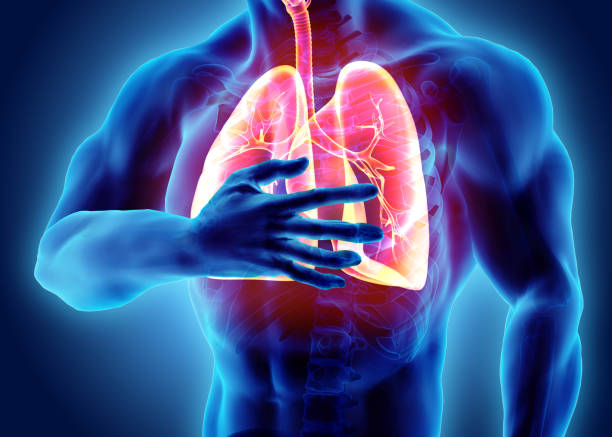
Acute Respiratory Distress Syndrome (तीव्र श्वसनतंत्र संबंधी कठिनाई) is a type of respiratory failure characterized by a rapid onset of widespread inflammation in the lungs. Symptoms include shortness of breath (dyspnea), rapid breathing (tachypnea), and bluish skin coloration (cyanosis). For those who survive, a decreased quality of life is common. Causes may include sepsis, pancreatitis, trauma, pneumonia, and aspiration. The primary treatment involves mechanical ventilation together with treatments directed at the underlying cause. Ventilation strategies include using low volumes and low pressures. If oxygenation remains insufficient, lung recruitment maneuvers and neuromuscular blockers may be used. Globally, ARDS (Acute Respiratory Distress Syndrome) affects more than 3 million people a year. The condition was first described in 1967.
Acute Respiratory Distress Syndrome Meaning
Acute Respiratory Distress Syndrome (ARDS) is a serious, sudden, and life-threatening condition in which the lungs become severely inflamed and filled with fluid, leading to severe breathing difficulties and low oxygen levels in the blood. Detailed Meaning: “Acute” means the condition develops suddenly and rapidly, “Respiratory” refers to the lungs and the process of breathing, “Distress” indicates difficulty or failure in normal breathing, and “Syndrome” means it’s a group of signs and symptoms that occur together.

Acute Respiratory Distress Syndrome Signs and Symptoms
ARDS symptoms usually appear within hours to a few days after the initial illness or injury that caused it. They reflect the lungs’ inability to supply enough oxygen to the body. Here are the early warning signs of Acute Respiratory Distress Syndrome (ARDS) — symptoms that may appear before the condition becomes critical and respiratory failure develops:
Early Warning Signs of ARDS
Increasing Shortness of Breath
-
The person starts to breathe faster and deeper than usual.
-
Initially mild, but gradually worsens even at rest.
Persistent Dry Cough
-
A non-productive cough (without mucus) develops due to irritation and inflammation in the lungs.
Mild Chest Discomfort or Tightness
-
A feeling of pressure or heaviness in the chest, especially during breathing or coughing.
Fatigue and Restlessness
-
The body feels tired and weak due to low oxygen delivery to tissues.
-
The person may feel uneasy or anxious without a clear reason.
Rapid Breathing (Tachypnea)
-
The breathing rate increases noticeably — more than 20 breaths per minute.
-
Sometimes, audible breathing or short gasps occur.
Subtle Cyanosis
-
Bluish tint on lips, fingertips, or nails, indicating early oxygen deficiency.
Low Oxygen Saturation
-
Measured by a pulse oximeter, oxygen saturation (SpO₂) may begin to drop below 94% even with mild symptoms.
Mild Confusion or Dizziness
-
The brain receives less oxygen, leading to lightheadedness or difficulty concentrating.
Low-Grade Fever or Signs of Infection
-
If ARDS is triggered by infection (like pneumonia or sepsis), fever, chills, or malaise may appear first.
When to Seek Medical Help?
Immediate medical attention is needed if a person:
-
Develops sudden or worsening shortness of breath
-
Shows bluish discoloration of skin or lips
-
Has oxygen saturation below 90%
-
Becomes confused or drowsy
Major Signs and Symptoms
Severe Shortness of Breath (Dyspnea)
-
The most prominent symptom.
-
Breathing becomes rapid, shallow, and labored.
-
The person may feel as if they can’t get enough air.
Rapid Breathing (Tachypnea)
-
The breathing rate increases as the body tries to take in more oxygen.
Low Blood Oxygen Levels (Hypoxemia)
-
Leads to bluish discoloration of lips, nails, or skin (cyanosis).
-
Oxygen levels remain low even when extra oxygen is given.
Cough
-
Usually dry, but may sometimes produce frothy sputum due to fluid in the lungs.
Chest Discomfort or Pain
-
A feeling of tightness or pressure in the chest, especially during breathing.
Confusion or Drowsiness
-
Due to a lack of oxygen supply to the brain, the person may feel disoriented, anxious, or tired.
Fatigue and Weakness
-
The body becomes exhausted from the effort to breathe.
Low Blood Pressure (Hypotension)
-
It can occur due to oxygen deprivation or related infection/sepsis.
Rapid Heart Rate (Tachycardia)
-
The heart beats faster to compensate for low oxygen levels.
In Severe Cases
-
Respiratory failure — when the lungs can no longer provide enough oxygen on their own.
-
Organ dysfunction — other organs (heart, kidneys, liver) may fail due to prolonged oxygen deprivation.
Acute Respiratory Distress Syndrome Causes
ARDS is not a disease by itself, but a severe reaction of the lungs to direct or indirect injury. It occurs when damage to the tiny air sacs (alveoli) causes fluid to leak into the lungs, preventing oxygen from entering the bloodstream effectively.
Direct Lung Injury Causes
These directly damage the lung tissue and air sacs.
Pneumonia
-
Bacterial, viral (including COVID-19), or fungal infections can inflame and fill the lungs with fluid.
Aspiration
-
Inhaling vomit, food, or stomach acid into the lungs can cause chemical injury and infection.
Inhalation of Harmful Substances
-
Breathing in smoke, toxic gases, or chemicals (e.g., chlorine, ammonia) can injure the lung lining.
Lung Contusion (Bruising)
-
Physical trauma to the chest from accidents, falls, or blasts can cause bleeding and inflammation in the lungs.
Near Drowning
-
Inhalation of water leads to fluid accumulation in the lungs.
Indirect Lung Injury Causes
These start elsewhere in the body but lead to lung inflammation and damage.
Sepsis (Blood Infection)
-
The most common cause of ARDS.
-
Widespread infection triggers an intense immune response that damages lung capillaries.
Severe Trauma or Burns
-
Injuries trigger systemic inflammation that harms the lungs even without direct lung injury.
Pancreatitis (Inflammation of the Pancreas)
-
Enzymes and inflammatory chemicals released from the pancreas can damage lung tissue.
Massive Blood Transfusions
-
Receiving large volumes of blood can trigger transfusion-related acute lung injury (TRALI), leading to ARDS.
Drug Overdose or Poisoning
-
Some drugs (like opioids, aspirin in high doses, or certain chemotherapy drugs) can cause or worsen ARDS.
Multiple Organ Failure or Shock
-
When circulation fails and organs receive insufficient oxygen, lungs are among the first to be affected.
Summary Table
| Category | Examples |
|---|---|
| Direct causes | Pneumonia, aspiration, inhalation injury, chest trauma, near-drowning |
| Indirect causes | Sepsis, severe trauma, pancreatitis, massive transfusion, drug overdose, shock |
Acute Respiratory Distress Syndrome Diagnosis
Diagnosis of Acute Respiratory Distress Syndrome (ARDS) involves clinical evaluation, imaging tests, and laboratory studies to confirm the presence of lung injury and to rule out other causes of breathing difficulty, such as heart failure or pneumonia alone. Here’s a clear and structured overview:
Medical History and Physical Examination
The doctor begins by:
-
Reviewing recent illnesses, injuries, or surgeries (e.g., sepsis, trauma, pneumonia).
-
Checking for rapid, labored breathing, low oxygen levels, and bluish skin (cyanosis).
-
Listening to the lungs with a stethoscope, crackling sounds (rales) may be heard due to fluid accumulation.
Blood Tests
Arterial Blood Gas (ABG) Test
-
Measures the oxygen (PaO₂) and carbon dioxide (PaCO₂) levels in the blood.
-
In ARDS, PaO₂ is very low despite oxygen therapy.
-
The PaO₂/FiO₂ ratio (ratio of blood oxygen to inspired oxygen) helps classify ARDS severity:
-
Mild: 200–300 mmHg
-
Moderate: 100–200 mmHg
-
Severe: <100 mmHg
-
Complete Blood Count (CBC) and Infection Markers
-
Detects infection (sepsis) or inflammation that might have triggered ARDS.
Kidney and Liver Function Tests
-
Evaluates how other organs are affected by oxygen deprivation.
Imaging Tests
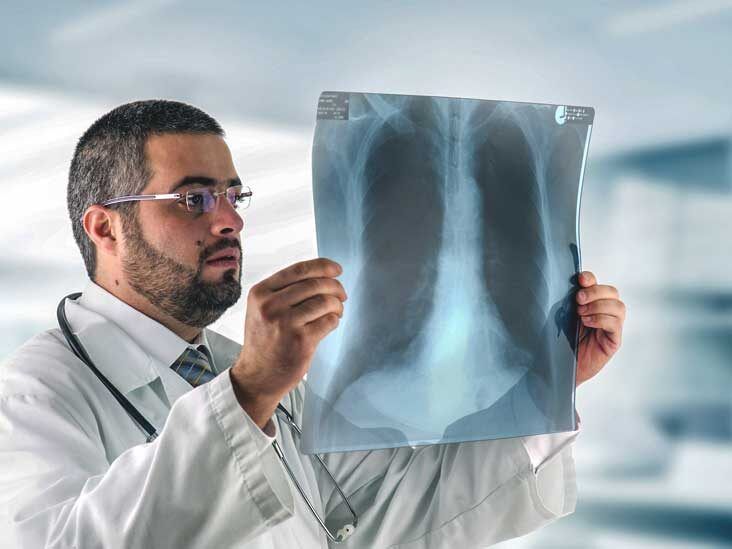
Chest X-ray
-
Reveals bilateral (both lungs) white, hazy areas — known as “ground-glass opacities” or fluid-filled alveoli.
-
These changes appear without signs of heart enlargement, helping differentiate them from heart failure.
CT (Computed Tomography) Scan
-
Gives a detailed image of lung structure, confirming diffuse inflammation, collapse, or scarring.
Echocardiogram (Heart Ultrasound)
-
Used to rule out heart failure or fluid buildup from cardiac causes.
-
In ARDS, the heart is usually normal, while the problem lies in the lung tissue.
Other Diagnostic Tests (if needed)
Bronchoscopy
-
A thin tube is inserted into the airways to collect samples and exclude infection, aspiration, or inhalation injury.
Sputum or Blood Cultures
-
Identify the underlying infection responsible for triggering ARDS (like bacterial or viral pneumonia).
Diagnostic Criteria (Berlin Definition of ARDS, 2012)
A confirmed ARDS diagnosis must meet all these criteria:
| Criteria | Description |
|---|---|
| Timing | Onset within 1 week of a known clinical insult or new/worsening respiratory symptoms |
| Chest Imaging | Bilateral opacities not fully explained by effusions, lobar/lung collapse, or nodules |
| Origin of Edema | Respiratory failure not fully explained by cardiac failure or fluid overload |
| Oxygenation (PaO₂/FiO₂) | ≤300 mmHg with PEEP (positive end-expiratory pressure) ≥5 cm H₂O |
In summary, ARDS Diagnosis = Clinical suspicion + Low blood oxygen + Bilateral lung infiltrates + Exclusion of heart failure.
Acute Respiratory Distress Syndrome Prevention
Prevention of Acute Respiratory Distress Syndrome (ARDS) focuses on reducing the risk factors and managing underlying conditions early, since ARDS often develops as a complication of another illness or injury rather than appearing on its own. Here’s a clear, structured explanation:
Prevent and Control Underlying Illnesses
Since ARDS often follows serious infections, trauma, or sepsis, preventing these is the first line of defense.
Early Treatment of Infections
-
Promptly treat pneumonia, sepsis, or urinary tract infections before they spread.
-
Use antibiotics or antivirals appropriately — avoid misuse to prevent drug resistance.
Vaccinations
-
Stay updated with vaccines that prevent respiratory infections:
-
Influenza vaccine (flu shot)
-
Pneumococcal vaccine
-
COVID-19 vaccine
-
Control Chronic Diseases
-
Keep conditions like diabetes, hypertension, or liver disease under control — these increase infection and inflammation risks.
Reduce Risk of Aspiration (Inhaling Stomach Contents or Fluids)
Aspiration can cause direct lung injury, leading to ARDS.
-
Avoid lying flat immediately after eating.
-
In hospitals, elevate the head of the bed (30–45°) for critically ill or tube-fed patients.
-
For unconscious patients, ensure airway protection (intubation if needed).
Prevent Lung Injury in Hospital Settings
ARDS sometimes develops in patients already admitted for other reasons.
Gentle Ventilation Strategies
-
Doctors use lung-protective ventilation (low tidal volume, low pressure) to avoid mechanical ventilation–induced damage.
Avoid Unnecessary Oxygen Overload
-
Use the lowest effective oxygen concentration to maintain normal oxygen levels, as excessive oxygen can irritate lung tissues.
Careful Fluid Management
-
Avoid excess intravenous fluids, which can leak into the lungs and worsen ARDS risk.
Prevent Sepsis (Major ARDS Trigger)
Sepsis is the most common indirect cause of ARDS.
-
Promptly identify and treat infections before they spread.
-
Maintain good hospital hygiene and sterile techniques during surgeries and catheter insertions.
-
Ensure early antibiotic therapy when sepsis is suspected.
Avoid Transfusion-Related Lung Injury (TRALI)
-
Use blood transfusions only when necessary.
-
Employ screened donors and plasma to reduce TRALI risk.
Lifestyle Measures to Protect Lung Health
-
Quit smoking and avoid exposure to pollutants, fumes, or toxic chemicals.
-
Maintain good nutrition, adequate hydration, and regular exercise to strengthen lung and immune function.
Prevent Accidents and Trauma
-
Wear seat belts, helmets, and follow safety precautions to reduce severe injuries that can indirectly lead to ARDS.
Summary
| Preventive Focus | Action |
|---|---|
| Infection control | Vaccination, early treatment |
| Lung protection | Avoid aspiration, ventilator injury |
| Fluid & oxygen balance | Careful hospital management |
| Sepsis prevention | Early detection & antibiotics |
| Healthy habits | No smoking, good nutrition, safety |
Acute Respiratory Distress Syndrome Treatments
Treatment of Acute Respiratory Distress Syndrome (ARDS) focuses on supporting breathing, maintaining oxygen levels, and treating the underlying cause (such as infection, trauma, or sepsis). There is no single cure, but timely and appropriate treatment greatly improves survival and recovery.
Hospital and Intensive Care Support
ARDS is a medical emergency, and patients are treated in an Intensive Care Unit (ICU) where they can be closely monitored.
Oxygen Therapy (To Improve Oxygen Levels)
Because ARDS causes dangerously low oxygen, increasing oxygen supply is the first and most critical step.
Supplemental Oxygen
-
In mild cases, oxygen may be given through a mask or nasal cannula.
Mechanical Ventilation
-
In moderate to severe ARDS, a ventilator (breathing machine) helps move air into and out of the lungs.
-
Doctors use a “lung-protective” ventilation strategy:
-
Low tidal volume: To prevent over-stretching of fragile alveoli.
-
PEEP (Positive End-Expiratory Pressure): Keeps alveoli open to improve oxygen exchange.
-
Low pressure: To reduce further lung injury.
-
Prone Positioning (Face-Down Lying)
-
Lying the patient face down (prone) improves oxygenation and allows better lung expansion.
-
Used especially in moderate to severe ARDS.
ECMO (Extracorporeal Membrane Oxygenation)
-
For critical cases unresponsive to ventilation.
-
A machine oxygenates the blood outside the body, giving the lungs time to rest and heal.
Treating the Underlying Cause
Since ARDS is a secondary condition, identifying and treating the trigger is vital.
| Cause | Treatment |
|---|---|
| Sepsis or pneumonia | Intravenous antibiotics |
| Pancreatitis | Supportive care and control of inflammation |
| Aspiration | Suctioning and antibiotics (if infection occurs) |
| Trauma or burns | Proper wound management and oxygen support |
Fluid Management
-
Careful balance is crucial — too much IV fluid worsens lung edema (fluid buildup).
-
Restrictive fluid therapy helps keep lungs dry and improves oxygenation.
-
Diuretics (like furosemide) may be used to remove excess fluid.
Medications (Supportive Role)
While no drug directly cures ARDS, several are used to manage symptoms and prevent complications:
Sedatives and Muscle Relaxants
-
Help synchronize breathing with the ventilator and reduce anxiety or agitation.
Corticosteroids (e.g., Dexamethasone)
-
Reduce lung inflammation and may improve recovery in some cases (especially COVID-19-related ARDS).
Pain Relievers
-
To keep patients comfortable during mechanical ventilation.
Blood Thinners (Anticoagulants)
-
Prevent blood clots, which are common due to immobility and inflammation.
Support for Other Organs
-
Nutrition: Tube feeding or IV nutrition to maintain energy and healing.
-
Kidney support: Dialysis if kidney function deteriorates.
-
Heart monitoring: To detect strain or secondary cardiac complications.
Long-Term Recovery and Rehabilitation
After surviving ARDS, patients may have weak lungs and muscles. Recovery focuses on:
-
Pulmonary rehabilitation: Breathing exercises to restore lung function.
-
Physical therapy: To regain muscle strength.
-
Psychological support: To manage anxiety, depression, or PTSD that may follow an ICU stay.
Summary Table
| Treatment Focus | Examples |
|---|---|
| Oxygenation support | Oxygen mask, ventilator, ECMO |
| Underlying cause | Antibiotics, trauma, or infection control |
| Lung protection | Low tidal volume ventilation, prone position |
| Fluid management | Restrictive fluids, diuretics |
| Medications | Steroids, sedatives, and pain relief |
| Rehabilitation | Breathing therapy, nutrition, and counseling |
Supportive Home Remedies for Acute Respiratory Distress Syndrome
Before listing supportive home remedies, it’s vital to understand that Acute Respiratory Distress Syndrome (ARDS) is a life-threatening medical emergency — it cannot be treated at home. Patients with ARDS must be admitted to a hospital (usually an ICU) for oxygen therapy or mechanical ventilation.
However, after discharge from the hospital or during recovery at home, certain home-based care and supportive remedies can help strengthen the lungs, speed healing, and prevent recurrence.
Practice Gentle Breathing Exercises
-
Pursed-lip breathing: Inhale slowly through the nose, exhale through pursed lips — helps control breath and improve oxygen exchange.
-
Diaphragmatic (belly) breathing: Strengthens respiratory muscles and expands lung capacity.
-
Guided breathing therapy from a physiotherapist can gradually improve endurance.
Eat a Lung-Healthy Diet
-
Focus on high-protein foods (lentils, eggs, fish, tofu) to repair damaged tissues.
-
Include antioxidant-rich foods, berries, turmeric, garlic, ginger, and green leafy vegetables to fight inflammation.
-
Stay hydrated (6–8 glasses of water daily) to keep mucus thin and lungs clear.
-
Limit processed foods, refined sugars, and alcohol, which can worsen inflammation.
Gradual Physical Rehabilitation
-
Start with light walking and simple stretching exercises once your doctor approves.
-
Build up activity slowly to strengthen the lungs and muscles weakened by prolonged illness or bed rest.
-
Avoid overexertion — stop if you feel breathless.
Stress Reduction and Mind–Body Practices
-
Practices like Yoga Nidra, gentle yoga, and meditation can reduce anxiety and promote healing.
-
Pranayama (breathing control) — especially Anulom-Vilom (alternate nostril breathing) — helps regulate breathing patterns once lungs are stable.
-
Always perform these under guidance and only after medical clearance.
Keep the Environment Lung-Friendly
-
Avoid smoke, air pollution, dust, strong fumes, or chemicals.
-
Keep indoor air clean, use air purifiers, or maintain good ventilation.
-
Avoid smoking or exposure to second-hand smoke completely.
Ensure Rest and Proper Sleep
-
Adequate rest is essential for lung tissue repair and immune recovery.
-
Elevate the head of your bed slightly to make breathing easier at night.
Adhere to Medical Follow-Ups and Medications
-
Take prescribed medications (like inhalers, corticosteroids, or blood thinners) exactly as directed.
-
Attend all follow-up appointments to monitor lung function, oxygen levels, and recovery progress.
-
Use a pulse oximeter at home to check oxygen saturation regularly.
Important Cautions
-
Do not self-medicate or use herbal remedies without consulting your doctor — some herbs can interact with prescribed drugs.
-
Seek immediate medical attention if you notice worsening breathlessness, chest pain, or oxygen saturation below 90%.
Summary
| Goal | Safe Home Approach |
|---|---|
| Strengthen lungs | Breathing exercises, pranayama (with doctor’s advice) |
| Support healing | High-protein, antioxidant-rich diet |
| Reduce stress | Yoga Nidra, meditation |
| Avoid irritants | Smoke-free, clean air environment |
| Monitor recovery | Regular SpO₂ checks, medical follow-ups |
Ayurveda Treatments for Acute Respiratory Distress Syndrome
Acute Respiratory Distress Syndrome (ARDS) is a critical, emergency condition — so it requires immediate modern (allopathic) intensive care such as oxygen therapy, ventilatory support, and treatment of the underlying cause (infection, sepsis, trauma, etc.). Ayurveda should not replace emergency hospital treatment, but it can play a supportive and restorative role during recovery and post-ARDS rehabilitation, to strengthen the lungs, balance the doshas, and boost immunity.
Ayurvedic Perspective on ARDS
In Ayurveda, ARDS symptoms resemble “Shvāsa Roga” (dyspnea disorders) and “Prāṇa Vāyu Vikṛti” — an imbalance of Vāta and Kapha doshas affecting the lungs (Prāṇavaha Srotas). It involves obstruction of air passages (Kapha) and irregular movement of air (Vāta), leading to breathing difficulty and low oxygen.
Thus, Ayurveda focuses on:
-
Reducing Kapha accumulation (phlegm, fluid, congestion)
-
Balancing Vāta to normalize respiration
-
Rejuvenating the lung tissue (Rasāyana therapy)
Ayurvedic Therapies (Post-Recovery Support)
These are used after medical stabilization, not during the acute ICU phase.
Swedana (Mild Herbal Steam Therapy)
-
Helps relieve chest congestion and supports Kapha elimination.
-
Use mild steam inhalation with herbs like Tulsi (Holy Basil), Vasa (Adhatoda), or Eucalyptus.
-
Avoid excessive heat — it should be gentle and soothing.
Nasya (Nasal Therapy)
-
Administering medicated oils (like Anu Taila or Shadbindu Taila) in the nostrils improves respiratory strength and pranic flow.
-
Should be performed only under the guidance of an Ayurvedic physician.
Abhyanga (Oil Massage)
-
Gentle full-body massage with warm sesame oil calms Vata and improves circulation.
-
Supports recovery, reduces stress, and enhances lung function indirectly.
Beneficial Ayurvedic Herbs for Lung Support
| Herb | Key Benefits |
|---|---|
| Tulsi (Holy Basil) | Natural expectorant, improves lung function, boosts immunity |
| Vasa (Adhatoda vasica) | Clears mucus, relieves cough, and supports bronchodilation |
| Pippali (Long Pepper) | Rejuvenates lungs, enhances metabolism, and removes Ama (toxins) |
| Guduchi (Tinospora cordifolia) | Strengthens immunity and reduces inflammation |
| Yashtimadhu (Licorice Root) | Soothes the respiratory tract and aids tissue healing |
| Haridra (Turmeric) | Anti-inflammatory and antioxidant, reduces lung inflammation |
| Pushkarmool (Inula racemosa) | Improves breathing capacity and cardiac-lung strength |
Always use these herbs in proper dosage and form (decoction, churnam, or tablet) under the supervision of a qualified Ayurvedic practitioner.
Ayurvedic Formulations Commonly Used (by Physician’s Advice Only)
| Formulation | Use |
|---|---|
| Sitopaladi Churna | Reduces Kapha and soothes the respiratory tract |
| Talisadi Churna | Relieves breathlessness and cough |
| Kantakari Avaleha | Improves airway function |
| Chyawanprash | Rasayana — rejuvenates lung tissue and enhances immunity |
| Dashamoola Kwath | Anti-inflammatory and strengthens the respiratory system |
| Trikatu Churna (Ginger, Pepper, Long Pepper) | Clears mucus and enhances Agni (digestion/metabolism) |
Ayurvedic Diet Recommendations
-
Eat light, warm, freshly cooked foods to balance Vata and Kapha.
-
Include:
-
Soups made from moong dal, ginger, pepper, and garlic.
-
Steamed vegetables and light grains (like rice, barley).
-
-
Avoid:
-
Cold, oily, or heavy foods (ice cream, fried foods, cheese).
-
Processed and refrigerated foods.
-
Golden milk (Haldi Doodh) with turmeric and black pepper is beneficial for reducing inflammation.
Yoga and Pranayama (After Recovery)
-
Anulom Vilom (Alternate Nostril Breathing): Balances Vata and calms the nervous system.
-
Bhramari Pranayama (Humming Bee Breath): Improves oxygenation and reduces stress.
-
Gentle Yoga postures: Bhujangasana (Cobra Pose), Matsyasana (Fish Pose), and Shavasana — improve lung expansion.
-
Avoid any breath-holding or forceful exercises during early recovery.
Important Precautions
-
ARDS cannot be managed by Ayurveda alone — it requires immediate hospital care in the acute stage.
-
Ayurvedic treatments should be started only after recovery, as a rehabilitative and supportive system.
-
Avoid self-medication; all herbal formulations should be taken under professional supervision.
Summary
| Goal | Ayurvedic Approach |
|---|---|
| Acute phase | Emergency hospital care (not Ayurvedic) |
| Post-recovery | Rasayana therapy to rejuvenate the lungs |
| Herbs | Tulsi, Vasa, Pippali, Guduchi, Licorice, Turmeric |
| Therapies | Mild steam, Nasya, Abhyanga (with guidance) |
| Diet | Warm, light, Kapha-Vata balancing foods |
| Yoga/Pranayama | Gentle, restorative breathing practices |
Conclusion
Frequently Asked Questions
Here are 10 Frequently Asked Questions (FAQs) with clear, concise answers about Acute Respiratory Distress Syndrome (ARDS):
1. What is Acute Respiratory Distress Syndrome (ARDS)?
ARDS is a life-threatening lung condition in which the tiny air sacs (alveoli) in the lungs become damaged and filled with fluid, preventing oxygen from reaching the bloodstream. It causes severe breathing difficulty and requires immediate medical care, usually in an intensive care unit.
2. What causes ARDS?
ARDS is caused by direct or indirect injury to the lungs. Common causes include severe pneumonia, sepsis (blood infection), trauma, inhalation of harmful substances, aspiration of vomit, pancreatitis, or massive blood transfusions.
3. What are the early signs and symptoms of ARDS?
Early symptoms include shortness of breath, rapid breathing, dry cough, chest discomfort, fatigue, and low oxygen levels. As it worsens, patients may develop bluish lips or skin (cyanosis) and severe respiratory distress.
4. How is ARDS diagnosed?
Doctors diagnose ARDS using:
-
Chest X-ray or CT scan: showing fluid-filled lungs.
-
Blood tests: revealing low oxygen levels.
-
Echocardiogram: to rule out heart-related causes.
-
The Berlin Criteria (2012) are used to confirm ARDS based on timing, imaging, oxygenation levels, and cause.
5. How is ARDS treated?
Treatment aims to maintain oxygen levels and treat the underlying cause:
-
Oxygen therapy or mechanical ventilation.
-
Antibiotics for infection or sepsis.
-
Careful fluid management to prevent lung swelling.
-
Medications like corticosteroids and anticoagulants.
-
In severe cases, ECMO (Extracorporeal Membrane Oxygenation) may be used.
6. Can ARDS be prevented?
Yes, partially. Prevention involves:
-
Prompt treatment of infections like pneumonia or sepsis.
-
Vaccination (against flu, COVID-19, and pneumococcal diseases).
-
Avoiding smoking and pollutants.
-
Safe medical practices to prevent aspiration or transfusion-related injury.
7. Is ARDS contagious?
No. ARDS itself is not contagious. However, some infections causing ARDS (like viral pneumonia or COVID-19) can spread from person to person.
8. What are the complications of ARDS?
Possible complications include:
-
Lung scarring (fibrosis)
-
Pneumothorax (collapsed lung)
-
Blood clots
-
Organ failure (kidneys, heart, liver)
-
Long-term breathing difficulty or fatigue
9. Can someone fully recover from ARDS?
Yes. Many patients recover completely within 6 to 12 months, though recovery may be slow. Some may experience mild shortness of breath, fatigue, or anxiety for several months after discharge. Rehabilitation and breathing exercises help regain strength.
10. What lifestyle changes help recovery after ARDS?
-
Follow-up care: Regular lung check-ups.
-
Balanced diet: Rich in antioxidants and proteins.
-
Breathing exercises and yoga: To strengthen the lungs.
-
Avoid smoking and pollution exposure.
-
Adequate rest and gradual physical activity.
Reference: https://en.wikipedia.org/wiki/Acute_respiratory_distress_syndrome