
Strep throat (गले का संक्रमण) is an infection in your throat and tonsils caused by a type of bacteria called group A Streptococcus (group A strep). Strep throat causes severe inflammation and a sore throat. A healthcare provider can typically diagnose the condition with a rapid strep test or a throat culture. Treatment usually includes antibiotics.
Strep Throat: Causes, Symptoms, Treatment, Prevention & Recovery Guide
Strep throat is a common bacterial infection that affects millions of people every year, especially children and teenagers. While viruses cause many sore throats, it is specifically caused by bacteria and often requires medical treatment with antibiotics. Early diagnosis and proper care are essential to prevent complications and ensure faster recovery.
This comprehensive guide explains everything you need to know about it, including its causes, symptoms, diagnosis, treatment options, home remedies, prevention tips, and recovery timeline.
What Is Strep Throat?
It is a bacterial infection of the throat and tonsils caused by Group A Streptococcus bacteria, also known as Streptococcus pyogenes. It causes inflammation, pain, redness, and difficulty swallowing.
The infection spreads easily through respiratory droplets when an infected person coughs, sneezes, or shares utensils and personal items.
Although strep throat can affect people of all ages, it is most common among school-aged children between 5 and 15 years old.

Causes of Strep Throat
It occurs due to infection with the Group A Streptococcus bacteria. These bacteria are highly contagious and can spread quickly in crowded places such as schools, offices, and daycare centers.
Common Causes and Transmission Methods
1. Respiratory Droplets
When an infected person coughs or sneezes, tiny droplets carrying bacteria can enter the air and infect others nearby.
2. Direct Contact
Touching contaminated surfaces such as doorknobs, phones, or utensils and then touching the mouth or nose can spread the infection.
3. Sharing Personal Items
Sharing cups, spoons, towels, or toothbrushes with an infected person increases the risk.
4. Weak Immune System
People with weakened immunity may be more vulnerable to bacterial infections, including strep throat.
5. Seasonal Factors
Strep throat infections are more common during late fall, winter, and early spring.
Symptoms of Strep Throat
Symptoms usually appear suddenly and can become severe within a short period.
Common Symptoms
- Severe sore throat
- Pain while swallowing
- Fever
- Red and swollen tonsils
- White patches or pus on the tonsils
- Swollen lymph nodes in the neck
- Headache
- Fatigue
- Loss of appetite
- Body aches
Symptoms: More Common in Children

Difference Between Strep Throat and Viral Sore Throat
Many people confuse it with a regular viral sore throat. However, there are important differences.
| Feature | Strep Throat | Viral Sore Throat |
|---|---|---|
| Cause | Bacteria | Virus |
| Fever | Common | Mild or absent |
| Cough | Usually absent | Common |
| White patches on the tonsils | Common | Rare |
| Runny nose | Rare | Common |
| Antibiotics needed | Yes | No |
| Contagious | Yes | Yes |
If symptoms include cough, runny nose, and sneezing, the sore throat is more likely viral.
Risk Factors for Strep Throat
Certain factors increase the chances of developing strep throat.
1. Age
Children and teenagers are at higher risk.
2. Crowded Environments
Schools, daycare centers, offices, and public transport increase exposure.
3. Close Contact With Infected People
Family members often spread the infection to each other.
4. Weak Immunity
Chronic illness or poor immunity can increase susceptibility.
How Strep Throat Is Diagnosed
Doctors diagnose it through physical examination and laboratory testing.
Physical Examination
The doctor may check for:
- Redness in the throat
- Swollen tonsils
- White patches
- Swollen lymph nodes
- Fever
Rapid Strep Test
A throat swab is taken to detect streptococcal bacteria. Results are usually available within minutes.
Throat Culture
If the rapid test is negative but symptoms strongly suggest strep throat, a throat culture may be recommended.

Treatment for Strep Throat
Proper treatment helps reduce symptoms, prevent complications, and stop the spread of infection.
1. Antibiotics
Doctors commonly prescribe antibiotics such as:
- Penicillin
- Amoxicillin
- Cephalexin
- Azithromycin (for penicillin allergy)
Benefits of Antibiotics
- Reduce infection duration
- Prevent complications
- Decrease contagiousness
- Relieve symptoms faster
It is important to complete the full course of antibiotics even if symptoms improve early.
2. Pain Relief Medications
Over-the-counter medications may help relieve pain and fever:
- Paracetamol (acetaminophen)
- Ibuprofen
Avoid giving aspirin to children due to the risk of Reye’s syndrome.
3. Hydration
Drinking plenty of fluids helps prevent dehydration and soothes the throat.
Best options include:
- Warm water
- Herbal tea
- Soup
- Electrolyte drinks
4. Rest
Adequate rest supports immune function and speeds up recovery.
Ayurveda Treatments for Strep Throat
Ayurveda focuses on balancing the body’s natural healing system and reducing throat inflammation caused by infection. While Ayurvedic remedies may help relieve symptoms such as throat pain, irritation, and cough, they should be used alongside medical treatment, especially in confirmed bacterial infections like strep throat.
1. Turmeric Milk (Haldi Doodh)
Turmeric contains natural anti-inflammatory and antimicrobial properties that may help soothe throat irritation and support immunity. Drinking warm turmeric milk before bedtime can provide relief from throat discomfort and inflammation.
2. Salt Water Gargle With Turmeric
Gargling with warm water mixed with salt and a pinch of turmeric may help reduce throat swelling and bacterial buildup. This remedy can also ease pain and improve throat hygiene.
3. Mulethi (Licorice Root)
Mulethi is commonly used in Ayurveda to soothe sore throats and reduce irritation. Chewing small pieces of licorice root or drinking mulethi tea may help calm inflammation and dryness in the throat.
4. Tulsi (Holy Basil)
Tulsi leaves are known for their antibacterial and immune-supporting properties. Drinking warm tulsi tea or chewing fresh tulsi leaves may help reduce throat infection symptoms naturally.
5. Honey and Ginger
A mixture of honey and ginger is widely used in Ayurveda for throat infections and cough relief. Ginger may help reduce inflammation, while honey can coat and soothe the throat.
Avoid giving honey to children under 1 year of age.
6. Steam Inhalation
Steam inhalation with plain water or Ayurvedic herbs such as tulsi or eucalyptus may help relieve throat irritation, congestion, and dryness. It can also make breathing more comfortable.
7. Herbal Kadha
Ayurvedic herbal decoctions made with tulsi, ginger, black pepper, cinnamon, and cloves are often used to support immunity and ease throat discomfort. Drinking warm kadha in moderation may help during recovery.
8. Ayurvedic Herbs Commonly Recommended
Some Ayurvedic practitioners may recommend herbs such as:
- Yashtimadhu (Licorice)
- Guduchi
- Ashwagandha
- Sitopaladi Churna
- Trikatu
These herbs are traditionally used to support immunity and respiratory health. However, they should only be taken under professional Ayurvedic guidance.
Important Precautions
- Strep throat is a bacterial infection that may require antibiotics prescribed by a doctor.
- Avoid self-medicating with herbal supplements without professional advice.
- Seek immediate medical care if symptoms become severe, breathing becomes difficult, or fever remains high.
- Pregnant women, children, and individuals with chronic illnesses should consult a healthcare provider before using Ayurvedic remedies.
Final Note
Ayurvedic treatments may provide supportive relief for throat pain, inflammation, and irritation associated with strep throat. Combining proper medical treatment with healthy lifestyle habits, hydration, rest, and safe Ayurvedic practices may help improve comfort and recovery naturally.
Home Remedies for Strep Throat
Home remedies can help ease discomfort alongside medical treatment.
1. Salt Water Gargle
Gargling with warm salt water may reduce swelling and throat irritation.
How to Use
Mix half a teaspoon of salt in warm water and gargle several times daily.
2. Honey
Honey may soothe throat irritation and reduce coughing.
Avoid honey in children under 1 year old.
3. Warm Herbal Tea
Herbal teas with ginger, chamomile, or peppermint can provide relief.
4. Humidifier
Using a humidifier adds moisture to the air and reduces throat dryness.
5. Soft Foods
Choose easy-to-swallow foods such as:
- Yogurt
- Oatmeal
- Soup
- Mashed potatoes
- Smoothies

Possible Complications of Untreated Strep Throat
Untreated strep throat can lead to serious health problems.
1. Rheumatic Fever
A rare but serious inflammatory disease that can affect the heart, joints, and brain.
2. Kidney Inflammation
Known as post-streptococcal glomerulonephritis, this condition affects kidney function.
3. Ear Infection
The infection may spread to the ears.
4. Sinus Infection
Bacteria can spread into the sinuses.
5. Tonsil Abscess
A painful pocket of pus may develop near the tonsils.
How Long Does Strep Throat Last?
With antibiotics, symptoms often improve within:
- 24 to 48 hours
Without treatment, symptoms may last:
- 7 to 10 days or longer
People are generally no longer contagious after:
- 24 hours of antibiotic treatment
Prevention Tips for Strep Throat
Preventing infection is essential, especially in schools and households.
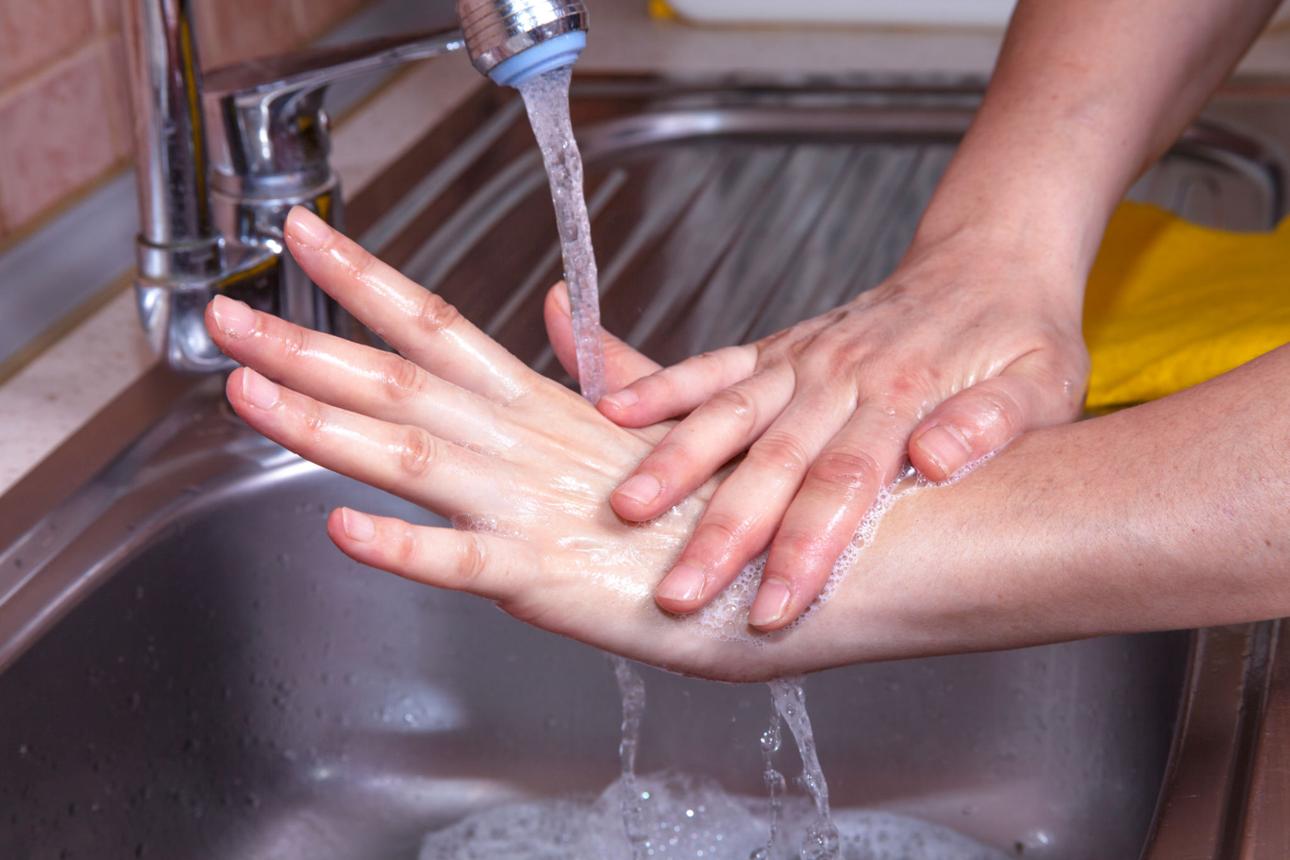
1. Wash Hands Frequently
Regular handwashing reduces bacterial spread.
2. Avoid Sharing Personal Items
Do not share utensils, towels, or toothbrushes.
3. Cover Mouth While Sneezing or Coughing
Use tissues or the elbow to prevent droplet spread.
4. Disinfect Common Surfaces
Clean frequently touched surfaces regularly.
5. Stay Home When Sick
Avoid close contact with others until no longer contagious.

Strep Throat in Children
Children are especially vulnerable because they are frequently exposed to germs in schools and daycare environments.
Warning Signs in Children
- Sudden fever
- Refusal to eat
- Irritability
- Swollen neck glands
- White patches on the tonsils
Parents should consult a doctor if symptoms worsen or breathing difficulties occur.
Strep Throat During Pregnancy
Pregnant women can develop it like anyone else. Prompt medical care is important because high fever and untreated infections may affect maternal health.
Doctors usually prescribe pregnancy-safe antibiotics when needed.
Foods to Eat During Strep Throat
Eating soothing and nutritious foods can help with recovery.
Recommended Foods
- Warm soups
- Broth
- Yogurt
- Scrambled eggs
- Oatmeal
- Bananas
- Smoothies
Foods to Avoid
- Spicy foods
- Acidic foods
- Hard snacks
- Fried foods
- Very hot beverages
When to See a Doctor
Seek medical attention if you experience:
- Severe throat pain
- Difficulty swallowing
- High fever
- Rash
- Breathing difficulty
- Symptoms lasting more than 48 hours
- Recurrent throat infections
Immediate treatment reduces the risk of complications.
Conclusion
Strep throat is a highly contagious bacterial infection that can cause significant throat pain, fever, and discomfort if left untreated. Although it is common among children and teenagers, people of all ages can develop the condition. Recognizing the symptoms early and seeking proper medical care are important steps toward preventing complications such as rheumatic fever, kidney inflammation, and tonsillar abscesses. With timely diagnosis and the right antibiotic treatment, most individuals recover quickly and safely.
Maintaining good hygiene practices plays a major role in preventing the spread. Simple habits such as frequent handwashing, avoiding sharing personal items, covering your mouth when coughing or sneezing, and staying home when ill can significantly reduce transmission. In addition to medical treatment, supportive home remedies such as warm fluids, salt water gargles, rest, and soft foods can help relieve discomfort and speed recovery.
Overall, it is a manageable condition when treated properly. Awareness about its symptoms, causes, and prevention methods can help individuals protect themselves and their families from infection. If symptoms become severe or persist for several days, consulting a healthcare professional is essential for accurate diagnosis and effective treatment.
Frequently Asked Questions (FAQs)
Is strep throat contagious?
Yes, it is highly contagious and spreads through respiratory droplets when an infected person coughs, sneezes, or talks. It can also spread by sharing utensils, towels, or touching contaminated surfaces.
Can strep throat go away on its own?
Some mild cases may improve naturally, but medical treatment is usually recommended to prevent complications. Antibiotics help shorten the illness and reduce the risk of spreading the infection.
How long is strep throat contagious?
A person with this problem is usually contagious until 24 hours after starting antibiotics. Without treatment, the infection may remain contagious for several days or even weeks.
Can adults get strep throat?
Yes, adults can also develop it, although it is more common in children and teenagers. Adults who work around children may have a higher risk of infection.
Is strep throat dangerous?
It is generally treatable, but untreated infections can sometimes lead to serious complications such as rheumatic fever, kidney inflammation, or ear infections. Early treatment greatly reduces these risks.
Can strep throat return after treatment?
Yes, reinfection is possible if a person is exposed again to streptococcal bacteria. Poor hygiene practices or close contact with infected individuals may increase the chance of recurrence.
What foods are best during strep throat?
Soft and soothing foods such as soup, yogurt, oatmeal, smoothies, and mashed potatoes are easier to swallow and help reduce throat irritation. Warm fluids may also provide comfort.
When should I see a doctor for strep throat?
You should consult a doctor if you have severe throat pain, high fever, difficulty swallowing, breathing problems, or symptoms lasting longer than a few days. Medical attention is important to avoid complications.
Can children safely attend school with strep throat?
Children should stay home until they have taken antibiotics for at least 24 hours and their fever has resolved. This helps prevent spreading the infection to classmates and teachers.
How can I prevent strep throat naturally?
Maintaining good hygiene is the best prevention method. Frequent handwashing, avoiding shared personal items, covering coughs and sneezes, and disinfecting surfaces can reduce infection risk.
Reference: https://my.clevelandclinic.org/health/diseases/4602-strep-throat