
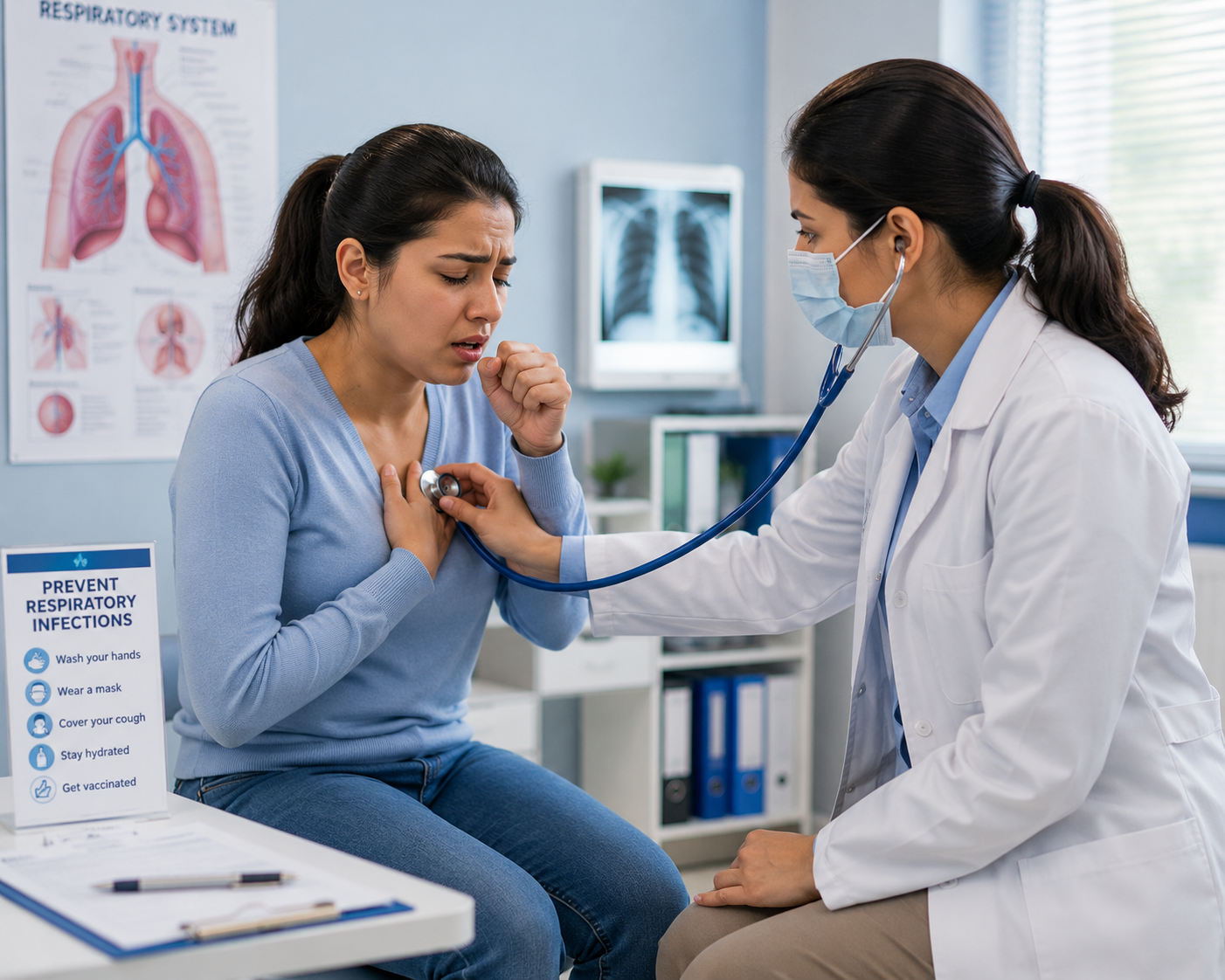
An infection (संक्रमण) is the invasion of tissues by pathogens, their multiplication, and the reaction of host tissues to the infectious agent and the toxins they produce. An infectious disease, also known as a transmissible disease or communicable disease, is an illness resulting from an infection.
Infections can be caused by a wide range of pathogens, most prominently bacteria and viruses. Hosts can fight infections using their immune systems. Mammalian hosts react to infections with an innate response, often involving inflammation, followed by an adaptive response. Treatment for infections depends on the type of pathogen involved.
Infection: Causes, Types, Symptoms, Prevention, and Treatment Guide
Infections are among the most common health problems affecting people worldwide. From a mild cold to severe illnesses like pneumonia, tuberculosis, or COVID-19, infections can impact anyone regardless of age. Understanding how infections occur, their symptoms, treatment options, and prevention methods can help you stay healthier and reduce complications.
According to the World Health Organization (WHO) and the Centers for Disease Control and Prevention (CDC), infections occur when harmful microorganisms enter the body, multiply, and trigger the immune system.
What Is an Infection?
An infection happens when harmful microorganisms—commonly called pathogens—invade the body and begin multiplying. These pathogens can damage tissues, produce toxins, and cause illness.
The body’s immune system usually fights off germs, but sometimes the infection becomes strong enough to produce symptoms and complications.
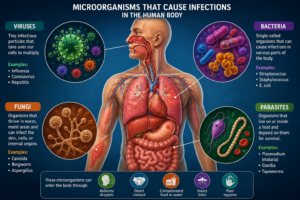
Common infectious agents include:
- Viruses
- Bacteria
- Fungi
- Parasites
Types of Infections
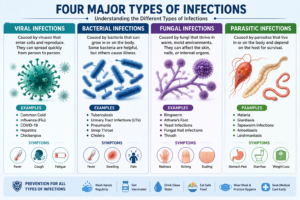
Viral Infections
Viruses are tiny infectious agents that need living cells to survive and reproduce.
Common viral infections include:
- Common cold
- Influenza (flu)
- COVID-19
- Hepatitis
- Chickenpox
Symptoms often include fever, cough, fatigue, sore throat, and body aches.
Bacterial Infections
Bacteria are microscopic organisms. While many bacteria are harmless or beneficial, some can cause disease.
Examples include:
- Tuberculosis
- Urinary tract infections (UTIs)
- Pneumonia
- Strep throat
- Cholera
Many bacterial infections are treated using antibiotics.
Fungal Infections
Fungi thrive in warm and moist environments and commonly affect the skin, nails, or lungs.
Examples include:
- Ringworm
- Athlete’s foot
- Yeast infections
- Fungal nail infections
People with weak immune systems are more vulnerable to severe fungal infections.
Parasitic Infections
Parasites survive by living inside another organism.
Common parasitic infections include:
- Malaria
- Giardiasis
- Tapeworm infections
- Amoebiasis
These infections are often spread through contaminated food, water, or insect bites.
Common Causes of Infection
Infections can spread in many ways. Some of the most common causes include:
Direct Contact
Touching an infected person, shaking hands, or physical contact can spread germs.
Airborne Transmission
Coughing, sneezing, or talking can release droplets containing viruses or bacteria.
Respiratory illnesses such as influenza and COVID-19 spread this way.
Contaminated Food and Water
Eating contaminated food or drinking unsafe water may cause gastrointestinal infections.
Insect Bites
Mosquitoes, ticks, and fleas can transmit infections like malaria and dengue fever.
Poor Hygiene
Not washing hands properly increases the risk of infections significantly.
Symptoms of Infection
Symptoms vary depending on the type and severity of the infection.
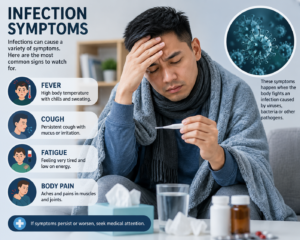
General Symptoms Include:
- Fever
- Chills
- Fatigue
- Weakness
- Body aches
- Headache
- Swollen lymph nodes
Respiratory Infection Symptoms
- Cough
- Sore throat
- Runny nose
- Difficulty breathing
- Chest pain
Skin Infection Symptoms
- Redness
- Swelling
- Pain
- Warmth
- Pus formation
Digestive Infection Symptoms
- Diarrhea
- Vomiting
- Nausea
- Abdominal cramps
Urinary Tract Infection Symptoms
- Burning during urination
- Frequent urination
- Pelvic pain
- Cloudy urine
How Infections Spread
Understanding transmission helps prevent infections effectively.
Common Modes of Spread
| Mode of Spread | Examples |
|---|---|
| Airborne | Flu, COVID-19 |
| Contact | Ringworm, cold sores |
| Foodborne | Salmonella |
| Waterborne | Cholera |
| Bloodborne | Hepatitis B |
| Vector-borne | Malaria, dengue |
Risk Factors for Infection
Certain conditions increase the likelihood of developing infections.
Major Risk Factors
- Weak immune system
- Diabetes
- Cancer treatment
- Poor nutrition
- Smoking
- Chronic diseases
- Old age
- Pregnancy
- Poor sanitation
Common Infections Around the World
Common Cold
Usually caused by rhinoviruses. Symptoms include sneezing, sore throat, and congestion.
Influenza (Flu)
A contagious respiratory illness causing fever, cough, and muscle pain.
COVID-19
A viral respiratory infection caused by SARS-CoV-2.
Tuberculosis (TB)
A serious bacterial infection mainly affecting the lungs.
Urinary Tract Infections (UTIs)
Common especially among women.
Fungal Skin Infections
Common in humid climates and warm environments.
Dengue Fever
Spread through mosquito bites and is common in tropical regions.
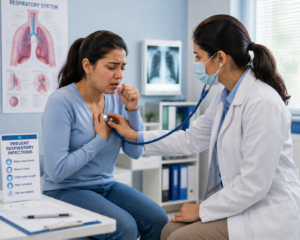
Diagnosis of Infection
Doctors use several methods to diagnose infections.
Physical Examination
The doctor checks symptoms like fever, swelling, rash, or breathing difficulty.
Laboratory Tests
These may include:
- Blood tests
- Urine tests
- Stool tests
- Swab cultures
Imaging Tests
X-rays or CT scans help diagnose lung infections or deep tissue infections.
Molecular Tests
PCR tests are commonly used for viral infections like COVID-19.
Treatment of Infections
Treatment depends on the type of pathogen causing the infection.
Antibiotics
Used for bacterial infections only.
Improper antibiotic use can contribute to antibiotic resistance.
Antiviral Medications
Used for certain viral infections such as influenza, HIV, or hepatitis.
Antifungal Medicines
Help treat fungal infections affecting skin, nails, or internal organs.
Antiparasitic Drugs
Used for infections caused by parasites.
Supportive Care
Includes:
- Rest
- Hydration
- Nutritious food
- Fever management
Importance of Antibiotic Resistance
Antibiotic resistance occurs when bacteria no longer respond to antibiotics.
This is becoming a serious global health issue due to:
- Overuse of antibiotics
- Incomplete treatment courses
- Misuse of medications
Drug-resistant infections are harder to treat and may become life-threatening.
How to Prevent Infection
Preventive measures are the best defense against infectious diseases.
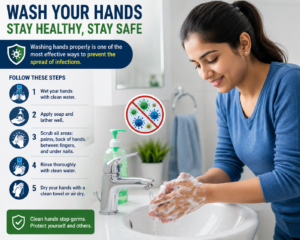
Wash Hands Frequently
Hand hygiene remains one of the most effective preventive measures.
Get Vaccinated
Vaccines protect against many serious infections such as flu, hepatitis, and COVID-19.
Practice Respiratory Hygiene
- Cover coughs and sneezes
- Wear masks when needed
- Avoid close contact with sick individuals
Eat Safe Food
- Wash fruits and vegetables
- Cook food thoroughly
- Drink clean water
Maintain Personal Hygiene
Regular bathing and clean clothing reduce infection risk.
Avoid Sharing Personal Items
Do not share towels, razors, toothbrushes, or utensils.
Strengthen Immunity
Healthy lifestyle habits support the immune system.
Helpful Habits
- Regular exercise
- Balanced diet
- Adequate sleep
- Stress management
Infection Prevention in Hospitals
Healthcare settings require strict infection control measures.
Standard Precautions Include:
- Hand hygiene
- Sterilization
- Use of gloves and masks
- Safe injections
- Surface disinfection
Complications of Infection
Untreated infections may lead to serious complications.
Possible Complications
- Organ damage
- Sepsis
- Pneumonia
- Kidney failure
- Brain infections
- Chronic inflammation
Some infections may even increase cancer risk.
Infection and Immunity
The immune system protects the body against harmful microorganisms.
Types of Immunity
Natural Immunity
Develops after recovering from an infection.
Vaccine-Induced Immunity
Develops after vaccination.
Passive Immunity
Occurs when antibodies are transferred from another source.
Infections in Children
Children are more vulnerable because their immune systems are still developing.
Common Childhood Infections
- Ear infections
- Measles
- Chickenpox
- Flu
- Hand-foot-and-mouth disease
Vaccination and hygiene are essential for prevention.
Infections in Older Adults
Older adults face higher risks due to weaker immunity and chronic illnesses.
Common infections include:
- Pneumonia
- UTIs
- Skin infections
- Respiratory infections
When Should You See a Doctor?
Seek medical attention if you experience:
- High fever
- Difficulty breathing
- Severe dehydration
- Persistent vomiting
- Confusion
- Chest pain
- Symptoms lasting more than a few days
Early diagnosis often prevents complications.

Home Care Tips During Infection
While recovering from an infection:
- Drink plenty of fluids
- Rest adequately
- Eat healthy foods
- Avoid smoking and alcohol
- Follow prescribed medications carefully
Never self-medicate with antibiotics without medical advice.
Natural and Lifestyle Support for Infection Prevention
Certain healthy habits may support immunity naturally.
Helpful Lifestyle Measures
- Eating fruits and vegetables rich in vitamins
- Staying hydrated
- Practicing yoga and meditation
- Sleeping 7–8 hours daily
Some people also use traditional wellness practices and herbal support, but medical treatment should never be replaced for serious infections.
Global Impact of Infectious Diseases
Infectious diseases continue to affect millions globally every year.
Recent outbreaks like COVID-19 highlighted the importance of:
- Public health systems
- Vaccination programs
- Hygiene awareness
- Early diagnosis
Conclusion
Infections are a major part of global healthcare concerns, ranging from mild illnesses to life-threatening diseases. Understanding how infections occur, recognizing symptoms early, and following preventive practices can greatly reduce health risks.
Simple habits such as handwashing, vaccination, proper hygiene, safe food handling, and maintaining strong immunity play an essential role in preventing infections. Timely diagnosis and appropriate treatment are equally important for avoiding complications and protecting public health.
Staying informed and taking preventive measures can help individuals and communities remain safer and healthier in everyday life.
Frequently Asked Questions (FAQs)
1. What is an infection?
An infection occurs when harmful microorganisms like bacteria, viruses, fungi, or parasites enter the body and multiply, causing illness.
2. What are the common symptoms of infection?
Common symptoms include fever, fatigue, cough, pain, swelling, diarrhea, and weakness.
3. Can infections spread from person to person?
Yes. Many infections spread through direct contact, respiratory droplets, contaminated food or water, or insect bites.
4. Are antibiotics effective against viral infections?
No. Antibiotics only work against bacterial infections, not viruses.
5. How can infections be prevented?
Good hygiene, vaccination, safe food practices, and handwashing are among the best preventive methods.
6. What is antibiotic resistance?
Antibiotic resistance happens when bacteria no longer respond to antibiotics, making infections harder to treat.
7. When should I seek medical help for an infection?
Consult a doctor if symptoms become severe or persistent, or if they include breathing difficulty, high fever, or dehydration.
8. Can a strong immune system help prevent infections?
Yes. Healthy lifestyle habits help strengthen immunity and reduce the risk of infection.
Reference: https://en.wikipedia.org/wiki/Infection
Comments (3)