
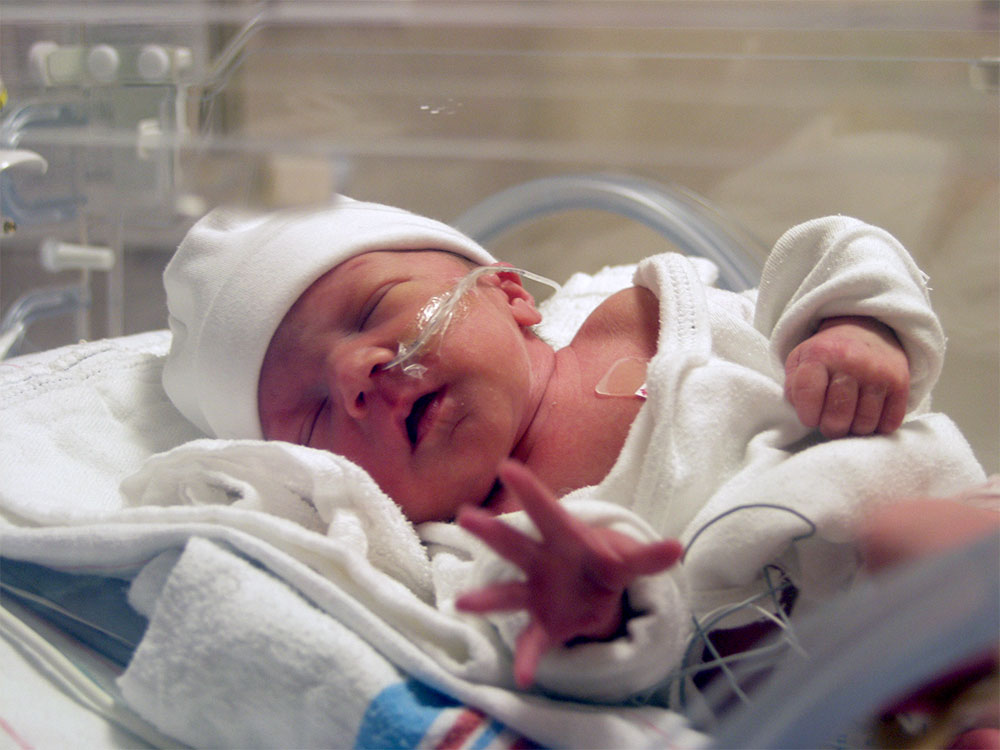
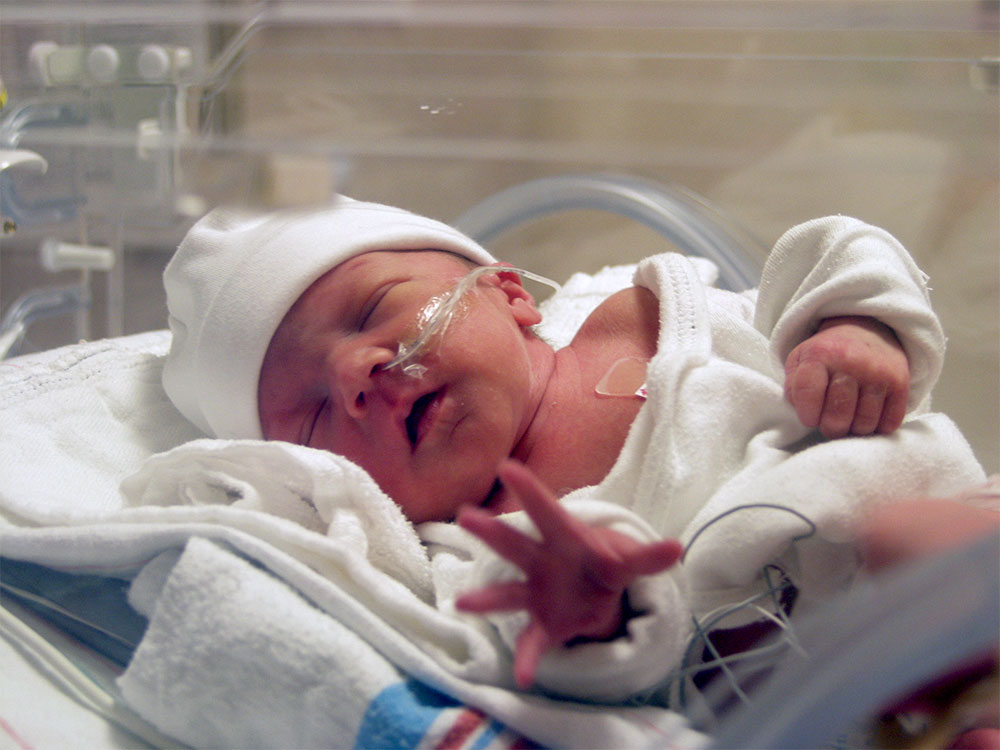
Preterm birth (समय से पहले जन्म), also known as premature birth, is the birth of a baby at fewer than 37 weeks of gestational age, as opposed to full-term delivery at approximately 40 weeks. Extreme preterm is less than 28 weeks, very early preterm birth is between 28 and 32 weeks, early preterm birth occurs between 32 and 34 weeks, and late preterm birth is between 34 and 36 weeks’ gestation. These babies are also known as premature babies. Symptoms of preterm labor include uterine contractions that occur more often than every ten minutes and/or the leaking of fluid from the vagina before 37 weeks. Premature infants are at greater risk for cerebral palsy, delays in development, hearing problems, and problems with their vision. The earlier a baby is born, the greater these risks will be.
This detailed guide (also explained in the video attached herewith) explores preterm birth from both modern medical and traditional Ayurvedic perspectives, offering a holistic understanding of the condition.
Meaning of Preterm Birth
Preterm birth refers to the delivery of a baby before 37 completed weeks of pregnancy. A full-term pregnancy typically lasts about 40 weeks.
Types of Preterm Birth
Preterm births are classified based on gestational age:
-
Late preterm: 34 to 36 weeks
-
Moderately preterm: 32 to 34 weeks
-
Very preterm: Less than 32 weeks
-
Extremely preterm: Less than 28 weeks
The earlier a baby is born, the higher the risk of health complications.
Risk Factors for Preterm Birth
Several factors can increase the likelihood of preterm labor. These risk factors may be medical, lifestyle-related, or socio-environmental.
Maternal Risk Factors
-
Previous preterm birth
-
Multiple pregnancies (twins, triplets)
-
Short interval between pregnancies
-
Maternal age below 17 or above 35
-
Chronic conditions (diabetes, hypertension, thyroid disorders)
-
Infections of the urinary or reproductive tract
-
Poor maternal nutrition
Lifestyle & Environmental Factors
-
Smoking or tobacco use
-
Alcohol or substance abuse
-
High stress or depression
-
Inadequate prenatal care
-
Heavy physical work
Pregnancy-Related Factors
-
Cervical insufficiency
-
Placental problems
-
Excessive or low amniotic fluid
-
Uterine abnormalities
Symptoms of Preterm Labor
Symptoms of preterm birth often begin subtly and may resemble normal pregnancy discomforts. However, when these signs appear before 37 weeks of pregnancy, they should never be ignored. Early recognition and timely medical attention can help delay labor and improve outcomes for the baby.
Regular or Frequent Uterine Contractions
One of the most common early signs of preterm labor is regular contractions that occur more than 4–6 times in one hour. These contractions may feel like:
-
Tightening or hardening of the abdomen
-
Menstrual-like cramps
-
Waves of pressure that come and go
Unlike Braxton Hicks contractions, preterm labor contractions do not go away with rest or hydration and may become stronger or more frequent over time.
Lower Back Pain
Persistent dull or aching pain in the lower back is another important warning sign. This pain:
-
May feel constant or rhythmic
-
Often does not improve with position changes
-
Can radiate toward the abdomen or thighs
Back pain associated with preterm labor is usually different from typical pregnancy-related back discomfort.
Pelvic Pressure or Heaviness
Many women report a sensation that the baby is pushing downward. Pelvic pressure may feel like:
-
Heaviness in the lower abdomen
-
A feeling that the baby may “drop out.”
-
Increased pressure while standing or walking
This pressure may indicate that the cervix is beginning to shorten or open.
Abdominal Cramping
Abdominal cramps that feel similar to menstrual cramps may occur with or without diarrhea. These cramps:
-
May come in waves
-
Can be mild or severe
-
They are often overlooked as a cause of digestive discomfort
Persistent or worsening cramps should always be evaluated.
Changes in Vaginal Discharge
A noticeable change in vaginal discharge can be an early indicator of preterm labor. Watch for:
-
Increased amount of discharge
-
Mucus-like, watery, or thick discharge
-
Pink, brown, or blood-tinged discharge
Passing a mucus plug earlier than expected may also signal cervical changes.
Vaginal Spotting or Bleeding
Any vaginal bleeding during pregnancy—even light spotting—should be taken seriously. It may be associated with:
-
Cervical dilation
-
Placental issues
-
Infection or inflammation
Bleeding combined with contractions requires immediate medical care.
Leaking or Gush of Fluid
A sudden leak or continuous trickle of clear fluid from the vagina may indicate premature rupture of membranes (PROM). Signs include:
-
Feeling wet without control
-
Fluid-soaking underwear
-
Clear, pale, or slightly yellow fluid
Once the water breaks, labor often follows, and medical attention is urgent.
Gastrointestinal Symptoms
Some women experience nausea, vomiting, or diarrhea before preterm labor begins. These symptoms may occur due to:
-
Hormonal changes
-
Uterine irritation
-
The body’s natural preparation for labor
When these symptoms appear suddenly and persist, they should not be ignored.
General Feeling of Unwellness
A vague sense that “something is not right” can also be a symptom. This may include:
Trusting intuition during pregnancy is important, especially when combined with physical signs.
When to Seek Medical Help
Seek immediate medical attention if you experience:
-
Regular contractions before 37 weeks
-
Vaginal bleeding or fluid leakage
-
Severe pelvic or back pain
-
Reduced fetal movements
Early intervention can often delay delivery, allowing time for treatments that improve the baby’s chances of healthy development.
Causes of Preterm Birth
Often, the exact cause of preterm birth is unknown. However, several mechanisms may trigger early labor.
Medical Causes
-
Infections causing inflammation
-
Premature rupture of membranes (PROM)
-
Placental abruption
-
Pre-eclampsia or gestational hypertension
Biological & Hormonal Factors
-
Elevated stress hormones (cortisol)
-
Inflammatory responses
-
Abnormal uterine stretching
Structural Causes
-
Short cervix
-
Uterine malformations
In Ayurveda, preterm birth is associated with vitiation of Vata dosha, which governs movement and timing in the body.
Diagnosis of Preterm Birth Risk
Early diagnosis helps prevent or delay preterm labor.
Clinical Evaluation
-
Review of medical and pregnancy history
-
Assessment of symptoms
Diagnostic Tests
-
Ultrasound: To measure cervical length
-
Fetal fibronectin test: Detects a protein indicating early labor
-
Pelvic examination: To check cervical dilation
-
Uterine monitoring: To track contractions
-
Infection screening
Prevention of Preterm Birth
While not all cases are preventable, several measures can significantly reduce risk.
Medical Prevention
-
Progesterone supplementation for high-risk women
-
Cervical cerclage in cases of cervical insufficiency
-
Treatment of infections
Lifestyle Measures
-
Regular prenatal check-ups
-
Balanced nutrition rich in iron, calcium, and protein
-
Adequate hydration
-
Stress management techniques (yoga, meditation)
-
Avoidance of tobacco, alcohol, and drugs
Emotional & Mental Health Care
-
Counseling and emotional support
-
Adequate rest and sleep
Treatment Options for Preterm Birth
If preterm labor begins, medical intervention aims to delay birth and improve neonatal outcomes.
Medical Treatments
-
Tocolytics: Medications to slow contractions
-
Corticosteroids: Enhance fetal lung maturity
-
Magnesium sulfate: Protects the baby’s brain
-
Antibiotics: If infection is present
-
Hospital bed rest and monitoring
The goal is often to delay delivery for 48 hours to allow steroid therapy to work.
Ayurvedic Understanding of Preterm Birth
In Ayurveda, preterm birth is referred to as “Garbhasrava” or “Garbha-patana, primarily caused by aggravated Vata dosha.
Ayurvedic Causes
-
Excess physical activity
-
Emotional stress (fear, grief)
-
Incompatible foods
-
Dry, cold, and light diet
-
Lack of proper prenatal care (Garbhini Paricharya)
Ayurvedic Treatments for Preterm Birth
Note: Ayurvedic treatments should only be used under the supervision of a qualified Ayurvedic physician, especially during pregnancy.
Herbal Medicines
-
Ashwagandha: Strengthens uterine muscles and reduces stress
-
Shatavari: Nourishes reproductive tissues
-
Bala: Provides strength and stability
-
Yashtimadhu (Licorice): Soothing and anti-inflammatory
Ayurvedic Therapies
-
Abhyanga (oil massage): Using sesame or medicated oils
-
Shirodhara: For stress reduction
-
Basti (medicated enema): Only in selected cases under expert care
Dietary Recommendations
-
Warm, nourishing, and easily digestible foods
-
Milk, ghee, rice, dates, almonds
-
Avoid dry, cold, spicy, and processed foods
Home Remedies for Supporting Pregnancy
These remedies help maintain overall pregnancy health and may reduce preterm birth risk.
Natural Home Care Tips
-
Drink warm milk with a pinch of turmeric (if approved by doctor)
-
Include soaked almonds and dates in moderation
-
Practice gentle prenatal yoga
-
Maintain proper hydration
-
Ensure adequate sleep and rest
Stress-Reducing Practices
-
Deep breathing (Pranayama)
-
Guided meditation
-
Listening to calming music
-
Positive affirmations
Avoid: Self-medication, herbal supplements without guidance, and strenuous activities.
Complications of Preterm Birth
Preterm babies may face short-term and long-term complications such as:
-
Breathing difficulties
-
Feeding challenges
-
Low birth weight
-
Infections
-
Developmental delays
-
Vision or hearing problems
Early medical care and neonatal intensive support can greatly improve outcomes.
Conclusion
Preterm birth is a serious pregnancy concern, but awareness and early care can make a powerful difference. Recognizing warning signs, attending regular prenatal checkups, and maintaining a healthy lifestyle help reduce risks and support a safer pregnancy.
Modern medical care, combined with supportive approaches like Ayurveda, focuses on nourishment, balance, and stress reduction—key elements for maternal and fetal well-being. Simple practices such as proper rest, mindful nutrition, gentle movement, and emotional support also play an important role.
With timely guidance and holistic care, many preterm birth risks can be managed effectively. Informed choices, compassionate support, and preventive care give both mother and baby the best chance for a healthy start.
Frequently Asked Questions
1. What is considered a preterm birth?
A preterm birth occurs when a baby is born before 37 completed weeks of pregnancy. Babies born early may face health challenges because their organs are not fully developed.
2. What are the most common causes of preterm birth?
Common causes include infections, high blood pressure, diabetes, multiple pregnancies (twins or more), cervical weakness, stress, and premature rupture of membranes. In many cases, the exact cause may remain unknown.
3. What are the early warning signs of preterm labor?
Early signs include regular contractions, lower back pain, pelvic pressure, abdominal cramps, vaginal bleeding, and changes in vaginal discharge. Any persistent or unusual symptom should be reported to a healthcare provider immediately.
4. Who is at higher risk for preterm birth?
Women with a history of preterm delivery, chronic medical conditions, poor nutrition, high stress levels, smoking habits, or limited prenatal care are at higher risk.
5. Can preterm birth be prevented?
Not all preterm births can be prevented, but risks can be reduced through regular prenatal care, proper nutrition, stress management, treatment of infections, and avoiding tobacco or alcohol.
6. How is the risk of preterm birth diagnosed?
Doctors may assess risk using ultrasound to measure cervical length, fetal fibronectin testing, uterine contraction monitoring, and evaluation of symptoms and medical history.
7. What treatments are used if preterm labor starts?
Treatment may include medications to slow contractions, corticosteroids to mature the baby’s lungs, magnesium sulfate for brain protection, antibiotics if infection is present, and hospital monitoring.
8. How does Ayurveda view preterm birth?
In Ayurveda, preterm birth is linked to aggravated Vata dosha, which disrupts stability and timing in pregnancy. Ayurvedic care focuses on rest, nourishment, stress reduction, and strengthening the uterus under expert guidance.
9. Are home remedies safe for preventing preterm birth?
Home remedies such as adequate rest, hydration, stress management, gentle prenatal yoga, and a balanced diet can support pregnancy health. However, self-medication or herbal use without medical advice should be avoided.
10. Do preterm babies always have long-term health problems?
Not necessarily. Many preterm babies grow up healthy, especially with early medical care and follow-up support. Outcomes depend on how early the baby is born and the quality of neonatal care received.
Reference: https://en.wikipedia.org/wiki/Preterm_birth