
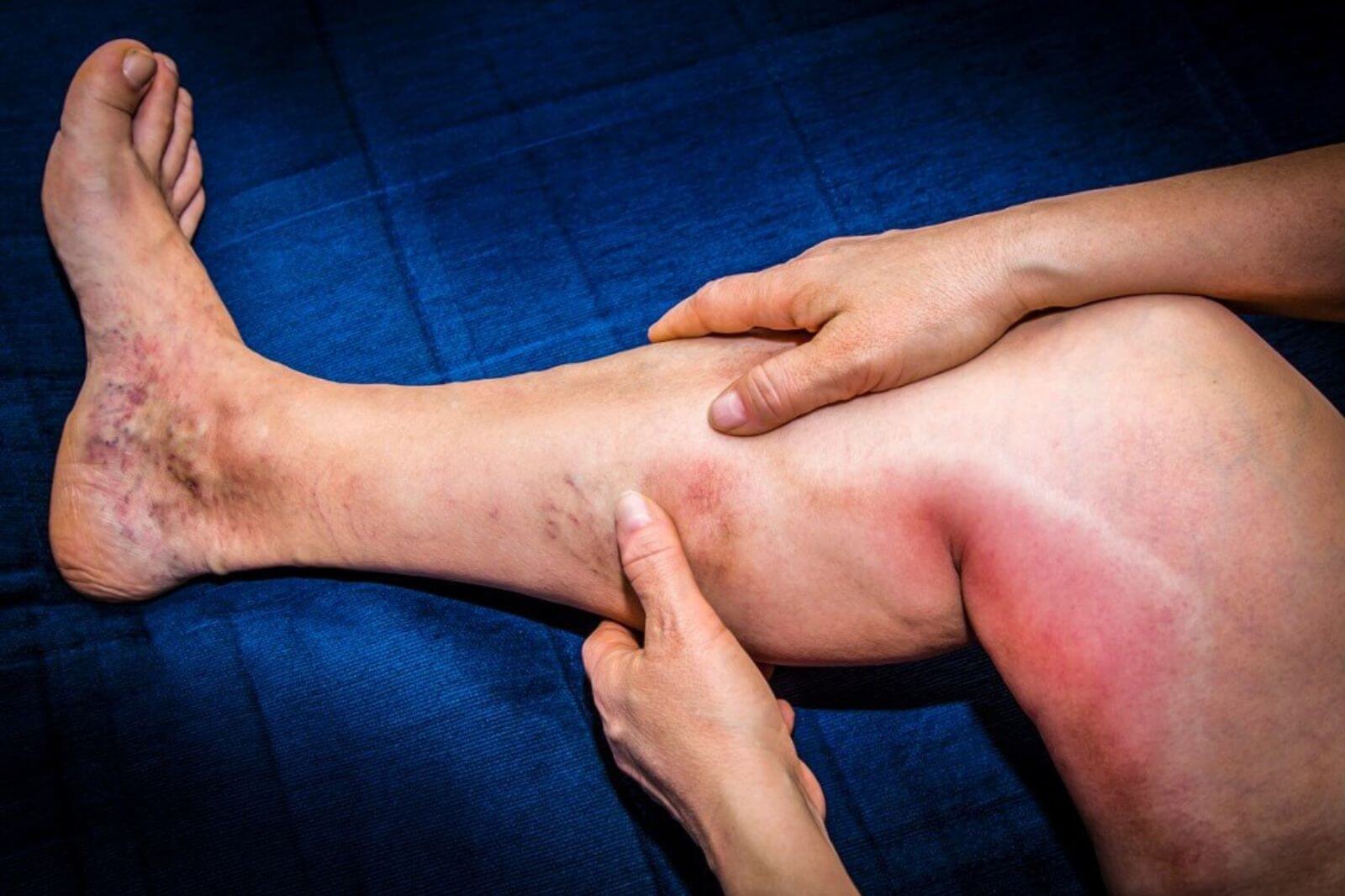
Thrombosis (घनास्त्रता) is the formation of a blood clot inside a blood vessel, obstructing the flow of blood through the circulatory system. When a blood vessel (a vein or an artery) is injured, the body uses platelets (thrombocytes) and fibrin to form a blood clot to prevent blood loss. Even when a blood vessel is not damaged, blood clots may form in the body under certain conditions. A clot, or a piece of the clot, that breaks free and begins to travel around the body is known as an embolus. Thrombosis can cause serious conditions such as stroke and heart attack. Complications can arise when a venous thromboembolism (commonly called a VTE) lodges in the lung as a pulmonary embolism. An arterial embolus may travel further down the affected blood vessel, where it can lodge as an embolism.
Thrombosis Meaning
Thrombosis refers to the formation of a blood clot (called a thrombus) inside a blood vessel. This clot can partially or completely block the normal blood flow in that vessel. When blood flow is slowed or stopped due to such a clot, it can lead to serious medical complications.
Thrombosis Types
The main types of thrombosis are classified based on the location of the clot and the type of blood vessel involved:
Arterial Thrombosis
A clot forms in an artery, the vessels that carry oxygen-rich blood from the heart to the body. It can block blood flow to vital organs. Examples: Coronary thrombosis → leads to heart attack, Cerebral thrombosis → can cause ischemic stroke, and Peripheral arterial thrombosis → affects limbs.
Venous Thrombosis
A clot forms in a vein, which is a vessel that returns blood to the heart.
Cerebral Venous Sinus Thrombosis (CVST)
A rare type where clots form in the venous sinuses of the brain, affecting the drainage of blood and causing increased pressure in the brain.
Portal Vein Thrombosis
A clot in the portal vein, which carries blood from the digestive organs to the liver. It may occur due to liver disease or abdominal infections.
Renal Vein Thrombosis
A clot in the vein that drains blood from the kidney. May cause flank pain, blood in urine, or kidney dysfunction.
Mesenteric Thrombosis
A clot in the mesenteric arteries or veins, which supply the intestines. It can lead to intestinal ischemia, a serious emergency.
Summary Table
| Type | Blood Vessel | Common Location | Severity |
|---|---|---|---|
| Arterial Thrombosis | Arteries | Heart, brain, limbs | High |
| DVT | Deep veins | Legs | High (risk of PE) |
| Pulmonary Embolism | Lung vessels | Lungs | Life-threatening |
| Superficial Thrombophlebitis | Superficial veins | Legs, arms | Low–Moderate |
| CVST | Brain venous sinuses | Brain | High |
| Portal Vein Thrombosis | Portal vein | Abdomen | High |
| Renal Vein Thrombosis | Kidney veins | Kidneys | Moderate–High |
| Mesenteric Thrombosis | Mesenteric vessels | Intestines | High |
Thrombosis Symptoms
Symptoms of thrombosis depend on where the clot forms—in an artery or a vein—and in which part of the body. Below is a clear, detailed breakdown of symptoms for each major type.
General Symptoms of Thrombosis
Some common symptoms may include:
-
Pain or tenderness in the affected area
-
Swelling
-
Redness or discoloration
-
Warmth over the area
-
Reduced or absent blood flow symptoms (numbness, coldness)
Deep Vein Thrombosis (DVT) Symptoms
Usually occurs in the legs.
Key Signs:
-
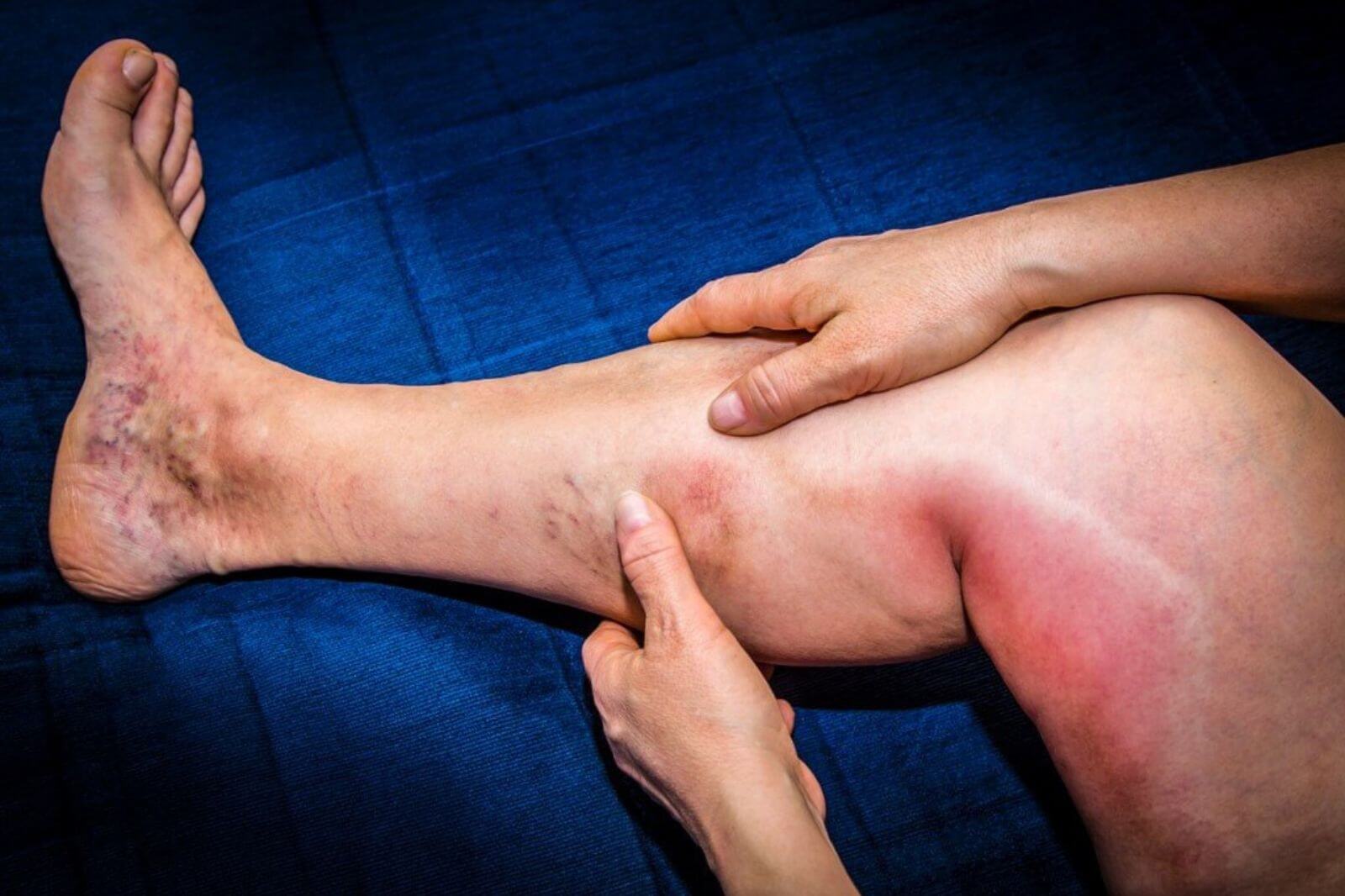
Swelling of one leg (rarely both)
-
Pain or cramping in the leg, often starting in the calf
-
Warmth over the affected vein
-
Red or bluish skin color
-
Tenderness along the vein
-
Leg feels heavy or tight
DVT may sometimes occur without any symptoms.
Pulmonary Embolism (PE) Symptoms
Occurs when a clot travels to the lungs. It is a medical emergency.
Symptoms:
-
Sudden shortness of breath
-
Sharp chest pain, worse on deep breathing
-
Rapid heartbeat
-
Cough, sometimes with blood
-
Feeling lightheaded or fainting
-
Blue or pale lips/skin
Arterial Thrombosis Symptoms
Depends on which artery is blocked.
Coronary Artery (Heart) – Heart Attack
-
Chest pain/pressure
-
Pain radiating to the arm, jaw, neck, or back
-
Sweating
-
Shortness of breath
Cerebral Artery (Brain) – Ischemic Stroke
-
Sudden weakness on one side of the body
-
Difficulty speaking
-
Drooping face
-
Loss of balance
-
Sudden severe headache
-
Vision problems
Peripheral Arteries (Limbs)
-
Cold, pale limb
-
Severe pain
-
Weak or absent pulses
-
Numbness or tingling
-
Tissue damage symptoms
Cerebral Venous Sinus Thrombosis (CVST) Symptoms
Clot in the brain’s venous sinuses.
Symptoms:
-
Severe headache
-
Weakness in limbs
-
Confusion
Portal Vein Thrombosis Symptoms
Clot in the portal vein of the abdomen.
Symptoms:
-
Abdominal pain
-
Enlarged spleen
-
Vomiting blood (in severe cases)
-
Ascites (fluid in the abdomen)
Renal Vein Thrombosis Symptoms
Affects the kidney’s blood supply.
Symptoms:
-
Flank or back pain
-
Blood in urine
-
Reduced urination
-
Kidney dysfunction
Mesenteric Thrombosis Symptoms
Affects the intestines.
Symptoms:
-
Severe abdominal pain, often out of proportion to the exam
-
Nausea and vomiting
-
Bloody stools
-
Abdominal swelling
Thrombosis Causes
Thrombosis occurs when the normal balance of blood flow, clotting, and vessel health is disturbed. The causes can be understood through Virchow’s Triad:
-
Blood flow stasis (slowed or stagnant blood)
-
Hypercoagulability (blood clots more easily)
-
Endothelial injury (damage to blood vessel walls)
Below is a complete breakdown.
Blood Flow Stasis (Sluggish or Slow Blood Flow)
When blood doesn’t move normally, it can pool and form clots.
Common Causes:
-
Prolonged immobility
-
Long flights
-
Bed rest
-
Hospitalization
-
-
Varicose veins
-
Heart failure
-
Pregnancy (increased pressure on pelvic veins)
-
Obesity (reduced circulation)
-
Sitting for long periods without moving legs
Hypercoagulability (Increased Tendency for Blood to Clot)
Blood becomes abnormally “sticky.”
Medical Causes:
-
Genetic clotting disorders
-
Factor V Leiden mutation
-
Protein C/S deficiency
-
Antithrombin III deficiency
-
-
Cancer (many cancers increase clotting)
-
Dehydration (makes blood thicker)
-
Hormonal factors
-
Estrogen-containing birth control pills
-
-
-
Antiphospholipid syndrome
-
-
Chronic inflammatory diseases
-
Smoking (increases clotting tendency)
-
COVID-19 infection, which raises inflammation and clot risk
Endothelial Injury (Damage to Blood Vessels)
When the inner lining of blood vessels is injured, clots may form to “repair” the damage.
Common Causes:
-
Trauma or injury
-
Accidents
-
Surgery (especially orthopedic surgery)
-
-
-
Plaque buildup damages artery walls
-
Can rupture and trigger arterial thrombosis
-
-
Toxins from smoking
-
Intravenous catheters (e.g., central lines)
-
Infections causing vascular inflammation
-
Diabetes, which damages the blood vessel lining over time
Medical & Lifestyle Factors
These contribute to thrombosis risk:
Medical:
-
Kidney disease
-
Liver cirrhosis (affects clotting factors)
-
Certain medications (e.g., chemotherapy, estrogen)
Lifestyle:
-
Alcohol misuse
-
Sedentary lifestyle
-
A High-fat diet leading to atherosclerosis
Specific Triggers for Certain Types of Thrombosis
Deep Vein Thrombosis (DVT):
-
Long travel (flights > 4 hours)
-
Surgery
-
Injury to the legs
-
Pregnancy/postpartum
-
Cancer
Pulmonary Embolism:
-
Usually, a complication of untreated DVT
Arterial Thrombosis:
-
High cholesterol
-
Smoking
Cerebral Venous Sinus Thrombosis (CVST):
-
Oral contraceptives
-
Pregnancy
-
Infections in the head region
-
Genetic clotting disorders
Thrombosis Diagnosis
Thrombosis is diagnosed using a combination of clinical evaluation, blood tests, and imaging tests. The exact method depends on whether the suspected clot is in a vein, an artery, or a specific organ (lungs, brain, abdomen, etc.). Below is a clear, detailed explanation.
Clinical Evaluation
The doctor checks:
-
Symptoms (pain, swelling, shortness of breath, chest pain, etc.)
-
Risk factors (immobility, recent surgery, smoking, cancer, pregnancy)
-
Physical exam findings (leg swelling, discoloration, abnormal pulses)
This guides which tests to order.
Blood Tests
D-Dimer Test
-
Measures fibrin fragments released when clots break down.
-
A high D-dimer level suggests a possible blood clot.
-
Useful for ruling out thrombosis in low-risk patients.
-
Not diagnostic by itself (can be elevated in infection, pregnancy, inflammation).
Coagulation Tests
Used to identify clotting abnormalities:
-
PT (Prothrombin Time)
-
aPTT (Activated Partial Thromboplastin Time)
-
INR
-
Fibrinogen levels
Blood Tests for Clotting Disorders
To detect hypercoagulable conditions:
-
Factor V Leiden mutation
-
Protein C and S levels
-
Antithrombin III
-
Antiphospholipid antibodies
These are done especially in young patients or those with recurrent clots.
Imaging Tests
Doppler Ultrasound (Primary test for DVT)
-
First-choice test for detecting clots in leg or arm veins.
-
Non-invasive, painless.
-
Shows blood flow and the presence of thrombus.
CT Pulmonary Angiography (CTPA)
-
The best test to diagnose Pulmonary Embolism (PE).
-
Uses contrast dye to visualize clots in lung arteries.
CT or MRI Venography
Used when ultrasound is inconclusive or for:
-
Cerebral Venous Sinus Thrombosis (CVST)
-
Pelvic vein thrombosis
-
Abdominal vein thrombosis
CT or MRI Angiography (for Arterial Thrombosis)
Detects clots in:
-
Coronary arteries (heart)
-
Carotid/cerebral arteries (stroke)
-
Peripheral arteries (limbs)
Echocardiography
Used to locate clots in the heart, especially in:
-
Heart failure
-
Heart valve disease
V/Q Scan (Ventilation–Perfusion Scan)
Alternative test for pulmonary embolism when:
-
The patient cannot receive contrast dye
-
Kidney disease is present
Special Diagnostic Tests
Coronary Angiography
Used to diagnose coronary artery thrombosis, which can cause a heart attack.
Duplex Scan
Combines Doppler + traditional ultrasound for enhanced vein assessment.
Platelet Function Tests
If arterial thrombosis is suspected due to platelet problems.
Diagnosis Summary Table
| Type of Thrombosis | Primary Test | Alternatives |
|---|---|---|
| DVT (leg or arm) | Doppler Ultrasound | CT/MRI venography |
| Pulmonary Embolism | CT Pulmonary Angiography | V/Q scan |
| Arterial Thrombosis | CT/MRI angiography | Doppler ultrasound |
| Stroke (ischemic) | CT/MRI brain | Carotid Doppler |
| CVST | MR venography | CT venography |
| Heart-related clot | Echocardiography | Cardiac MRI |
| Abdominal vein thrombosis | CT/MRI abdomen | Doppler ultrasound |
Thrombosis Risk Factors
Here are the major risk factors of thrombosis, explained clearly. Thrombosis risk increases when any factor affects blood flow, blood clotting tendency, or blood vessel health.
Prolonged Immobility
Anything that keeps you still for long periods slows blood flow and increases clot risk.
Examples:
-
Long flights or car travel
-
Bed rest after illness or surgery
-
Hospitalization
-
Paralysis
Surgery and Trauma
Both major and minor injuries can damage blood vessels and trigger clot formation.
High-risk surgeries:
-
Orthopedic surgeries (hip, knee replacements)
-
Abdominal or pelvic surgery
-
Cancer surgeries
Age
-
Risk increases significantly after age 60
-
Veins and arteries weaken
-
Blood thickens slightly with age
Cancer and Cancer Treatments
-
Many cancers increase the clotting tendency
-
Chemotherapy and hormonal treatments also raise the risk
Pregnancy and Postpartum Period
-
Increased blood volume and clotting factors
-
Pressure on pelvic veins
-
Highest risk after delivery
Hormonal Factors
Estrogen increases clotting.
High-risk groups:
-
Birth control pills (especially with estrogen)
-
Hormone replacement therapy
-
Pregnancy
Obesity
-
Sluggish blood circulation
-
Increased inflammation
-
Higher risk of DVT and PE
Smoking
-
Damages blood vessels
-
Increases blood clotting tendency
-
Major cause of arterial thrombosis (heart attack, stroke)
Genetic (Inherited) Clotting Disorders
These make the blood unusually prone to forming clots.
Examples:
-
Factor V Leiden mutation
-
Prothrombin gene mutation
-
Protein C deficiency
-
Protein S deficiency
-
Antithrombin III deficiency
Chronic Medical Conditions
Certain illnesses increase clot risk:
-
Heart failure
-
Atrial fibrillation (clots form in heart chambers)
-
Diabetes
-
High blood pressure
-
Varicose veins
-
Kidney disease
-
Inflammatory bowel disease
-
Autoimmune diseases (e.g., lupus)
-
Antiphospholipid syndrome
Infections & Inflammation
-
Severe infections
-
COVID-19
-
Chronic inflammatory diseases. These can make the blood hypercoagulable.
Dehydration
-
Makes blood thicker
-
Raises clotting risk
-
Common during travel, illness, or heat
Lifestyle Factors
-
Sedentary lifestyle
-
High-fat diet → atherosclerosis
-
Excess alcohol
-
Chronic stress
Medical Devices
-
Central venous catheters
-
Pacemakers
-
Dialysis catheters. These can irritate or injure blood vessels.
Risk Factor Summary Table
| Category | Examples |
|---|---|
| Immobility | Travel, bed rest, hospitalization |
| Medical conditions | Cancer, heart disease, diabetes, and kidney disease |
| Hormonal | Birth control pills, pregnancy, HRT |
| Lifestyle | Smoking, obesity, inactivity |
| Inherited | Factor V Leiden, protein C/S deficiency |
| Surgery/trauma | Hip/knee surgery, accidents |
| Infections | COVID-19, severe infections |
| Age | Older adults are at higher risk |
Thrombosis Prevention
The best ways to prevent thrombosis are explained clearly and practically. Prevention focuses on improving blood flow, maintaining healthy blood vessels, and reducing clotting risks.
Stay Physically Active
Movement keeps blood circulating and prevents clot formation.
Best Practices:
-
Walk for 5–10 minutes every hour during long sitting.
-
Stretch your legs frequently.
-
Do ankle circles, calf raises, and foot flexing exercises.
-
Regular exercise: 30–45 minutes, 5 days a week.
Maintain a Healthy Weight
Obesity is a major risk factor for both DVT and arterial thrombosis.
How:
-
Balanced diet
-
Regular physical activity
-
Limit sugary and processed foods
Avoid Prolonged Sitting or Standing
Long periods of immobility cause blood to pool in the legs.
Tips:
-
During travel (plane/train/car):
→ Stand or walk every 2–3 hours
→ Do calf and ankle exercises in the seat -
At work:
→ Take breaks to move around
→ Use sit-stand desks if possible
Stay Hydrated
Dehydration makes blood thicker and increases the risk.
Recommendation:
-
Drink 6–8 glasses of water daily
-
Increase intake during hot weather, exercise, or travel
Quit Smoking
Smoking damages blood vessels and increases clotting.
Benefits of quitting:
-
Reduces arterial thrombosis risk
-
Lower chances of heart attack and stroke
-
Improves circulation
Manage Medical Conditions
Controlling underlying health issues reduces clot risk.
Important conditions to manage well:
-
High blood pressure
-
Diabetes
-
High cholesterol
-
Heart failure
-
Atrial fibrillation
-
Varicose veins
Regular health check-ups are essential.
Use Compression Stockings (if advised)
Helps improve circulation in the legs and prevents DVT.
Useful for:
-
People with varicose veins
-
Long travel
-
Post-surgery recovery
-
Prolonged sitting or standing
Take Blood Thinners When Prescribed
For high-risk individuals, doctors may prescribe:
-
Heparin
-
Warfarin
-
DOACs (Apixaban, Rivaroxaban, Dabigatran)
These are essential after major surgery, during hospital stays, or for people with previous clots. Never take blood thinners without medical supervision.
Avoid Excessive Alcohol
Heavy drinking disrupts platelets and causes dehydration, increasing clot risk.
Healthy Diet
A heart-healthy diet prevents arterial thrombosis (heart attack, stroke).
Include:
-
Fruits, vegetables
-
Whole grains
-
Omega-3-rich foods (fish, flaxseed)
-
Nuts and seeds
-
Olive oil
Avoid:
-
Trans fats
-
Fried foods
-
Excess sugar
-
Processed meats
Hormonal Awareness
If you are taking estrogen-based medications:
-
Discuss clot risks with your doctor
-
Monitor symptoms
-
Switch to non-estrogen options if high-risk
Pregnancy Care
Pregnant women have naturally higher clotting tendency.
Prevention:
-
Stay active
-
Use compression stockings
-
Stay hydrated
-
Monitor for swelling or pain
-
High-risk women may need preventive blood thinners
Prevent Thrombosis During Travel
For long flights (>4 hours):
-
Walk every 1–2 hours
-
Do calf and ankle movements
-
Avoid alcohol
-
Drink plenty of water
-
Wear compression socks if recommended
Reduce Stress
Chronic stress increases inflammation and clotting tendency.
Techniques:
-
Meditation
-
Yoga
-
Deep breathing
-
Adequate sleep
Summary Table
| Prevention Method | Benefit |
|---|---|
| Physical activity | Improves blood flow |
| Hydration | Prevents thick blood |
| Healthy weight | Reduces DVT/PE risk |
| Quit smoking | Protects vessels |
| Manage medical issues | Prevents both arterial and venous clots |
| Compression stockings | Reduces leg clot risk |
| Blood thinners (if prescribed) | Prevent recurrent thrombosis |
| Avoid prolonged sitting | Prevents stagnation |
| Healthy diet | Prevents artery blockage |
Thrombosis Treatments
Here are the best and most commonly recommended treatments for thrombosis, explained clearly and in detail. Treatment varies based on whether the thrombosis is venous (DVT, PE) or arterial, and depending on severity.
Anticoagulant Medications (Blood Thinners)
These are the primary and most common treatments for thrombosis.
Heparin
-
Given as an injection or IV in hospitals.
-
Works quickly.
-
Used initially to stop the clot from growing.
Low–Low-Molecular-Weight Heparin (LMWH)
Examples: Enoxaparin, Dalteparin
-
Given as injections.
-
Often used for DVT and in pregnancy.
Warfarin
-
Oral anticoagulant requiring INR monitoring.
-
Good for long-term use.
Direct Oral Anticoagulants (DOACs)
Examples: Rivaroxaban, Apixaban, Dabigatran, Edoxaban
-
Easy to take (tablets).
-
No need for frequent blood testing.
Purpose: Prevent the clot from getting bigger & stop new clots from forming.
Thrombolytic Therapy (Clot-Busting Drugs)
Used in severe or life-threatening thrombosis, such as:
-
Massive Pulmonary Embolism (PE)
-
Stroke from arterial thrombosis
-
Limb-threatening DVT
Examples: Alteplase, Tenecteplase
Function: Dissolves clots quickly.
Risks: High bleeding risk → used only in emergencies under strict monitoring.
Mechanical Thrombectomy
A procedure to physically remove the clot.
Used for:
-
Some cases of stroke
-
Severe DVT causing phlegmasia
-
Patients who cannot receive thrombolytics
Types:
-
Catheter-directed thrombectomy
-
Aspiration thrombectomy
Inferior Vena Cava (IVC) Filter
A small device placed in the vena cava to trap clots.
Used when:
-
A person cannot take anticoagulants, or
-
Clots continue forming despite treatment
Note: Not first-line treatment; usually temporary.
Compression Therapy
Used mainly for DVT in the legs.
Compression stockings:
-
Improve blood flow
-
Reduce swelling
-
Prevent post-thrombotic syndrome (long-term leg pain & swelling)
Lifestyle & Supportive Treatments
These help recovery and prevent future thrombosis.
Elevation of the Affected Limb
Reduces swelling after DVT.
Regular Mobility
Walking increases blood flow and prevents further clotting.
Hydration
Prevents blood from becoming thick.
Weight Management
Obesity increases thrombosis risk.
Quit Smoking
Smoking increases clot formation.
Treatment of Underlying Conditions
Managing factors that caused thrombosis helps prevent recurrence:
-
Treating dehydration
-
Managing heart disease
-
Controlling diabetes
-
Treating infections
-
Adjusting hormone therapy or birth control pills
Surgical Treatment
Rarely needed; used in:
-
Massive arterial thrombosis
-
Limb-threatening cases
-
When other treatments fail
Types:
-
Open surgical thrombectomy
-
Bypass surgery (for arterial blockages)
Summary Table
| Treatment | Use Case | Purpose |
|---|---|---|
| Anticoagulants | Most DVT/PE | Prevent the growth of the clot |
| Thrombolytics | Emergency, life-threatening | Dissolve clot |
| Mechanical thrombectomy | Severe cases | Remove the clot directly |
| IVC filter | Cannot use anticoagulants | Prevent PE |
| Compression stockings | DVT | Reduce swelling, prevent complications |
| Lifestyle measures | All | Support recovery & prevent recurrence |
| Surgery | Rare, severe | Physically remove clots |
Ayurveda Treatments for Thrombosis
Here are the best and most commonly recommended Ayurveda treatments for thrombosis, explained clearly and safely. Ayurveda focuses on improving blood flow, reducing inflammation, preventing clot formation, and strengthening blood vessels. These treatments are supportive and should be used along with modern medical treatment, not as a replacement, because thrombosis can be life-threatening.
Herbal Medicines (Internal Treatment)
Guggulu Formulations
Guggulu improves circulation, reduces inflammation, and helps break down stagnation.
-
Kaishore Guggulu
-
Triphala Guggulu
-
Punarnavadi Guggulu
Benefits:
✔ Reduces swelling
✔ Supports detoxification
✔ Enhances venous and arterial health
Arjuna (Terminalia arjuna)
A powerful cardiotonic herb.
Benefits:
✔ Strengthens heart & blood vessels
✔ Improves blood flow
✔ Reduces risk of clot formation
Form: Arjuna powder, Arjuna Ksheerapaka, Arjuna capsules
Punarnava (Boerhavia diffusa)
A strong anti-inflammatory and anti-edema herb.
Benefits:
✔ Reduces swelling in DVT
✔ Improves circulation
✔ Removes excess fluid retention
Turmeric (Haridra) + Black Pepper
Curcumin is a natural anticoagulant and anti-inflammatory agent.
Benefits:
✔ Improves blood flow
✔ Reduces clot-related inflammation
✔ Prevents recurrence
Ashwagandha
Strengthens the cardiovascular system, reduces inflammation, and stress.
Shilajit
Improves microcirculation, strengthens blood vessels, and reduces oxidative stress.
Ayurvedic Panchakarma Therapies (External & Internal)
Used based on the patient’s condition and after stabilization from medical treatment.
Abhyanga (Medicinal Oil Massage)
Oils used:
-
Dhanwantharam Thailam
-
Ksheerabala Thailam
Benefits:
✔ Improves peripheral circulation
✔ Reduces stiffness & swelling
✔ Relaxes muscles
Swedana (Herbal Steam Therapy)
Benefits:
✔ Enhances blood flow
✔ Dilates blood vessels
✔ Reduces pain and swelling
(Not used in acute DVT; only during recovery phase.)
Basti (Medicated Enema Therapy)
Best for Vata imbalance affecting circulation.
Types:
-
Anuvasana Basti (oil-based)
-
Niruha Basti (decoction-based)
Benefits:
✔ Improves lower-body blood circulation
✔ Reduces inflammation
✔ Balances Vata — important in clot formation
Leech Therapy (Jalaukavacharana)
A classical Ayurvedic treatment used in vascular disorders.
Benefits:
✔ Increases local blood flow
✔ Reduces congestion
✔ Natural anticoagulant effect (hirudin)
Used only by trained practitioners.
Rasayana (Rejuvenation Therapy)
Strengthens blood vessels and reduces oxidative damage.
Amalaki Rasayana
Enhances blood quality, circulation.
Chyawanprash
Boosts immunity and vascular health.
Brahma Rasayana
Reduces inflammation and improves tissue healing.
Diet Recommendations in Ayurveda (Pathya-Apathya)
Foods That Improve Circulation
✔ Garlic
✔ Ginger
✔ Turmeric
✔ Green leafy vegetables
✔ Amla
✔ Walnuts
✔ Sesame seeds
✔ Warm water
Foods to Avoid
✖ Deep-fried foods
✖ Red meat in excess
✖ Cold foods & drinks
✖ Refined sugars
✖ Heavy, oily, or stale foods
Lifestyle Treatments
Yoga & Pranayama
Helpful during recovery (not during acute thrombosis).
Best practices:
-
Vajrasana
-
Tadasana
-
Bhastrika (gentle)
-
Anulom-Vilom
-
Walking regularly
Warm Compress (after acute phase)
Reduces stiffness and swelling.
Avoid Prolonged Sitting or Immobility
Move every 30–45 minutes to improve circulation.
Important Safety Notes
-
Ayurveda helps support circulation and recovery, but does NOT replace anticoagulants or medical treatment.
-
Thrombosis can be life-threatening; always follow modern medical guidance first.
-
Panchakarma, herbs, and leech therapy must be done under supervision.
-
Some herbs (like turmeric, guggulu) increase bleeding, so dosage must be correct, especially if you are already on anticoagulants.

Home Remedies for Thrombosis
Here are the best, safest, and most effective home remedies for thrombosis, focusing on improving blood circulation, reducing swelling, preventing clot growth, and supporting recovery. These remedies are supportive in addition to medical treatment, not replacements, because thrombosis can be dangerous.
Warm Compress (After the Acute Phase)
Apply a warm (not hot) compress to the affected area.
Benefits:
✔ Improves blood circulation
✔ Reduces stiffness
✔ Eases pain and discomfort
Avoid during acute swelling or redness.
Elevation of the Affected Limb
Especially useful for leg DVT.
How to do:
-
Keep the leg elevated above heart level for 20–30 minutes, 3–4 times daily.
Benefits:
✔ Reduces swelling
✔ Improves venous return
✔ Relieves heaviness and pain
Hydration (Very Important)
Drink 2–3 liters of water per day unless restricted by your doctor.
Benefits:
✔ Thins the blood naturally
✔ Prevents clot formation
✔ Improves circulation
Garlic
A natural blood-thinner and anti-inflammatory.
How to use:
-
Eat 2–3 raw garlic cloves daily, or
-
Take with warm water on an empty stomach.
Benefits:
✔ Improves circulation
✔ Reduces blood viscosity
✔ Lowers inflammation
Turmeric + Black Pepper
Turmeric (curcumin) is a natural anticoagulant.
How to take:
-
1 teaspoon turmeric + pinch of black pepper in warm milk or water.
Benefits:
✔ Reduces inflammation
✔ Improves blood flow
✔ Supports vein health
Ginger Tea
Ginger is a natural vasodilator.
How to prepare: Boil 1-inch fresh ginger in water for 5–7 minutes.
Benefits:
✔ Reduces clot-related inflammation
✔ Enhances blood circulation
✔ Relieves heaviness in legs
Regular Gentle Walking
Walking is one of the best home remedies for thrombosis recovery.
Benefits:
✔ Prevents new clots
✔ Improves venous blood flow
✔ Reduces swelling and pain
Note: Avoid strenuous exercises.
Compression Stockings
Medical-grade stockings (if advised by your doctor).
Benefits:
✔ Increases blood flow in legs
✔ Prevents post-thrombotic syndrome
✔ Reduces swelling
Warm Water Soaks
Good for promoting circulation.
How to do:
-
Soak feet or legs for 10–15 minutes in warm water.
Anti-inflammatory Foods
Add foods that improve circulation:
✔ Green leafy vegetables
✔ Beetroot
✔ Berries
✔ Nuts and seeds (walnut, flaxseed, sesame)
✔ Olive oil
✔ Lemon water
Avoid Prolonged Sitting
Every 30–45 minutes:
-
Stand up
-
Stretch
-
Walk for 1–2 minutes
This prevents stagnation of blood, which triggers clots.
Apple Cider Vinegar (ACV)
Helps improve blood flow and reduce swelling.
How to use:
-
1 tablespoon ACV + warm water once a day.
Important Precautions
-
Do NOT stop medical anticoagulants.
-
Remedies like turmeric, ginger, and garlic increase bleeding risk → inform your doctor, especially if you are on blood thinners (Warfarin, Heparin, DOACs).
-
Avoid massage over a fresh DVT → can dislodge a clot.
-
Avoid strenuous exercise until the doctor allows.
-
Home remedies help, but cannot dissolve large clots.

Conclusion
Thrombosis is a serious medical condition in which blood clots form inside blood vessels, restricting or blocking blood flow. If not recognized and treated promptly, it can lead to major complications such as pulmonary embolism, stroke, or organ damage. Understanding its symptoms, causes, and risk factors is essential for early diagnosis and prevention. Modern medical treatment—especially anticoagulants—remains the cornerstone of care, while lifestyle improvements, proper hydration, regular movement, and supportive therapies can greatly aid recovery and prevent recurrence. Ultimately, awareness, timely medical intervention, and healthy habits play the most important roles in reducing the risks and long-term effects of thrombosis.
Frequently Asked Questions
1. What is thrombosis?
Thrombosis is the formation of a blood clot inside a blood vessel, which obstructs the normal flow of blood. It can occur in veins or arteries and may lead to serious complications if not treated.
2. What are the main types of thrombosis?
The two major types are:
-
Venous Thrombosis: Affects veins, such as Deep Vein Thrombosis (DVT).
-
Arterial Thrombosis: Affects arteries and can lead to heart attacks or strokes.
3. What causes thrombosis?
Thrombosis is usually caused by slowed blood flow, damage to blood vessel walls, or increased blood clotting. Risk factors include immobility, surgery, smoking, obesity, pregnancy, aging, and certain medical conditions.
4. What are the most common symptoms of thrombosis?
Symptoms depend on the location but may include swelling, pain, redness, warmth, chest pain, shortness of breath, or sudden numbness or weakness.
5. How is thrombosis diagnosed?
Doctors use tests such as ultrasound, D-dimer blood tests, CT or MRI scans, and venography or angiography to confirm the presence of a blood clot.
6. Can thrombosis be dangerous?
Yes. Untreated thrombosis can lead to life-threatening conditions like pulmonary embolism, stroke, or permanent organ damage. Early detection is crucial.
7. What is the standard treatment for thrombosis?
Treatment usually involves anticoagulant (blood-thinning) medications, thrombolytic therapy for severe cases, compression stockings, and lifestyle changes to improve circulation.
8. Can thrombosis be prevented?
Yes. Prevention includes staying active, avoiding long periods of sitting, drinking plenty of water, maintaining a healthy weight, avoiding smoking, and following medical advice after surgery or long travel.
9. Is thrombosis related to varicose veins?
Varicose veins can increase the risk of superficial vein thrombosis, but not everyone with varicose veins develops clots. Proper care can reduce the risk.
10. When should I seek medical attention for suspected thrombosis?
Seek immediate care if you have symptoms such as sudden leg swelling, unexplained pain, chest pain, difficulty breathing, or sudden neurological symptoms. Early treatment can save a life and prevent complications.
Reference: https://en.wikipedia.org/wiki/Thrombosis