Skip to content
SIDDHASPIRITUALITY SIDDHASPIRITUALITY

  • HOME
  • CONTACT
  • PRIVACY POLICY
  • ABOUT US
SIDDHASPIRITUALITY
SIDDHASPIRITUALITY

06/07/2026

Ringworm (Tinea): Causes, Symptoms & Treatment Guide

Ringworm (दाद), also known as tinea, is a common fungal infection of the skin. It can affect both humans and animals. The infection is caused by fungi, known as dermatophytes, that thrive on the skin, hair, and nails. Symptoms of ringworm include itching, redness, and a characteristic ring-shaped rash. While not life-threatening, ringworm can be uncomfortable. embarrassing and easily spread. It is typically treated with antifungal medications applied directly to the skin, but oral medications may be necessary for severe or widespread infections. There is a spreading outbreak of extensive and drug-resistant ringworm in many countries.

Ringworm (Tinea): An Overview

Ringworm, medically known as tinea, is a common fungal infection of the skin, hair, or nails caused by a group of fungi called dermatophytes. Despite its name, ringworm is not caused by a worm or parasite. The infection gets its name because it often appears as a circular, ring-shaped rash with raised edges.

Ringworm can affect people of all ages and commonly occurs in warm and humid environments where fungi grow easily. It spreads through direct contact with an infected person, animal, or contaminated objects such as towels, clothing, bedding, and sports equipment.

Although ringworm is usually not dangerous, it can cause significant itching, discomfort, and embarrassment, and may lead to complications if left untreated.

https://images.openai.com/static-rsc-4/e1cRpBW1bZMoaaN3xeHOB7a8A0pxteiUu7Ont4F0EzYFGmE8otab92qquo62LS64iBopJJUIt2h56SCm94m7Ui2L7qpsRnBnvrwQuetliky1H6Kriu-5zJtFOnhDLFQnX2Gg_XBq2bcJUZ2slhxn2ah_wbEd59ocHeMuwOlf7EBWAEvhxmr0M2ETr7i5DwNa?purpose=fullsize
Ringworm (tinea) fungal infection showing circular, red, itchy skin patches caused by dermatophyte fungi.

What Causes Ringworm?

Ringworm develops when dermatophyte fungi multiply on the outer layer of the skin. These fungi feed on keratin, a protein found in skin, hair, and nails.

The major fungi responsible for ringworm include:

  • Trichophyton
  • Microsporum
  • Epidermophyton

These fungi thrive in:

  • Warm temperatures
  • Moist skin areas
  • Sweaty environments
  • Poor ventilation

How Ringworm Spreads

Ringworm is contagious and can spread through:

1. Direct Skin Contact

Touching the infected skin of another person can transmit the fungus.

2. Contact With Infected Animals

Pets such as cats and dogs can carry fungal infections and pass them to humans.

3. Contaminated Objects

The infection may spread through:

  • Towels
  • Clothes
  • Shoes
  • Combs
  • Bedsheets
  • Gym equipment

4. Soil Exposure

Some types of dermatophytes live in soil and may infect people after prolonged contact.

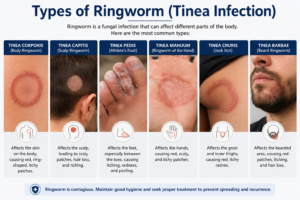
Types of Ringworm (Tinea Infection)

Ringworm is classified according to the area of the body affected.

1. Tinea Corporis (Body Ringworm)

This is the most common form of ringworm affecting the arms, legs, chest, back, and other body areas.

Symptoms include:

  • Circular red patches
  • Raised borders
  • Itching
  • Scaling skin

2. Tinea Capitis (Scalp Ringworm)

This affects the scalp and is more common among children.

Symptoms may include:

  • Hair loss in patches
  • Scaly scalp
  • Itching
  • Broken hairs
  • Tender areas

3. Tinea Pedis (Athlete’s Foot)

This affects the feet, especially between the toes.

Common signs:

  • Cracked skin
  • Burning sensation
  • Peeling
  • Itching
  • Bad odor

4. Tinea Cruris (Jock Itch)

This affects the groin area, especially in people who sweat heavily.

Symptoms:

  • Red itchy rash
  • Burning sensation
  • Skin irritation

5. Tinea Unguium (Nail Fungus)

This affects fingernails and toenails.

Signs include:

  • Thickened nails
  • Yellow discoloration
  • Brittle nails
  • Nail distortion
https://siddhaspirituality.com/wp-content/uploads/2026/07/ChatGPT-Image-Jul-4-2026-09_37_50-AM-300x200.png
Types of Ringworm (Tinea Infection)

Symptoms of Ringworm

The symptoms of ringworm may vary depending on the location of infection, but common signs include:

1. Circular Rash

The classic symptom is a ring-shaped rash with:

  • Red or pink edges
  • Clearer skin in the center
  • Raised borders

2. Severe Itching

Many people experience persistent itching that becomes worse with sweating.

3. Dry and Scaly Skin

The infected area may become:

  • Flaky
  • Rough
  • Cracked

4. Inflammation

The skin may become swollen, irritated, or painful.

5. Hair Loss

Scalp infections can cause temporary hair loss.

https://images.openai.com/static-rsc-4/4yKXth38p9mZngIE-vCcoVqj9DsIW8m8lBE2krJ-tKqHAWpUU-t5wHsnZeVLs085zRYJyiGYNWICWlu1WbxEZAAzhtpq3uBoCtuP_ol1lc-VlxIqjTtBwf7tMutPlo82_kW_72UImp1jeEQuv6Mkz6mHJ7GFX0hrMbNTyo6i-Gj8RCbwGDYYX161ULf1OK0u?purpose=fullsize
Visible symptoms of ringworm include circular, red, itchy patches and scaly skin caused by a fungal infection.

Risk Factors That Increase the Chance of Ringworm

Anyone can develop ringworm, but certain factors increase the risk.

Excessive Sweating

Moist skin creates an ideal environment for fungal growth.

Poor Hygiene

Not maintaining proper skin cleanliness may increase fungal infections.

Sharing Personal Items

Using another person’s:

  • Towels
  • Clothing
  • Razors
  • Hairbrushes

Can spread infection.

Weak Immune System

People with weakened immunity may develop severe or repeated fungal infections.

Contact Sports

Wrestlers and athletes are at higher risk due to frequent skin contact.

Tight Clothing

Tight clothes trap moisture and heat, encouraging fungal growth.

How Is Ringworm Diagnosed?

A doctor usually diagnoses ringworm by examining the skin.

Diagnostic methods may include:

Physical Examination

Doctors often identify ringworm by its characteristic appearance.

Skin Scraping Test

A small sample of infected skin may be examined under a microscope.

Fungal Culture

A laboratory test may identify the specific fungus causing infection.

Wood’s Lamp Examination

Some fungal infections may glow under special ultraviolet light.

https://encrypted-tbn0.gstatic.com/images?q=tbn:ANd9GcTnpEg5BuwUHS5zHJfY8ZWzbxgl7F7sUho-kQ&s
A doctor usually diagnoses ringworm by examining the skin.

Treatment of Ringworm

Ringworm is usually treatable with antifungal medications.

Treatment depends on:

  • Location of infection
  • Severity
  • Patient’s age
  • Immune condition

1. Antifungal Creams and Ointments

Mild skin infections are commonly treated with topical antifungal medicines such as:

  • Clotrimazole
  • Miconazole
  • Terbinafine

These are applied directly to the affected area.

Treatment usually continues for several weeks to eliminate the fungus.

2. Oral Antifungal Medicines

Doctors may prescribe oral antifungal tablets for:

  • Scalp ringworm
  • Nail infections
  • Severe infections

These medicines help eliminate fungus from deeper tissues.

3. Keeping the Skin Dry

Helpful measures include:

  • Drying skin properly after bathing
  • Changing sweaty clothes
  • Wearing breathable fabrics

Home Care Tips for Ringworm

Home care can support medical treatment but should not replace antifungal therapy.

Keep the Area Clean

Wash gently and dry completely.

Avoid Scratching

Scratching can spread infection and cause bacterial infection.

Wash Clothes Regularly

Wash the infected person’s clothes and bedding separately.

Avoid Sharing Personal Items

Do not share towels, clothing, or grooming tools.

Natural Remedies for Ringworm

Some people use natural remedies to reduce symptoms. However, scientific evidence varies.

Possible supportive options include:

Coconut Oil

May help moisturize dry skin and has mild antifungal properties.

Tea Tree Oil

Some studies suggest antifungal activity, but it should be diluted before use.

Aloe Vera

May soothe irritation and itching.

Always consult a healthcare professional for persistent infections.

Ayurveda Treatments for Ringworm (Tinea): Natural Supportive Remedies and Traditional Approaches

In Ayurveda, ringworm (tinea) is considered a type of “Kushta” (skin disorder) and is often associated with an imbalance of Doshas (especially Kapha and Pitta) along with accumulation of impurities and weakened skin resistance. Modern medicine identifies ringworm as a fungal infection caused by dermatophytes, so antifungal treatment is usually the primary therapy. Ayurvedic remedies may help support skin health, reduce itching, dryness, and irritation, but persistent or widespread infections should be evaluated by a healthcare professional.

https://images.openai.com/static-rsc-4/TTSB_c03bi7xrZ_N_66nHuqKQ6Jfp-PqbsLzuuvmlDTKmLQ2oiWkUM-rYgQiEuDfwtrbf9ugDK705fgY7yMFJsOKJIDkHwhWZ1MVNDKpzdt0O8PkFPbb-koYsHWWX2hnIdfUIgZerFARjeyJdaq2hdcB0-3eO-ssLHlSj8qGW_A4f2POZJ-Yj3bx4WG0CQM9?purpose=fullsize
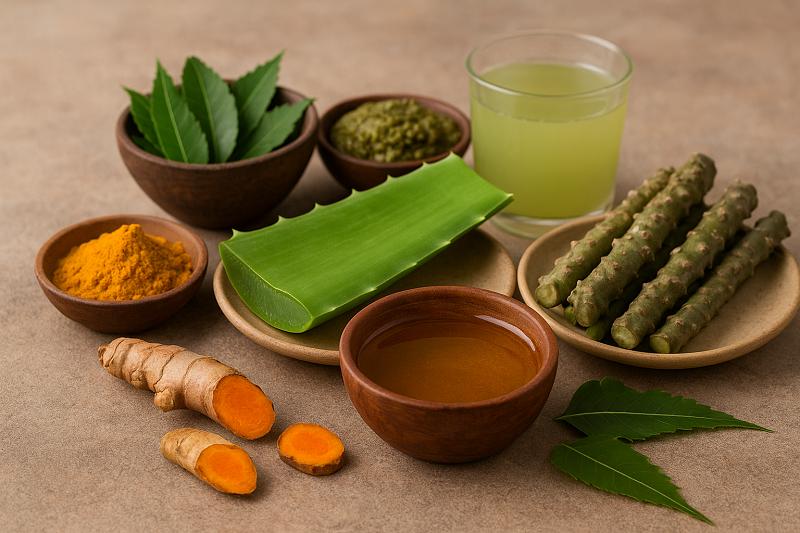
Ayurvedic herbs such as neem, turmeric, and aloe vera are traditionally used for supporting healthy skin.

1. Neem (Azadirachta indica)

Neem is one of the most commonly used Ayurvedic herbs for skin conditions.

How it may help:

  • Traditionally used for its cleansing properties
  • May help soothe irritated skin
  • Contains compounds with antimicrobial activity

Traditional use:

  • Neem leaf paste may be applied externally
  • Neem water baths are traditionally used for skin comfort

How to use:

  • Grind fresh neem leaves with a small amount of water
  • Apply a thin layer on the affected area
  • Wash after some time, and keep the skin dry

(Avoid applying on cracked or severely irritated skin without guidance.)

2. Turmeric (Haldi)

Turmeric is widely used in Ayurveda for skin care.

Benefits:

  • Contains curcumin, known for its anti-inflammatory properties
  • May help reduce redness and irritation

Traditional application:

A paste made using turmeric and water or coconut oil is sometimes applied to affected areas.

Note: Turmeric may stain skin and clothing. It should not replace antifungal medication for confirmed ringworm.

3. Aloe Vera

Aloe vera is traditionally used for soothing skin discomfort.

Possible benefits:

  • Helps moisturize dry skin
  • May reduce the itching sensation
  • Provides a cooling effect

Fresh aloe vera gel may be applied gently to irritated skin.

4. Coconut Oil

Coconut oil is commonly used in traditional skin care.

Possible benefits:

  • Helps prevent excessive dryness
  • Contains fatty acids with some antifungal activity in laboratory studies

Apply a thin layer to dry skin, but avoid using oily substances if they increase sweating or moisture in the affected area.

5. Manjistha (Rubia cordifolia)

Manjistha is an Ayurvedic herb traditionally associated with skin purification.

It is commonly used in Ayurveda formulations for:

  • Skin balance
  • Supporting a healthy complexion
  • Managing certain skin concerns

Internal use should be done only under the guidance of an Ayurvedic practitioner.

6. Khadir (Acacia catechu)

Khadir is another traditional Ayurvedic herb used in skin-related formulations.

It is traditionally considered helpful for:

  • Supporting skin health
  • Reducing irritation

7. Triphala

Triphala (a combination of three fruits) is traditionally used for overall wellness.

Possible roles:

  • Supports digestion
  • Traditionally used for detoxification practices
  • May support overall immunity

Ayurvedic Lifestyle Tips for Ringworm

Ayurveda emphasizes maintaining balance and reducing conditions that allow fungal growth.

Keep the Skin Dry

Fungi grow well in moisture.

Helpful habits:

  • Dry skin completely after bathing
  • Change sweaty clothes quickly
  • Wear loose cotton clothing

Follow a Skin-Friendly Diet

Traditionally recommended:

  • Fresh fruits
  • Vegetables
  • Adequate water
  • Light, balanced meals

Limit excessive:

  • Sugary foods
  • Very oily foods
  • Processed foods

Ayurvedic External Formulations (Used Traditionally)

Some Ayurvedic practitioners may recommend formulations such as:

  • Neem-based oils
  • Herbal pastes
  • Khadir-based preparations
  • Gandhak (sulfur)-containing preparations

These should be used under professional guidance because improper use may irritate the skin.

Important Precautions

  • Do not scratch the affected area; it can spread infection.
  • Avoid sharing towels, clothes, or personal items.
  • Do not apply strong herbal mixtures on broken skin.
  • Avoid self-medicating with internal Ayurvedic medicines without guidance.

When Modern Antifungal Treatment May Be Needed

Ayurvedic care may be used as supportive skin care, but medical antifungal treatment is often necessary when:

  • Ringworm is spreading
  • The scalp is affected
  • Nails are involved
  • Symptoms persist for several weeks
  • Infection keeps returning

Final Note for Ringworm in Ayurveda

Ayurveda offers several traditional approaches such as neem, turmeric, aloe vera, and skin-supportive herbs that may help maintain healthy skin and reduce discomfort. However, because ringworm is a fungal infection, eliminating the fungus usually requires appropriate antifungal management. Combining proper hygiene, medical treatment when needed, and supportive Ayurvedic practices can provide the best results.

What Happens If Ringworm Is Left Untreated?

Untreated ringworm may:

  • Spread to other body areas
  • Infect other people
  • Become more difficult to treat
  • Cause skin damage from scratching
  • Lead to secondary bacterial infections

Scalp and nail infections especially require proper treatment because they may persist for a long time.

Prevention of Ringworm

Preventing ringworm requires reducing exposure to fungi.

Maintain Good Hygiene

  • Bathe regularly
  • Keep skin dry
  • Change clothes frequently

Avoid Sharing Personal Items

Do not share:

  • Towels
  • Clothes
  • Shoes
  • Hair accessories

Protect Yourself in Public Areas

Wear footwear in:

  • Swimming pools
  • Locker rooms
  • Shared showers

Treat Infected Pets

Veterinary care may be needed if pets show signs of fungal infection.

Ringworm vs Other Skin Conditions

Ringworm may resemble:

  • Eczema
  • Psoriasis
  • Allergic rash
  • Bacterial infections

Unlike many rashes, ringworm often has:

  • Circular appearance
  • Raised edges
  • Gradual outward spreading

A proper diagnosis helps ensure the right treatment.

When Should You See a Doctor for Ringworm?

Seek medical advice if:

  • The rash spreads rapidly
  • Treatment does not improve symptoms
  • The scalp or nails are affected
  • There is severe pain or swelling
  • The infection keeps returning
  • You have a weakened immune system

Conclusion: Ringworm

Ringworm (tinea) is a common but highly manageable fungal skin infection. Although the condition can cause itching, redness, and discomfort, early diagnosis and proper antifungal treatment usually lead to complete recovery.

Maintaining good hygiene, keeping skin dry, avoiding sharing personal items, and treating infections promptly are important steps to prevent spreading. If symptoms persist or worsen, medical guidance should be sought to avoid complications.

Understanding ringworm and taking preventive measures can help protect both personal health and the health of others.

Frequently Asked Questions (FAQs)

1. Is ringworm caused by a worm?

No. It is a fungal infection caused by dermatophytes. It has nothing to do with worms.

2. Is ringworm contagious?

Yes. It can spread through direct contact with infected people, animals, or contaminated objects.

3. How long does ringworm take to heal?

With proper treatment, many cases improve within 2–4 weeks, but some infections may require longer.

4. Can ringworm come back?

Yes. Reinfection can occur if the fungus remains on clothing, pets, or personal items.

Reference: https://www.who.int/news-room/fact-sheets/detail/ringworm-(tinea)

Related

Uncategorized Antifungal TreatmentAyurveda Treatment for RingwormAyurvedic Skin CareDermatologyfungal infectionFungal Skin DiseaseHome Remedies for RingwormNatural Remedies for RingwormRingwormRingworm CureRingworm InfectionRingworm TreatmentSkin Healthskin infectionTinea

Post navigation

Previous post

Leave a Reply Cancel reply

Your email address will not be published. Required fields are marked *

Recent Posts

  • Ringworm (Tinea): Causes, Symptoms & Treatment Guide
  • Drug Withdrawal Treatment: A Complete Guide To Safe Detox And Recovery
  • Muscle Cramps: Why They Happen and How to Stop Them Quickly
  • Cholera Turns Deadly Within Hours: Know The Warning Signs And How To Stay Safe
  • Constant Runny Nose? Discover the Causes, and Best Treatments

Recent Comments

  1. Tool Collection on Dr. Swami Hardas: Inventor of SHLS
  2. User Requests on Diabetes Mellitus Type 1 & Free Siddha Energy Remedies
  3. Product Launches on Dr. Swami Hardas: Inventor of SHLS
  4. Drug Withdrawal Treatment: A Complete Guide To Safe Detox And Recovery - SIDDHASPIRITUALITY on How to Control Nausea with Best Home Remedies?
  5. Drug Withdrawal Treatment: A Complete Guide To Safe Detox And Recovery - SIDDHASPIRITUALITY on Nervous System of Human Body

Archives

  • July 2026
  • June 2026
  • May 2026
  • April 2026
  • March 2026
  • February 2026
  • January 2026
  • December 2025
  • November 2025
  • October 2025
  • September 2025
  • August 2025
  • July 2025
  • June 2025
  • May 2025
  • April 2025
  • March 2025
  • February 2025
  • January 2025
  • December 2024
  • November 2024
  • October 2024
  • September 2024
  • August 2024
  • July 2024
  • June 2024
  • May 2024
  • April 2024
  • March 2024
  • February 2024
  • January 2024
  • December 2023
  • November 2023
  • October 2023
  • August 2023
  • July 2023
  • June 2023
  • May 2023
  • April 2023
  • March 2023
  • January 2023
  • December 2022
  • November 2022
  • October 2022
  • September 2022
  • August 2022
  • July 2022
  • June 2022
  • May 2022
  • April 2022
  • March 2022
  • February 2022
  • January 2022
  • December 2021
  • November 2021
  • October 2021
  • September 2021
  • August 2021
  • July 2021
  • June 2021
  • May 2021
  • April 2021
  • March 2021
  • February 2021
  • January 2021
  • December 2020
  • November 2020
  • October 2020
  • September 2020
  • August 2020
  • July 2020
  • June 2020
  • May 2020
  • April 2020
  • March 2020
  • February 2020
  • January 2020
  • December 2019
  • November 2019
  • October 2019
  • September 2019
  • August 2019
  • July 2019
  • June 2019
  • May 2019
  • April 2019
  • March 2019
  • February 2019
  • January 2019
  • December 2018
  • November 2018
  • October 2018
  • September 2018

Categories

  • Addict free life, Addiction impact, Cell phone and social media, Financial problem, Gambling, Siddha spirituality, Suicide, Swami Hardas Life System, What is addiction, Work problem
  • Best and successful method of achieving progress in education
  • Blogging
  • Meditation
  • Swami Hardas Life System
  • The late Nelson Mandela once said – Education is the most powerful weapon which you can use to change the world
  • Tips for purchasing plot
  • Uncategorized
  • what is physical education, what is post-secondary education, why is education important, what is secondary education, what is special education, what is higher education
©2026 SIDDHASPIRITUALITY | WordPress Theme by SuperbThemes