
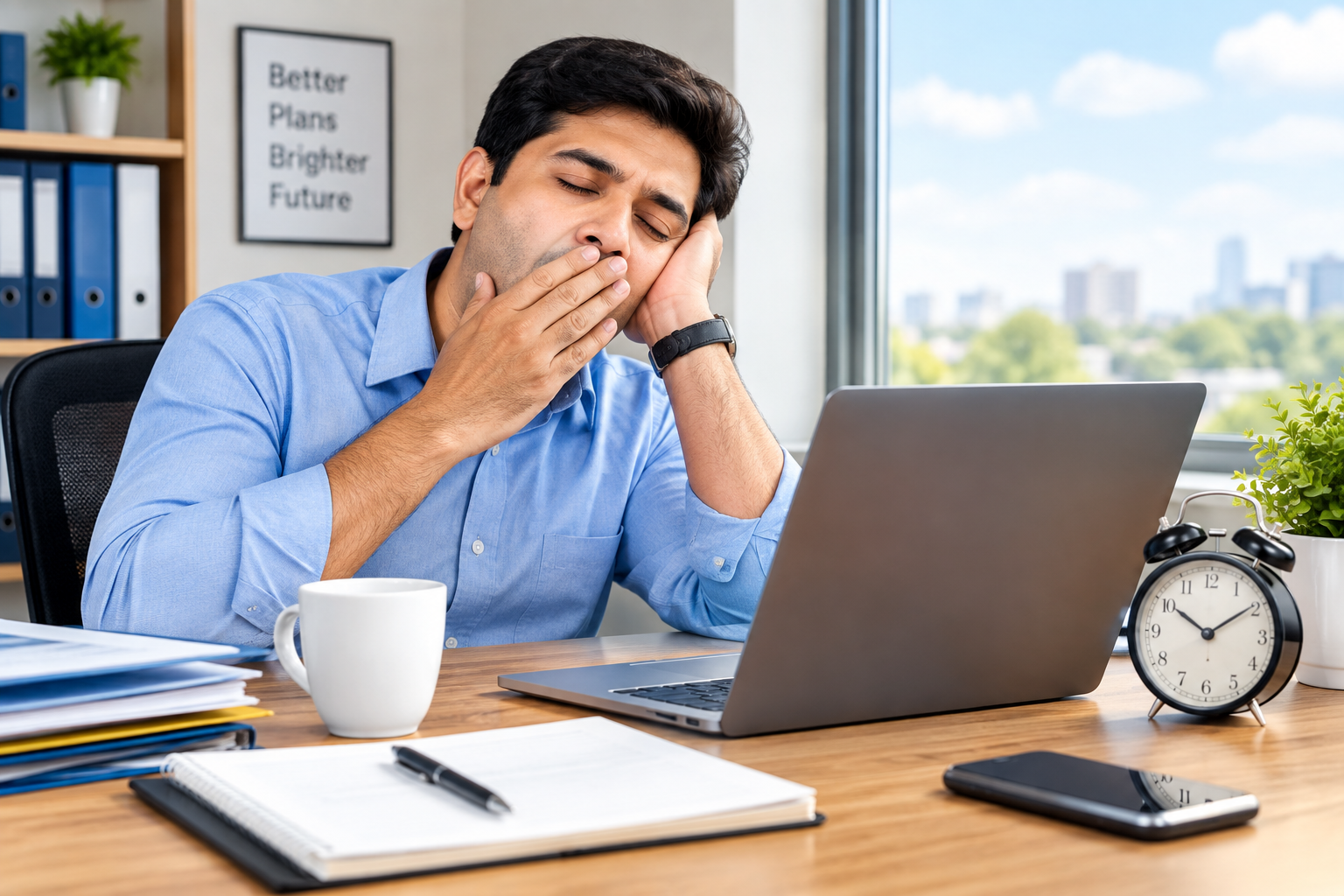
Excessive daytime sleepiness (EDS) [दिन में बहुत नींद आना] is characterized by persistent sleepiness and often a general lack of energy, even during the day after apparently adequate or even prolonged nighttime sleep. EDS can be considered a broad condition encompassing several sleep disorders where increased sleep is a symptom, or as a symptom of another underlying disorder like narcolepsy, circadian rhythm sleep disorder, sleep apnea, or idiopathic hypersomnia.
Some persons with EDS, including those with hypersomnias like narcolepsy and idiopathic hypersomnia, are compelled to nap repeatedly during the day, fighting off increasingly strong urges to sleep during inappropriate times such as while driving, while at work, during a meal, or in conversations. A proper diagnosis of the underlying cause and, ultimately, treatment of symptoms and/or the underlying cause can help mitigate complications. According to the National Sleep Foundation, around 20 percent of people experience EDS.
Excessive Daytime Sleepiness (EDS): Causes, Symptoms, Diagnosis, Treatment and Prevention
Excessive daytime sleepiness (EDS) means feeling unusually sleepy or having a strong tendency to fall asleep during the daytime, even when you are expected to remain awake. It is more than simply feeling tired after a busy day. Persistent daytime sleepiness can interfere with work, study, relationships, concentration, and everyday activities.
Occasional sleepiness may happen after a poor night’s sleep. However, excessive daytime sleepiness that continues regularly may sometimes be related to an underlying sleep disorder, medical condition, medication, or an unhealthy sleep schedule.
This article explains the common causes, symptoms, risk factors, diagnosis, treatment, lifestyle measures, and prevention of EDS in simple English.
Medical disclaimer: This article is for general educational purposes. Excessive daytime sleepiness can have many possible causes. A healthcare professional should evaluate persistent or severe symptoms, particularly when they interfere with daily activities or safety.
What Is Excessive Daytime Sleepiness?
Excessive daytime sleepiness is a condition in which a person has difficulty staying awake and alert during normal daytime activities.
A person with EDS may feel sleepy while:
- Reading a book
- Watching television
- Sitting quietly
- Attending a meeting or class
- Travelling as a passenger
- Working at a desk
- Having a conversation
- Eating a meal
- Driving or operating machinery
Some people may also take frequent daytime naps or unintentionally fall asleep.
It is important to understand that sleepiness and fatigue are not the same. Sleepiness is a tendency to fall asleep, while fatigue is more commonly a feeling of low energy or exhaustion without necessarily wanting to sleep.
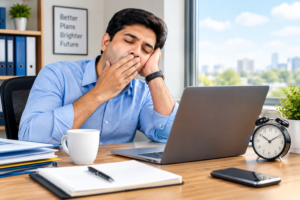
Common Symptoms of Excessive Daytime Sleepiness
The symptoms of EDS can differ from person to person. Common signs include:
Frequent daytime sleepiness
The person feels sleepy repeatedly during the day, even after apparently getting enough sleep at night.
Unintentional naps
A person may fall asleep without planning to, particularly during quiet or repetitive activities.
Difficulty staying alert
Maintaining attention during meetings, classes, reading, or television may become difficult.
Poor concentration
Sleepiness can make it harder to focus on tasks or remember information.
Slow thinking or reduced alertness
Some people may feel mentally slowed when they are very sleepy.
Frequent yawning
Repeated yawning can accompany sleepiness, although yawning by itself does not establish the presence of a sleep disorder.
Feeling sleepy after waking
Some people with certain sleep disorders may continue to feel excessively sleepy even after a long night’s sleep.
If these symptoms occur regularly and interfere with normal life, it is worth discussing them with a healthcare professional.
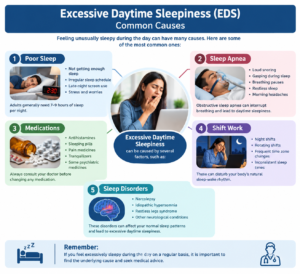
What Causes Excessive Daytime Sleepiness?
There is no single cause of EDS. Several factors can contribute to excessive sleepiness.
Not Getting Enough Sleep
One of the simplest causes is insufficient sleep.
People may sleep less because of:
- Work demands
- Late-night screen use
- Social activities
- Family responsibilities
- Studying
- Long working hours
- Irregular schedules
Adults generally need around 7–9 hours of sleep, although individual sleep needs vary.
Poor Sleep Quality
A person may spend enough time in bed but still have poor-quality sleep.
Repeated nighttime awakenings can prevent the body and brain from getting adequate restorative sleep.
Snoring, gasping, choking sounds, or observed pauses in breathing may indicate a sleep-related breathing disorder such as obstructive sleep apnea.
Obstructive Sleep Apnea
Obstructive sleep apnea (OSA) occurs when the airway becomes blocked or narrowed during sleep, causing repeated interruptions in breathing.
Possible symptoms include:
- Loud snoring
- Gasping during sleep
- Restless sleep
- Morning headaches
- Daytime sleepiness
A sleep study may be needed to confirm sleep apnea.
Narcolepsy
Narcolepsy is a neurological sleep disorder associated with extreme daytime sleepiness and episodes of falling asleep during the day.
Some people with narcolepsy also experience cataplexy, a sudden loss of muscle control triggered by strong emotions. Other symptoms can include sleep paralysis and vivid dream-like experiences around sleep.
Idiopathic Hypersomnia
Idiopathic hypersomnia is a sleep disorder in which a person experiences excessive daytime sleepiness without an obvious underlying cause.
People may have difficulty waking up, need prolonged sleep, and find that daytime naps do not make them feel refreshed.
Irregular Sleep Schedule
Shift work, night work, frequent changes in working hours, and travelling across time zones can disturb the body’s sleep-wake rhythm.
An inconsistent bedtime and wake-up time may also make it harder to maintain healthy sleep.
Certain Medicines
Some medicines can cause drowsiness. Examples include:
- Antihistamines
- Sleeping medicines
- Tranquilizers
- Pain medicines
- Psychiatric medicines
Never stop or change a prescribed medicine on your own. Discuss possible sleepiness as a side effect with your healthcare professional.
Other Medical Conditions
Excessive sleepiness may sometimes be associated with other medical conditions, including an underactive thyroid, diabetes, chronic pain, or other health problems.
EDS vs Normal Tiredness: What Is the Difference?
Feeling tired occasionally is normal.
For example, you might feel sleepy after:
- Staying awake late
- Travelling
- Working for many hours
- Exercising heavily
- Having a short night of sleep
This type of sleepiness may improve after adequate rest.
Excessive daytime sleepiness, however, is more concerning when it happens repeatedly, occurs despite adequate opportunity for sleep, or affects work, learning, relationships, or safety.
If you regularly struggle to stay awake during normal daytime activities, it is sensible to investigate the reason rather than simply relying on caffeine or forcing yourself to stay awake.
How Is Excessive Daytime Sleepiness Diagnosed?
There is no single test that explains every case of EDS.
A healthcare professional may begin by asking about:
- Your usual bedtime and wake-up time
- How many hours you sleep
- Nighttime awakenings
- Snoring
- Breathing problems during sleep
- Daytime naps
- Medicines and supplements
- Alcohol or other substances
- Work schedule
- Other medical symptoms
A physical examination and selected blood tests may also be recommended when another medical condition is suspected. Tests can include thyroid testing, blood counts, blood glucose, electrolytes, or other investigations depending on the person’s symptoms.
Sleep Diary
A sleep diary can help record:
- Bedtime
- Wake-up time
- Nighttime awakenings
- Naps
- Caffeine intake
- Exercise
- Daytime sleepiness
Keeping a sleep diary for several days can provide useful information for a healthcare professional.
Sleep Studies
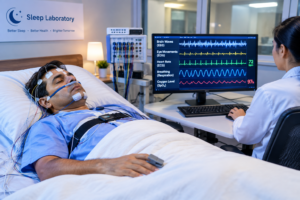
A polysomnography, commonly called a sleep study, records several body functions during sleep. These can include brain activity, eye movements, heart rate, breathing, oxygen levels, and muscle activity.
A Multiple Sleep Latency Test (MSLT) may also be used in selected cases to measure how quickly someone falls asleep during scheduled daytime naps. It can be particularly useful when evaluating conditions such as narcolepsy.
Treatment for Excessive Daytime Sleepiness
Treatment depends on the underlying cause.
There is no single treatment that works for everyone with EDS.
Treating Sleep Apnea
When obstructive sleep apnea is responsible for daytime sleepiness, treatment focuses on improving breathing during sleep.
Depending on the individual situation, treatment may include lifestyle changes, positive airway pressure therapy such as CPAP, or other medical approaches.
Treating Narcolepsy
Narcolepsy can be managed with a combination of lifestyle measures and prescribed medicines. The exact treatment depends on the person’s symptoms and medical circumstances.
Treating Idiopathic Hypersomnia
Treatment for idiopathic hypersomnia may include prescribed wake-promoting or other medicines, together with measures that support safer and more regular sleep. Treatment should be supervised by an appropriate healthcare professional.
Reviewing Medicines
If a medicine is contributing to sleepiness, a healthcare professional may consider changing the timing, dosage, or medicine when appropriate.
Do not discontinue prescription medication without medical advice.
Treating an Underlying Health Problem
If EDS is associated with a thyroid problem, sleep disorder, chronic pain, mental health condition, or another medical issue, treating the underlying problem may improve daytime alertness.
Lifestyle Tips That May Help Reduce Daytime Sleepiness
Healthy sleep habits can be helpful, especially when insufficient or irregular sleep contributes to daytime sleepiness.
Maintain a Regular Sleep Schedule
Try to go to bed and wake up at approximately the same time every day.
Create a Comfortable Bedroom
Keep the bedroom dark, quiet, and comfortable.
Reduce Late-Night Stimulation
Limit activities that keep your mind highly active close to bedtime.
Exercise Regularly
Regular physical activity can support healthy sleep. Avoid exercising very close to bedtime if it makes it difficult for you to fall asleep.
Be Careful With Caffeine
Caffeine can interfere with sleep in some people, particularly when consumed later in the day.
Limit Alcohol Near Bedtime
Alcohol can interfere with normal sleep quality and may worsen some sleep-related problems.
Avoid Driving When Sleepy
This is especially important.
If you feel sleepy while driving, do not try to force yourself to continue. Pull over somewhere safe and obtain adequate rest or use another safe means of transportation. Drowsiness can create serious safety risks.
Can Excessive Daytime Sleepiness Be Prevented?
Not every case of EDS can be prevented because some sleep disorders and medical conditions require professional treatment.
However, healthy sleep habits may reduce sleepiness related to insufficient or poor-quality sleep.
Helpful habits include:
- Maintain a consistent sleep schedule.
- Give yourself enough time to sleep.
- Keep your sleeping environment comfortable.
- Exercise regularly.
- Avoid excessive caffeine late in the day.
- Avoid alcohol close to bedtime.
- Review medicines that may cause drowsiness with your healthcare professional.
- Seek medical advice if persistent sleepiness continues.
The goal is not simply to “fight” sleepiness but to understand why it is happening.
When Should You See a Doctor?
You should consider speaking with a healthcare professional if daytime sleepiness:
- Happens frequently
- Continues despite adequate sleep
- Interferes with work or study
- Causes problems with concentration
- Leads to unplanned naps
- Makes everyday activities difficult
- Is accompanied by loud snoring or breathing pauses
- Includes sudden episodes of falling asleep
- Occurs together with sudden muscle weakness
- Makes driving or operating machinery unsafe
Persistent daytime sleepiness may sometimes indicate a treatable sleep disorder or another medical problem.
Conclusion
Don’t dismiss excessive daytime sleepiness (EDS) as ordinary tiredness. Occasional sleepiness can result from a late night or a demanding day, but persistent or severe daytime sleepiness may signal inadequate sleep, poor-quality sleep, medication effects, a medical condition, or a sleep disorder.
The most important step is to identify the underlying cause. Keeping a regular sleep schedule and following healthy sleep habits may help, but persistent symptoms deserve professional evaluation.
Above all, take daytime sleepiness seriously when it affects safety. Do not drive or operate dangerous equipment when you are sleepy. With appropriate evaluation and treatment of the underlying cause, many people can improve their daytime alertness and quality of life.
Frequently Asked Questions
1. What is excessive daytime sleepiness?
Excessive daytime sleepiness (EDS) is an unusually strong tendency to feel sleepy or fall asleep during the daytime. It can occur because of insufficient sleep, poor-quality sleep, medicines, medical conditions, or sleep disorders.
2. Is EDS the same as being tired?
No. Tiredness or fatigue generally means low energy, while sleepiness means tending to fall asleep. A person can experience both at the same time.
3. What is the most common cause of daytime sleepiness?
Insufficient or poor-quality sleep is an important cause. However, persistent sleepiness can have many causes, including sleep apnea, narcolepsy, medications, medical conditions, and irregular sleep schedules.
4. Can sleep apnea cause excessive daytime sleepiness?
Yes. Obstructive sleep apnea can repeatedly disturb breathing during sleep and is associated with daytime sleepiness.
5. Is excessive daytime sleepiness a symptom of narcolepsy?
Yes. Excessive daytime sleepiness is a major symptom of narcolepsy. Some people also experience cataplexy and other sleep-related symptoms.
6. Can medicines cause EDS?
Yes. Some medicines can cause drowsiness, including certain antihistamines, sleeping medicines, pain medicines, and psychiatric medicines. Speak with your healthcare professional before making medication changes.
7. Can lifestyle changes reduce daytime sleepiness?
They may help when insufficient or poor-quality sleep contributes to sleepiness. A regular sleep schedule, adequate sleep, regular exercise, and a healthy sleep environment can support better sleep.
8. Should I drive if I have EDS?
You should not drive when you are sleepy. Daytime drowsiness can impair alertness and create a serious safety risk.
9. How is EDS diagnosed?
A healthcare professional may review your sleep history, medicines, health conditions, and symptoms. Depending on the situation, blood tests, a sleep study, or a Multiple Sleep Latency Test may be recommended.
10. Can excessive daytime sleepiness be treated?
Yes, treatment is possible in many cases, but it depends on the cause. Treatment may involve improving sleep habits, treating sleep apnea or another sleep disorder, reviewing medicines, or managing an underlying medical condition.
Reference: https://en.wikipedia.org/wiki/Excessive_daytime_sleepiness
For the Sorcerer, “Chaos Bolt” is a low-level spell that introduces a fun gambling mechanic with damage types. It is exclusive to Sorcerers and adds to their chaotic nature. New players often search for the Xanathar’s Guide to Everything PDF just to get the details of this specific spell. It represents the wild magic aspect of the class perfectly, making every casting a moment of suspense. https://xanatharsguidetoeverythingpdf.store/ Xanathar’s Guide To Everything Pdf Torrent