

Anaphylaxis (तीव्रग्राहिता) is a serious, potentially fatal allergic reaction that can progress rapidly. It typically causes one or more of the following: an itchy rash; throat closing due to swelling that can obstruct or stop breathing; severe tongue swelling that can also interfere with or stop breathing; shortness of breath; vomiting; lightheadedness; loss of consciousness; low blood pressure; and medical shock.
The symptoms typically start in minutes to hours and then increase very rapidly to life-threatening levels. Urgent medical treatment is required to prevent serious harm and death, even if the patient has used an epinephrine autoinjector or has taken other medications in response, and even if symptoms appear to be improving.
Worldwide, 0.05–2% of the population is estimated to experience anaphylaxis at some point in life. Globally, as underreporting declined in the 2010s, the rate appeared to be increasing. It occurs most often in young people and females. About 99.7% of people hospitalized with anaphylaxis in the United States survive.
Anaphylaxis: A Complete Guide to Symptoms, Causes, Emergency Treatment, and Prevention
Anaphylaxis is one of the most serious medical emergencies caused by an allergic reaction. Unlike mild allergies that may cause itching or sneezing, anaphylaxis develops rapidly and can affect multiple organs simultaneously. Without immediate treatment, it can become life-threatening within minutes.
Although anaphylaxis is relatively uncommon, its severity makes awareness essential. Every year, thousands of people worldwide require emergency medical treatment because of severe allergic reactions triggered by foods, medications, insect stings, latex, or other allergens. Fortunately, prompt recognition and timely administration of epinephrine can dramatically improve survival.
Understanding the early warning signs of anaphylaxis can save lives—not only your own but also those of family members, friends, coworkers, or even strangers. Knowing how to respond during an emergency is just as important as understanding what causes the condition.
This comprehensive guide explains everything you need to know about anaphylaxis, including its causes, symptoms, diagnosis, emergency treatment, prevention strategies, and practical steps for living safely with severe allergies.
What Is Anaphylaxis?
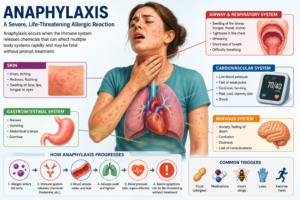
Anaphylaxis is a severe, rapid-onset allergic reaction that affects multiple body systems simultaneously. It occurs when the immune system overreacts to a normally harmless substance, releasing large amounts of chemicals such as histamine into the bloodstream.
These chemicals cause:
- Sudden widening of blood vessels
- Rapid fall in blood pressure
- Swelling of the throat and airways
- Difficulty breathing
- Skin reactions
- Digestive symptoms
- Cardiovascular complications
Because these changes occur quickly, anaphylaxis is considered a medical emergency requiring immediate treatment with epinephrine and urgent medical care.
Without prompt treatment, anaphylaxis may progress to respiratory failure, shock, cardiac arrest, or death.
How Common Is Anaphylaxis?
Although relatively uncommon, anaphylaxis is becoming more frequent worldwide due to increasing rates of allergies.
It can occur at any age, including:
- Infants
- Children
- Teenagers
- Adults
- Older adults
Some individuals experience only one episode during their lifetime, while others may have repeated episodes if exposed to the triggering allergen.
People with asthma or severe food allergies have a higher risk of developing life-threatening reactions.
How Does Anaphylaxis Develop?
Normally, the immune system protects the body from harmful bacteria, viruses, and parasites.
However, in allergic individuals, the immune system mistakenly identifies harmless substances as dangerous.
During exposure:
- The allergen enters the body.
- Immunoglobulin E (IgE) antibodies recognize the allergen.
- Mast cells and basophils release histamine and other inflammatory chemicals.
- Blood vessels widen rapidly.
- Fluid leaks into tissues.
- Blood pressure falls.
- Airways become swollen.
- Breathing becomes difficult.
These reactions may develop within seconds or minutes after exposure.
Common Causes of Anaphylaxis
Many different allergens can trigger anaphylaxis.
Food Allergies
Food is among the most common causes, especially in children.
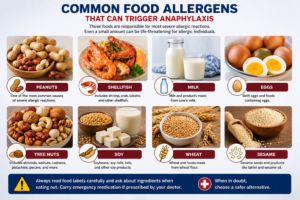
Common trigger foods include:
- Peanuts
- Tree nuts
- Milk
- Eggs
- Fish
- Shellfish
- Soy
- Wheat
- Sesame
Even tiny amounts may trigger a severe reaction in highly sensitive individuals.
Medications
Several medicines may cause severe allergic reactions, including:
- Antibiotics
- Pain relievers
- General anesthetics
- Contrast dyes used during CT scans
- Certain chemotherapy drugs
People who have previously reacted to a medication are at increased risk of future reactions.
Insect Stings
Bee, wasp, hornet, yellow jacket, and fire ant stings are common causes of anaphylaxis.
Some individuals experience only localized swelling, while others develop severe whole-body reactions.

Latex Allergy
Natural rubber latex found in:
- Medical gloves
- Balloons
- Catheters
- Elastic products
Can trigger severe allergic reactions in susceptible individuals.
Healthcare workers are at greater risk because of repeated exposure.
Exercise-Induced Anaphylaxis
Although rare, vigorous exercise alone—or exercise following certain foods or medications—can trigger anaphylaxis.
Symptoms usually begin during physical activity or shortly afterward.
Unknown Causes (Idiopathic Anaphylaxis)
Sometimes doctors cannot identify the exact trigger despite extensive testing.
This condition is known as idiopathic anaphylaxis.
Patients may require long-term follow-up with an allergy specialist.
Risk Factors
Certain factors increase the likelihood of experiencing anaphylaxis.
Previous Anaphylaxis
Having experienced one episode significantly increases the risk of another.
Future reactions may become even more severe.
Asthma
Poorly controlled asthma increases the risk of life-threatening breathing problems during anaphylaxis.
Food Allergies
Individuals allergic to peanuts, tree nuts, shellfish, or multiple foods have an elevated risk.
Mast Cell Disorders
Certain rare diseases involving mast cells make severe allergic reactions more likely.
Family History
Although anaphylaxis itself is not directly inherited, a family history of allergies or asthma may increase susceptibility.
Who Is Most at Risk?
Higher-risk groups include:
- Children with food allergies
- Adults with medication allergies
- Individuals with asthma
- Healthcare workers with a latex allergy
- Beekeepers
- Outdoor workers
- Campers
- Gardeners
- People with previous severe allergic reactions
Why Is Anaphylaxis So Dangerous?
The greatest danger is the speed with which symptoms develop.
Within minutes, a person may experience:
- Severe airway swelling
- Difficulty breathing
- Rapid fall in blood pressure
- Loss of consciousness
- Cardiac arrest
Immediate treatment with epinephrine is the most effective way to stop the reaction.
Delaying treatment increases the risk of serious complications and death.
Key Takeaways
- Anaphylaxis is a life-threatening allergic emergency.
- Symptoms usually begin within minutes of exposure to an allergen.
- Foods, medications, insect stings, latex, and exercise are common triggers.
- Individuals with asthma or previous severe allergic reactions are at increased risk.
- Early recognition and prompt administration of epinephrine are essential to improve outcomes.
Symptoms, Diagnosis, Emergency Treatment, and First Aid for Anaphylaxis
Symptoms of Anaphylaxis
Anaphylaxis usually develops within seconds or minutes after exposure to an allergen, although in some cases symptoms may appear after 30 minutes to an hour. The reaction can worsen very quickly, making early recognition critical.
Symptoms often affect more than one body system at the same time.
Skin Symptoms
Skin changes are among the earliest signs of anaphylaxis and occur in approximately 80–90% of cases.
Common skin symptoms include:
- Hives (raised, itchy welts)
- Redness or flushing of the skin
- Severe itching
- Swelling of the lips, tongue, eyelids, or face
- Warm sensation over the body
However, it is important to remember that not everyone with anaphylaxis develops hives or a rash. A severe reaction can occur without any visible skin symptoms.
Respiratory Symptoms
Breathing problems are one of the most dangerous features of anaphylaxis.
Symptoms may include:
- Shortness of breath
- Wheezing
- Persistent coughing
- Chest tightness
- Hoarse voice
- Difficulty speaking
- Swelling of the throat
- Difficulty swallowing
- Noisy breathing (stridor)
Airway swelling can rapidly progress, making breathing increasingly difficult. This is one of the main reasons why anaphylaxis is considered a life-threatening emergency.
Cardiovascular Symptoms
Anaphylaxis affects blood circulation by causing blood vessels to widen and become leaky.
Possible symptoms include:
- Sudden drop in blood pressure
- Weak or rapid pulse
- Dizziness
- Lightheadedness
- Fainting
- Pale, cool, or clammy skin
- Shock
- Cardiac arrest in severe cases
Gastrointestinal Symptoms
Digestive symptoms are particularly common when food allergies trigger anaphylaxis.
These include:
- Nausea
- Vomiting
- Severe abdominal cramps
- Diarrhea
- Stomach pain
These symptoms may occur before breathing difficulties develop.
Neurological Symptoms
Reduced blood flow to the brain and the body’s response to severe allergic reactions may cause:
- Anxiety
- Feeling of impending doom
- Confusion
- Restlessness
- Difficulty concentrating
- Loss of consciousness
Many patients describe an overwhelming sensation that “something is terribly wrong” shortly before symptoms worsen.
Symptoms in Children
Children may not be able to describe their symptoms clearly.
Parents should watch for:
- Persistent crying
- Sudden irritability
- Excessive sleepiness
- Difficulty breathing
- Swollen lips or tongue
- Vomiting after eating
- Refusal to eat
- Pale appearance
- Collapse
Infants may become limp and unusually quiet.
When Should You Suspect Anaphylaxis?
Seek emergency medical treatment immediately if a person develops:
- Difficulty breathing after exposure to an allergen
- Swelling of the tongue or throat
- Rapid fall in blood pressure
- Loss of consciousness
- Severe allergic symptoms involving two or more body systems
Do not wait for symptoms to improve on their own.
Biphasic Anaphylaxis
Sometimes symptoms return after the initial reaction appears to have resolved.
This is known as biphasic anaphylaxis.
The second reaction may occur:
- Within 1–12 hours
- Occasionally up to 72 hours later
For this reason, patients are often observed in a hospital for several hours after treatment, depending on the severity of the reaction and their risk factors.
How Is Anaphylaxis Diagnosed?
There is no single laboratory test that confirms anaphylaxis during an emergency. Doctors primarily diagnose it based on the person’s symptoms and recent exposure to a likely allergen.
Medical History
Your healthcare provider will ask about:
- Foods recently eaten
- Medications taken
- Insect stings or bites
- Latex exposure
- Previous allergic reactions
- Existing allergies
- Asthma or other medical conditions
Physical Examination
The doctor will assess:
- Airway swelling
- Breathing difficulty
- Blood pressure
- Heart rate
- Skin changes
- Oxygen levels
Blood Tests
Although not used to make immediate treatment decisions, certain blood tests may help support the diagnosis later.
These include:
- Serum tryptase
- Histamine levels (less commonly used)
These tests are most useful when collected within a few hours after symptom onset.
Allergy Testing
Once the patient has recovered, an allergist may recommend tests to identify the trigger.
These may include:
- Skin prick testing
- Specific IgE blood tests
- Oral food challenges (performed only under close medical supervision)
Identifying the trigger is essential to help prevent future reactions.
Emergency Treatment of Anaphylaxis
Anaphylaxis requires immediate emergency treatment. Delays increase the risk of serious complications and death.
Epinephrine: The First-Line Treatment
Epinephrine (adrenaline) is the most effective and important treatment for anaphylaxis.
It works by:
- Relaxing the muscles in the airways
- Reducing throat swelling
- Raising blood pressure
- Improving breathing
- Slowing the progression of the allergic reaction
Early administration of epinephrine significantly improves outcomes.
How Is Epinephrine Given?
Epinephrine is injected into the outer thigh muscle using an auto-injector or a syringe.
If symptoms do not improve, a second dose may be given after 5–15 minutes, as advised by emergency medical professionals.
Other Emergency Treatments
After epinephrine, healthcare providers may administer additional treatments, including:
Oxygen Therapy
Extra oxygen helps improve oxygen delivery to the body’s tissues.
Intravenous (IV) Fluids
Large amounts of IV fluids may be needed to restore blood pressure.
Bronchodilators
Inhaled medications may help relieve wheezing in some patients, especially those with asthma.
Antihistamines
These can reduce itching and hives but should never replace epinephrine.
Corticosteroids
Steroids may help reduce prolonged inflammation, although they do not act quickly enough to treat the initial emergency.
First Aid for Anaphylaxis
Knowing what to do can save a life.
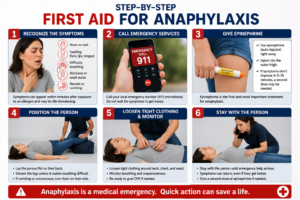
Follow these steps:
Step 1: Call Emergency Medical Services
Call your local emergency number immediately, even if symptoms appear to improve after epinephrine.
Step 2: Administer Epinephrine
Use the epinephrine auto-injector without delay.
Do not wait to see if symptoms worsen.
Step 3: Lay the Person Flat
Unless breathing is difficult, lay the person on their back with their legs elevated.
This helps maintain blood flow to vital organs.
If vomiting occurs, turn the person onto their side to reduce the risk of choking.
Pregnant patients should be positioned on their left side whenever possible.
Step 4: Loosen Tight Clothing
Remove anything that may restrict breathing.
Step 5: Monitor Breathing
Watch for:
- Worsening breathing
- Loss of consciousness
- Absence of a pulse
If necessary, begin CPR if you are trained and the person is unresponsive and not breathing normally.
Step 6: Stay With the Person
Never leave someone experiencing anaphylaxis alone until medical help arrives.
What Should You Avoid During an Anaphylactic Reaction?
Avoid these common mistakes:
- Do not delay giving epinephrine.
- Do not rely only on antihistamines.
- Do not allow the person to stand or walk suddenly, as this can worsen low blood pressure.
- Do not give food or drinks if the person has difficulty swallowing.
- Do not assume symptoms have resolved permanently after initial improvement.
Recovery After Anaphylaxis
Most patients recover completely with prompt treatment.
However, recovery may involve:
- Observation in the emergency department
- Adjustment of allergy medications
- Prescription of an epinephrine auto-injector
- Referral to an allergy specialist
- Education about avoiding known triggers
Patients who have experienced anaphylaxis should always have a personalized emergency action plan and know when and how to use their epinephrine auto-injector.
Key Takeaways
- Anaphylaxis symptoms usually appear within minutes and can worsen rapidly.
- Symptoms may involve the skin, lungs, heart, digestive system, and nervous system.
- Epinephrine is the first and most important treatment for anaphylaxis.
- Antihistamines and steroids are supportive treatments and should never replace epinephrine.
- Immediate medical attention is essential, even if symptoms improve after treatment.
- Prompt recognition, rapid treatment, and careful monitoring greatly improve the chances of a full recovery.
Prevention, Complications, and Living with Anaphylaxis
Preventing Anaphylaxis
The most effective way to prevent anaphylaxis is to identify and avoid the allergen that triggers the reaction. If you have experienced anaphylaxis before, work closely with your healthcare provider or an allergist to develop a personalized prevention plan.
Although it may not always be possible to avoid every trigger, careful planning can significantly reduce the risk of another severe allergic reaction.
Identify Your Triggers
After recovering from an anaphylactic episode, your doctor may recommend allergy testing to determine the exact cause. Common triggers include:
- Peanuts and tree nuts
- Shellfish and fish
- Milk, eggs, soy, wheat, and sesame
- Certain medications, such as antibiotics or pain relievers
- Insect stings (bees, wasps, hornets, fire ants)
- Latex
- Exercise combined with specific foods or medications
Knowing your triggers allows you to make informed decisions and avoid accidental exposure.
Read Food Labels Carefully
Food allergies are among the leading causes of anaphylaxis, especially in children.
Always:
- Read ingredient labels before purchasing packaged foods.
- Check labels every time, as manufacturers may change ingredients.
- Be cautious of precautionary statements such as “May contain peanuts” or “Processed in a facility that also handles tree nuts.”
- Ask restaurant staff about ingredients and food preparation methods to avoid cross-contamination.
When in doubt, choose a safer alternative.
Inform Others About Your Allergy
People around you should know about your allergy and understand how to respond during an emergency.
Inform:
- Family members
- Friends
- Teachers
- School staff
- Employers
- Coworkers
- Coaches
- Caregivers
Explain your triggers and, if necessary, show them how to use your epinephrine auto-injector.
Carry an Epinephrine Auto-Injector
Anyone who has had anaphylaxis should carry two epinephrine auto-injectors at all times if prescribed.
Remember to:
- Check the expiration date regularly.
- Replace expired devices promptly.
- Store them at room temperature.
- Avoid exposing them to extreme heat or cold.
- Learn the correct injection technique and practice with a trainer device if available.
Do not leave your auto-injector at home, in your car, or in checked luggage while traveling.
Wear a Medical Identification Bracelet
A medical ID bracelet or necklace can quickly alert healthcare professionals and bystanders to your allergy if you are unable to communicate.
Your identification should include:
- Your allergy
- History of anaphylaxis
- Emergency contact information
- Other important medical conditions, if applicable
Create an Emergency Action Plan
An allergy action plan outlines what to do if symptoms occur.
It should include:
- Known allergens
- Early warning signs
- When to administer epinephrine
- Emergency contact numbers
- Instructions for calling emergency medical services
- Follow-up medical care
Provide copies to schools, workplaces, and caregivers.
Special Considerations
Children with Anaphylaxis
Children depend on adults to recognize symptoms and respond quickly.
Parents should:
- Inform teachers and school nurses about the child’s allergy.
- Provide updated epinephrine auto-injectors to the school.
- Teach children, when age-appropriate, never to share food or accept food from others without checking ingredients.
- Encourage children to tell an adult immediately if they feel unwell after eating or being stung by an insect.
Schools should have clear emergency procedures for managing severe allergic reactions.
Older Adults
Older adults may face additional challenges because they often have other medical conditions, such as heart disease or asthma, that can complicate treatment.
They may also take medications that affect the body’s response to epinephrine.
Regular medical follow-up is important to ensure that allergy management remains safe and effective.
Pregnancy
Pregnant women with severe allergies should discuss anaphylaxis management with their healthcare provider.
Prompt treatment with epinephrine remains the recommended first-line therapy during pregnancy because untreated anaphylaxis poses serious risks to both the mother and the baby.
Possible Complications of Anaphylaxis
Without immediate treatment, anaphylaxis can lead to life-threatening complications.
These may include:
Airway Obstruction
Swelling of the throat and tongue can completely block airflow, making breathing impossible.
Anaphylactic Shock
A sudden drop in blood pressure may reduce blood flow to vital organs, leading to shock.
Respiratory Failure
Severe airway narrowing may prevent adequate oxygen from reaching the lungs.
Cardiac Arrest
If the heart does not receive enough oxygen or blood pressure falls dramatically, it may stop beating effectively.
Brain Injury
Prolonged oxygen deprivation can damage the brain.
Death
Fatal anaphylaxis is uncommon but can occur if treatment is delayed or unavailable.
Fortunately, prompt administration of epinephrine greatly reduces the risk of these complications.
Living with Anaphylaxis
A diagnosis of anaphylaxis can be overwhelming, but many people lead active, healthy lives by taking sensible precautions.
Everyday Tips
- Always carry your prescribed epinephrine auto-injectors.
- Read food labels carefully.
- Inform healthcare providers about medication allergies.
- Ask about ingredients before eating at restaurants.
- Keep emergency contact information readily available.
- Schedule regular follow-up appointments with your allergist.
- Replace expired medications on time.
- Avoid known triggers whenever possible.
Preparedness is the key to staying safe.
When Should You Seek Immediate Medical Care?
Call emergency medical services immediately if you or someone else experiences:
- Difficulty breathing
- Swelling of the lips, tongue, or throat
- Wheezing or persistent coughing after allergen exposure
- Fainting or loss of consciousness
- Rapid drop in blood pressure
- Symptoms affecting more than one body system
Even if symptoms improve after using epinephrine, medical evaluation is essential because symptoms may recur.
Conclusion
Anaphylaxis is a medical emergency that requires immediate recognition and treatment. Although it can develop rapidly and become life-threatening within minutes, prompt administration of epinephrine and urgent medical care can save lives and significantly improve outcomes.
Understanding the warning signs, identifying personal triggers, carrying an epinephrine auto-injector, and having a well-practiced emergency action plan are the cornerstones of effective anaphylaxis management. Education is equally important—family members, teachers, coworkers, and caregivers should know how to recognize symptoms and respond quickly in an emergency.
With proper medical guidance, regular follow-up, and careful avoidance of known allergens, most people with severe allergies can live full, active, and confident lives. Being prepared is not about living in fear—it is about having the knowledge and tools to act decisively when every second counts.
Frequently Asked Questions (FAQs)
1. What is the first sign of anaphylaxis?
The first signs often include itching, hives, flushing, swelling of the lips or face, or a sudden feeling of warmth. In some people, difficulty breathing or throat tightness may be the earliest symptom.
2. How quickly does anaphylaxis occur?
Symptoms usually begin within minutes of exposure to an allergen, but they may occasionally develop after 30 minutes to an hour. Rapid treatment is critical regardless of when symptoms start.
3. Can antihistamines treat anaphylaxis?
No. Antihistamines may help relieve itching or hives, but do not treat airway swelling or dangerously low blood pressure. Epinephrine is the first-line treatment.
4. Can anaphylaxis happen more than once?
Yes. A person who has experienced anaphylaxis remains at risk for future episodes if exposed to the same allergen. Some individuals may also experience a biphasic reaction, where symptoms return after initial improvement.
5. Is anaphylaxis hereditary?
Anaphylaxis itself is not inherited. However, a family history of allergies, asthma, or eczema may increase the likelihood of developing allergic conditions.
6. Can children outgrow food allergies?
Some food allergies, such as those to milk or eggs, may resolve over time, while allergies to peanuts, tree nuts, fish, and shellfish are often lifelong. Regular evaluation by an allergist can help determine whether an allergy has changed.
7. Is it safe to exercise after experiencing anaphylaxis?
Most people can return to normal physical activity once they have fully recovered and their doctor approves. Individuals with exercise-induced anaphylaxis may need specific precautions, such as avoiding exercise after eating certain foods or taking particular medications.
Reference: https://en.wikipedia.org/wiki/Anaphylaxis