
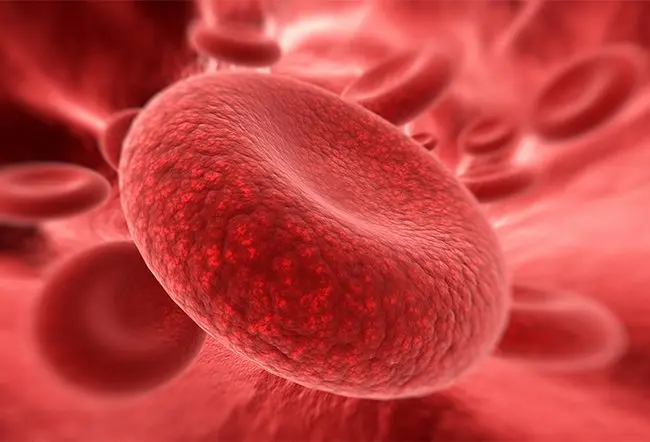
Platelets (प्लेटलेट्स) or thrombocytes (थ्रोम्बोसाइट्स) are a part of blood whose function (along with the coagulation factors) is to react to bleeding from blood vessel injury by clumping to form a blood clot. Platelets have no cell nucleus; they are fragments of cytoplasm from megakaryocytes, which reside in bone marrow or lung tissue and then enter the circulation. One major function of platelets is to contribute to hemostasis: the process of stopping bleeding at the site where the lining of vessels (endothelium) has been interrupted. Platelets participate in both innate and adaptive intravascular immune responses. In addition to facilitating the clotting process, platelets contain cytokines and growth factors that can promote wound healing and regeneration of damaged tissues.
Platelets Meaning
Platelets, also known as thrombocytes, are tiny, disc-shaped blood cells that play a crucial role in blood clotting. Their primary function is to stop bleeding in the event of an injury. When a blood vessel is damaged, platelets quickly gather at the site, stick to the vessel wall, and form a plug to control bleeding. They also release chemicals that help strengthen the clot.

Platelets Structure
Platelets are small, disc-shaped, non-nucleated (without a nucleus) cell fragments. Although tiny, they have a complex internal structure that enables them to react quickly during bleeding. Here is a clear and detailed explanation:
Size and Shape
-
Platelets are 2–3 micrometers in diameter.
-
In a resting state, they are smooth and disc-shaped (discoid).
-
When activated, they change shape into spiky, irregular forms to help in clotting.
No Nucleus
-
Platelets lack a nucleus, meaning they cannot undergo cell division.
-
They are fragments of large bone marrow cells called megakaryocytes.
Outer Plasma Membrane
-
The surface is covered with glycoprotein receptors (e.g., GPIb, GPIIb/IIIa).
-
These receptors help platelets adhere to damaged vessels and to one another.
-
The membrane also has a phospholipid layer essential for clotting factors to work.
Open Canalicular System (OCS)
-
A network of channels connected to the surface.
-
It helps platelets release stored chemicals quickly during activation.
Dense Tubular System (DTS)
-
Stores calcium ions and plays a role in platelet activation.
-
Similar to the smooth endoplasmic reticulum.
Cytoplasm (Inside Area)
Contains important structures:
Granules
Platelets contain three major types of granules:
-
Alpha granules
-
Contain clotting proteins (fibrinogen, von Willebrand factor)
-
Growth factors (PDGF, TGF-β)
-
Important for wound healing
-
-
Dense granules
-
Contain ADP, ATP, calcium, serotonin
-
Help in platelet activation and aggregation
-
-
Lysosomal granules
-
Contain enzymes for breaking down substances during healing
-
Cytoskeleton
-
Composed of actin and myosin filaments
-
Helps platelets change shape and move
Mitochondria
-
Provide energy (ATP) for platelet activities
-
Even though they lack a nucleus, platelets have functional mitochondria
In Simple Words
Platelets may be tiny fragments, but they contain:
-
No nucleus
-
A special membrane with receptors
-
Channels for releasing chemicals
-
Granules full of clotting substances
-
A flexible internal skeleton
These features enable them to detect injuries, adhere to damaged surfaces, and form blood clots quickly.
Platelets Purpose
The primary purpose of platelets (thrombocytes) is to prevent blood loss by forming clots whenever there is damage to a blood vessel. They are essential for hemostasis, the body’s natural process of stopping bleeding. Below is a clear, detailed explanation:
Stop Bleeding (Hemostasis)
This is the main purpose of platelets.
When a blood vessel is injured:
-
Platelets immediately rush to the site.
-
They stick (adhere) to the damaged vessel wall.
-
They activate and change shape.
-
They clump together (aggregate) to form a temporary plug.
This platelet plug prevents excessive bleeding.
Form Blood Clots
Platelets provide a surface for clotting factors to work and help convert fibrinogen into fibrin. Fibrin strands strengthen the platelet plug and form a stable clot.
Repair and Healing
Platelets release growth factors from alpha granules, such as:
-
PDGF (platelet-derived growth factor)
-
TGF-β (transforming growth factor beta)
These substances help in:
-
Tissue repair
-
Wound healing
-
Regeneration of blood vessels (angiogenesis)
Defense Against Infections
Platelets contribute to immunity by:
-
Releasing antimicrobial proteins
-
Interacting with white blood cells
-
Helping trap and kill microbes at injury sites
Maintaining Blood Vessel Integrity
Platelets constantly circulate and help repair tiny micro-tears in blood vessel walls. This maintains the overall health and stability of the circulatory system.
In Simple Words
Platelets help your body by:
-
Stopping bleeding
-
Forming clots
-
Healing wounds
-
Supporting immunity
-
Protecting blood vessels

Clinical Significance of Platelets
Platelets play a vital role in diagnosing, monitoring, and managing many medical conditions. Their levels and function provide important clues about a person’s health, especially related to bleeding, clotting, bone marrow activity, and certain diseases. Below is a clear and comprehensive explanation:
Assessing Bleeding Risk
Low platelet count (thrombocytopenia) increases the risk of:
-
Easy bruising
-
Gum/nose bleeding
-
Heavy menstrual bleeding
-
Internal bleeding
-
Life-threatening hemorrhage (very low levels)
Clinical importance: Doctors check platelet count before surgeries to ensure the patient will not bleed excessively.
Assessing Clotting Risk
High platelet count (thrombocytosis) increases the risk of:
-
Blood clots (thrombosis)
-
Heart attack
-
Deep vein thrombosis (DVT)
Clinical importance: Thrombocytosis may indicate bone marrow disorders or inflammatory diseases.
Indicator of Bone Marrow Function
Platelet production happens in the bone marrow.
Changes in platelet count can signal:
-
Bone marrow failure
-
Aplastic anemia
-
Chemotherapy effects
-
Vitamin B12 or folate deficiency
Monitoring Diseases and Conditions
Platelets are used to monitor:
-
Dengue fever (platelets drop dangerously)
-
Immune thrombocytopenic purpura (ITP)
-
Liver disease (platelets often decrease)
-
Chronic inflammatory diseases
-
Myeloproliferative disorders
Evaluating Response to Treatment
Platelet levels help doctors evaluate:
-
The success of treatments like steroids in ITP
-
Bone marrow recovery after chemotherapy
-
Effectiveness of anticoagulant or antiplatelet therapy
-
Need for platelet transfusions in critical bleeding
Important in Pregnancy
Platelet count is monitored in pregnant women to detect:
-
Gestational thrombocytopenia
-
Preeclampsia
-
HELLP syndrome
Low platelets can endanger both mother and baby.
Drug Monitoring
Some medications affect platelets, such as:
-
Aspirin
-
Clopidogrel
-
Heparin (can cause HIT: Heparin-Induced Thrombocytopenia)
Monitoring platelet function or count is essential to prevent complications.
Immunological Role
Platelets participate in inflammation and immunity. High or low platelet counts can indicate:
-
Ongoing infection
-
Systemic inflammation
Diagnosing Bleeding Disorders
Platelet function tests help diagnose:
-
von Willebrand disease
-
Glanzmann thrombasthenia
-
Bernard–Soulier syndrome
-
Other platelet function defects
In Simple Words
Platelets are clinically important because they help doctors understand:
-
Your risk of bleeding
-
Your risk of clotting
-
How is your bone marrow working
-
Presence of infections or diseases
-
How well are treatments working
-
Health during pregnancy
What are the Low or High Platelets?
Low or High Platelets refer to abnormal platelet counts in the blood. Platelets are important for blood clotting, so any abnormality can lead to bleeding or clotting problems. Below is a clear and simple explanation:
Low Platelets (Thrombocytopenia)
Meaning:
Low platelets means the platelet count is below 150,000 per microliter of blood.
Common Causes:
-
Viral infections (e.g., dengue, HIV, hepatitis)
-
Bone marrow disorders
-
Autoimmune diseases (ITP)
-
Nutritional deficiencies (B12, folate)
-
Certain medications
-
Alcohol abuse
-
Enlarged spleen
Symptoms:
-
Easy bruising
-
Frequent nosebleeds
-
Gum bleeding
-
Heavy menstrual bleeding
-
Prolonged bleeding from cuts
-
Red or purple spots on skin (petechiae)
Risks:
-
Severe bleeding occurs when platelets fall below 20,000
-
Life-threatening internal bleeding when below 10,000
High Platelets (Thrombocytosis)
Meaning:
High platelets means the platelet count is above 450,000 per microliter.
Types:
-
Primary (Essential) Thrombocytosis
-
Caused by bone marrow disorders (myeloproliferative diseases)
-
-
Secondary (Reactive) Thrombocytosis
-
Caused by other conditions like infection, inflammation, iron deficiency, surgery, or trauma
-
Common Causes:
-
Chronic inflammation
-
Iron deficiency anemia
-
Cancer
-
Splenectomy (removal of spleen)
-
Infections
-
Bone marrow diseases
Symptoms:
Often no symptoms, but sometimes:
-
Headache
-
Dizziness
-
Chest pain
-
Tingling in hands/feet
Risks:
-
Blood clots (DVT, stroke, heart attack)
-
Rarely, bleeding (because platelets may not function properly)
Normal Platelet Count
150,000 – 450,000 per microliter
In Simple Words
-
Low platelets = bleeding risk
-
High platelets = clotting risk

What are the Disorders Related to Platelets?
Below is a clear, complete, and easy-to-understand list of the major disorders related to platelets. Platelet disorders can affect either the number of platelets or the function of platelets.
Disorders Due to Low Platelets (Thrombocytopenia)
Platelet count < 150,000/µL
a) Immune Thrombocytopenic Purpura (ITP)
-
An autoimmune condition where the body destroys its own platelets.
-
Causes bruising, bleeding, and petechiae.
b) Drug-Induced Thrombocytopenia
-
Caused by medications like heparin, antibiotics, antiepileptics, etc.
c) Heparin-Induced Thrombocytopenia (HIT)
-
Serious immune reaction to heparin.
-
Causes low platelets and increased clot risk.
d) Bone Marrow Disorders
-
Aplastic anemia
-
Leukemia
-
Myelodysplastic syndrome
-
Bone marrow suppression due to chemotherapy or radiation
e) Viral Infections
-
Dengue
-
HIV, hepatitis
-
COVID-19
-
EBV, CMV
(These reduce platelet production.)
f) Nutritional Deficiencies
-
Vitamin B12 deficiency
-
Folate deficiency
g) Hypersplenism / Enlarged Spleen
-
The spleen traps and destroys platelets.
Disorders Due to High Platelets (Thrombocytosis)
Platelet count > 450,000/µL
a) Essential Thrombocythemia
-
Bone marrow produces too many platelets.
-
Risk of blood clots and stroke.
b) Secondary (Reactive) Thrombocytosis
Due to:
-
Infection
-
Chronic inflammation
-
Iron deficiency anemia
-
Surgery or trauma
-
Cancer
-
Removal of spleen (splenectomy)
Disorders of Platelet Function (Qualitative Platelet Disorders)
Platelet count may be normal, but function is faulty.
a) von Willebrand Disease
-
Most common inherited bleeding disorder.
-
Platelets cannot stick properly to the vessel wall.
b) Glanzmann Thrombasthenia
-
Defective platelet aggregation due to GPIIb/IIIa receptor defect.
c) Bernard–Soulier Syndrome
-
Platelets cannot adhere due to GPIb deficiency.
-
Platelets are large and dysfunctional.
d) Storage Pool Disorders
-
Defects in platelet granules (alpha or dense granules).
e) Acquired Platelet Dysfunction
Caused by:
-
Drugs (aspirin, NSAIDs, clopidogrel)
-
Chronic kidney disease
-
Liver disease
-
Myeloproliferative disorders
Platelet Destruction Disorders
a) Thrombotic Thrombocytopenic Purpura (TTP)
-
Formation of small clots throughout the body.
-
Medical emergency.
b) Hemolytic Uremic Syndrome (HUS)
-
Often follows a bacterial infection.
-
Causes kidney failure and low platelets.
c) Disseminated Intravascular Coagulation (DIC)
-
Massive clotting + massive bleeding simultaneously.
-
Seen in sepsis, trauma, and pregnancy complications.
Platelet Production Disorders
a) Megakaryocyte Failure
-
Bone marrow produces fewer platelets.
b) Genetic Platelet Production Disorders
-
Wiskott–Aldrich syndrome
-
TAR syndrome (Thrombocytopenia Absent Radius)
In Simple Words
Platelet disorders arise due to:
-
Too few platelets → bleeding
-
Too many platelets → clotting
-
Platelets not working properly → bleeding
-
Platelets are destroyed too quickly, → bleeding or clotting depending on the condition
How are Platelets Diagnosed?
Platelets are diagnosed through blood tests that measure their count, size, and function. These tests help doctors identify whether you have low, normal, or high platelets and detect any platelet-related disorders. Below is a clear and complete explanation:
Complete Blood Count (CBC)
This is the main test used to diagnose platelets.
CBC gives:
-
Platelet count (normal: 150,000–450,000/µL)
-
Mean Platelet Volume (MPV) → shows average platelet size
-
Platelet Distribution Width (PDW) → shows variation in platelet size
This is the first step in diagnosing:
-
Low platelets (thrombocytopenia)
-
High platelets (thrombocytosis)
Peripheral Blood Smear
A drop of blood is examined under a microscope.
It helps check:
-
Shape and size of platelets
-
Clumping of platelets
-
Platelet abnormalities (Bernard–Soulier, Glanzmann thrombasthenia)
-
Immature platelets (used to detect bone marrow activity)
This test also identifies falsely low counts due to platelet clumping.
Platelet Function Tests
Used when the platelet count is normal, but bleeding occurs.
Common tests:
-
Platelet aggregation test
-
Bleeding time (rarely used today)
-
Platelet function analyzer (PFA-100)
These tests diagnose platelet function disorders like:
-
von Willebrand disease
-
Glanzmann thrombasthenia
-
Drug-induced dysfunction (e.g., aspirin)
Bone Marrow Examination
Used when the cause of platelet problems is unclear.
Shows:
-
Number and health of megakaryocytes (platelet-producing cells)
-
Marrow diseases like leukemia, aplastic anemia, and myelofibrosis
Performed through:
-
Bone marrow aspiration
-
Bone marrow biopsy
Specialized Blood Tests
Performed when specific disorders are suspected.
Include:
-
Dengue NS1 / Viral tests (if infection-related)
-
Autoimmune tests (for ITP)
-
Liver function tests
-
Kidney function tests
-
Vitamin B12 and folate levels
-
Iron studies
-
Inflammatory markers (CRP, ESR)
These help find the underlying cause of abnormal platelet levels.
In Summary
Platelets are diagnosed through:
-
CBC → platelet count
-
Peripheral smear → platelet size/shape
-
Function tests → how well platelets work
-
Bone marrow tests → platelet production
-
Special blood tests → find underlying causes

How to Improve Low and High Platelets?
Below is a clear, safe, and practical guide to improving both low and high platelet counts. (These are supportive measures; medical treatment should always be guided by a doctor.)
How to Improve Low Platelets (Thrombocytopenia)
Low platelets = less than 150,000/µL Goal: Increase platelet production, reduce destruction, and prevent bleeding.
A. Medical Treatments (Based on Cause)
1. Steroids (Prednisolone) – for ITP and autoimmune causes
2. IVIG (Intravenous Immunoglobulin) – for very low counts
3. Platelet transfusion – for severe bleeding or counts < 10,000
4. TPO receptor agonists – increase platelet production
-
Romiplostim
-
Eltrombopag
5. Treat infections – dengue, HIV, hepatitis etc.
6. Treat nutritional deficiencies – B12, folate
7. Stop causative drugs – aspirin, NSAIDs, heparin
Always guided by a doctor.
B. Diet to Improve Low Platelets
1. Vitamin B12-rich foods
-
Eggs, milk, cheese
-
Fish, chicken
-
Fortified cereals
2. Folate-rich foods
-
Spinach
-
Broccoli
-
Beans
-
Beetroot
-
Citrus fruits
3. Iron-rich foods
-
Jaggery
-
Dates
-
Spinach
-
Lean meats
4. Vitamin C
-
Oranges
-
Amla
-
Lemon
-
Guava
(Helps in iron absorption and immune support)
5. Papaya leaf extract/juice. A traditional remedy often used in dengue may help boost platelets.
6. Hydration: Drink plenty of fluids to support blood volume.
C. Lifestyle Measures
-
Avoid alcohol (reduces platelet production)
-
Avoid aspirin and NSAIDs (reduce platelet function)
-
Prevent injuries (low platelets → bleeding risk)
-
Manage stress and sleep
How to Reduce High Platelets (Thrombocytosis)
High platelets = more than 450,000/µL Goal: Reduce clot risk and treat underlying cause.
A. Medical Treatments (Based on Type)
1. Secondary (Reactive) Thrombocytosis
Treat the underlying cause:
-
Iron supplements (if iron deficiency)
-
Antibiotics (if infection)
-
Anti-inflammatory treatment
-
Manage chronic diseases
Platelets usually normalize once the cause is treated.
2. Essential Thrombocythemia (ET)
If platelets are very high (>1,000,000/µL):
-
Hydroxyurea
-
Interferon-alpha
-
Anagrelide
-
Low-dose aspirin (to reduce clot risk)
-
Plateletpheresis (emergency removal of platelets)
B. Diet to Help Manage High Platelets
(Not a cure, but supportive)
1. Anti-inflammatory foods
-
Turmeric
-
Ginger
-
Garlic
-
Olive oil
-
Nuts and seeds
2. Omega-3-rich foods
-
Flaxseed
-
Walnuts
-
Fish (salmon, mackerel)
3. Hydration: Keeps blood less viscous and reduces clot risk.
4. Foods rich in iron: Helpful if iron deficiency is the cause.
C. Lifestyle Measures
-
Quit smoking (reduces clot risk)
-
Maintain a healthy weight
-
Regular exercise (improves blood flow)
-
Control blood pressure and diabetes
In Simple Words
To Improve Low Platelets:
-
Treat infections
-
Eat foods rich in B12, folate, iron
-
Avoid alcohol and NSAIDs
-
Take doctor-prescribed medicines or transfusions when needed
To Reduce High Platelets:
-
Treat the underlying disease
-
Use medications if essential thrombocythemia
-
Eat anti-inflammatory and omega-3 foods
-
Stay hydrated and avoid smoking
How to Improve Low or High Platelets with Ayurveda Remedies?
Here is a clear, safe, and useful guide to improving low or high platelets with Ayurveda remedies, diet, and lifestyle. (These are supportive measures. Severe cases always need medical care.)
Ayurveda Remedies for Low Platelets (Thrombocytopenia)
Goal: Boost platelet production, improve immunity, support bone marrow, and reduce inflammation.
A. Herbal Remedies
1. Papaya Leaf Extract (Carica papaya)
-
The most popular Ayurveda remedy for low platelets, especially in dengue.
-
Helps improve platelet count naturally.
-
Can be taken as juice or extract tablets.
2. Giloy (Guduchi)
-
Herb for immunity and platelet regeneration.
-
Useful in dengue, viral infections, and fevers. Forms: Giloy juice, Giloy ghanvati, Giloy extract.
3. Wheatgrass Juice
-
Rich in chlorophyll, it boosts blood production.
-
Helps increase platelets naturally.
4. Aloe Vera Juice
-
Helps purify blood, supports bone marrow, and boosts immunity.
5. Ashwagandha
-
Strengthens bone marrow and supports blood cell formation.
-
Useful in chronic low platelet conditions.
6. Punarnava
-
Helps improve blood quality and supports overall recovery.
7. Amla (Indian Gooseberry)
-
Excellent for Vitamin C; supports platelet production.
-
Improves immune strength.
B. Ayurveda Medicines
(Should be taken under Ayurvedic guidance.)
-
Kamadudha Ras
-
Giloy Satva
-
Punarnavarishta
-
Ashwagandha Churna
-
Dhatri Rasayan
-
Triphala Churna
-
Drakshavaleha
C. Ayurveda Dietary Guidance (Pathya)
Eat foods that help build Ojas (strength) and Rasa Dhatu (plasma), improving platelets.
Recommended Foods
-
Pomegranate
-
Beetroot
-
Spinach and leafy greens
-
Black sesame seeds
-
Dates, raisins
-
Ghee (1 tsp daily)
-
Cow milk
-
Amla
-
Turmeric milk
-
Coconut water
Foods to Avoid
-
Alcohol
-
Processed foods
-
Excessively spicy, oily, or sour foods
-
Cold drinks
-
Junk food
Ayurveda Remedies for High Platelets (Thrombocytosis)
Goal: Reduce inflammation, purify blood, balance Pitta/Kapha, and improve blood flow.
A. Herbal Remedies
1. Neem
-
Purifies blood, reduces excessive platelet activity.
-
Helps in inflammatory or infection-related thrombocytosis.
2. Turmeric
-
Natural blood purifier and anti-inflammatory herb.
-
Helps reduce clotting risk due to high platelets.
3. Tulsi (Holy Basil)
-
Balances immunity and reduces inflammation.
4. Guggul
-
Good for blood circulation and reducing viscosity.
-
Helps in metabolic and inflammatory disorders.
5. Arjuna
-
Strengthens the heart and improves blood flow.
-
Useful when high platelets increase clot risk.
6. Garlic
-
Natural blood thinner and anti-inflammatory.
-
Helps prevent blood clots.
B. Ayurveda Medicines
(Use under Ayurvedic supervision.)
-
Punarnavadi Kashayam
-
Guduchyadi Kashayam
-
Kaishore Guggulu
-
Triphala Churna
-
Arjuna Ksheerapaka
C. Ayurveda Dietary Guidance for High Platelets
Foods That Help Lower High Platelets
-
Turmeric
-
Garlic
-
Ginger
-
Lemon water
-
Flaxseeds
-
Walnuts
-
Amla
-
Barley water
-
Green leafy vegetables
Foods to Avoid
-
Red meat
-
Junk and fried foods
-
Excess sugar
-
Heavy, oily foods
-
Stress and lack of sleep (worsen inflammation)
Ayurveda Lifestyle Tips for Both Low & High Platelets
For Low Platelets
✔ Gentle yoga (no intense exercise)
✔ Adequate rest
✔ Warm, nourishing foods
✔ Avoid injuries
✔ Meditative practices to reduce stress
For High Platelets
✔ Regular exercise
✔ Reduce stress
✔ Keep body cool (Pitta control)
✔ Maintain hydration
✔ Avoid smoking and alcohol
In Simple Words
For Low Platelets:
Use nourishing, immunity-boosting herbs and foods like: Papaya leaf, Giloy, Wheatgrass, Amla, Ghee, Pomegranate
For High Platelets:
Use blood-purifying, anti-inflammatory herbs and foods like Neem, Garlic, Turmeric, Guggul, Arjuna, Lemon water.
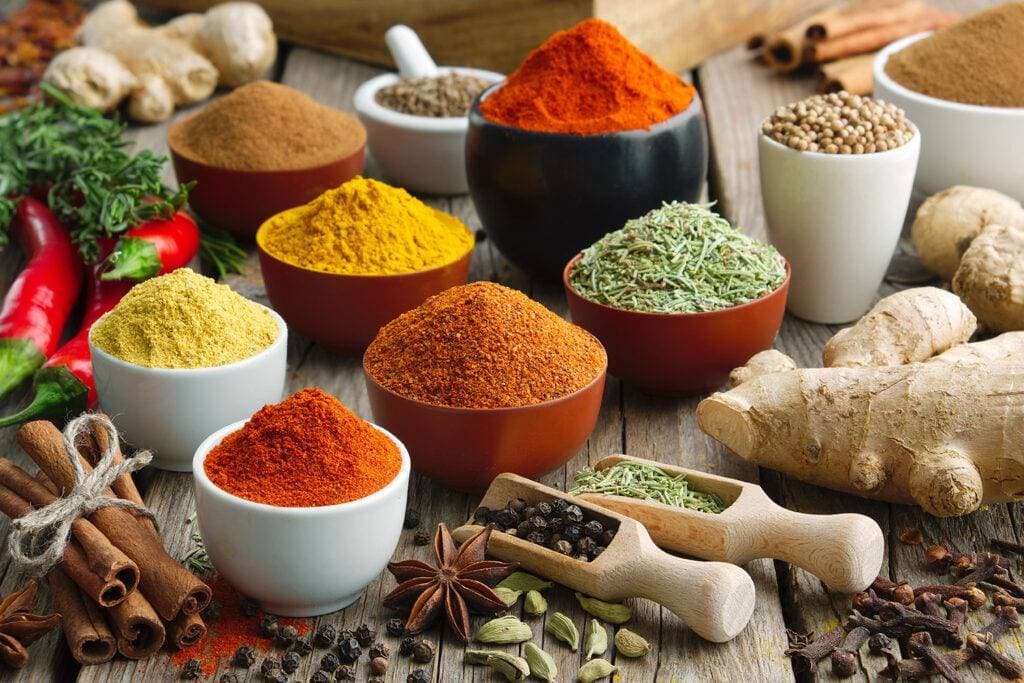
How to Improve Platelets with Home Remedies?
Here is a simple, safe, and effective guide to improving platelets with home remedies. These remedies can help support platelet production and overall blood health. They are useful mostly for mild to moderate low platelet counts. (For very low levels or medical conditions, always take medical treatment.)
Home Remedies to Improve Low Platelets (Thrombocytopenia)
Papaya Leaf Juice
One of the most popular natural remedies.
-
Helps increase platelet count.
-
Useful in viral infections like dengue.
How to use: Boil crushed papaya leaves in water → strain → drink 1–2 tablespoons twice daily.
Pomegranate
Rich in iron, antioxidants, and vitamins.
-
Helps blood formation. How to use: Eat a pomegranate or drink its juice daily.
Wheatgrass Juice
Boosts red and platelet cell production.
-
High in chlorophyll to support blood health. How to use: ½ cup daily on an empty stomach.
Amla (Indian Gooseberry)
Excellent natural Vitamin C source.
-
Enhances immunity and supports platelet production. How to use: Eat 1–2 amla daily or drink amla juice.
Beetroot
Rich in folate and antioxidants.
-
Helps improve blood count. How to use: 1 small beetroot daily OR mix beet + carrot juice.
Pumpkin + Honey
Pumpkin contains Vitamin A, which supports blood cell formation. How to use: ½ cup fresh pumpkin juice + 1 tsp honey.
Spinach Soup
High in Vitamin K and folate.
-
Helps improve blood thickness and clotting. How to use: Drink a small bowl of spinach soup daily.
Coconut Water
Hydrates the body and maintains electrolyte balance during infections.
-
Helpful in dengue-related low platelet cases.
Dates and Raisins
Rich in iron and natural sugars.
-
Support healthy blood cell production. How to use: Soak raisins overnight and eat in the morning.
Garlic
Good for blood purification and circulation.
-
Use sparingly; excessive use can thin the blood.
Lifestyle Tips for Low Platelets
-
Get enough sleep (7–8 hours)
-
Avoid alcohol
-
Reduce spicy, fried, junk foods
-
Avoid painkillers like aspirin/ibuprofen (reduce platelet function)
-
Stay hydrated
-
Avoid injuries or heavy exercise when platelets are very low
Foods to Avoid for Low Platelets
-
Alcohol
-
Artificial sweeteners
-
Canned/processed foods
-
Carbonated drinks
-
Excessively spicy or acidic foods
If You Want to Increase Platelets Fast
The most effective combination is:
-
Papaya leaf juice
-
Wheatgrass juice
-
Pomegranate juice
-
Amla + honey
Note on High Platelets
If you meant high platelets, let me know—I can give home remedies to reduce high platelet count too.
Conclusion
Platelets are small yet vital components of the blood that play a central role in maintaining hemostasis—the process that prevents excessive bleeding after an injury. Their rapid response to blood vessel damage, ability to form clots, and participation in wound healing make them essential for survival. Maintaining an optimal platelet count is crucial, as both low platelets (thrombocytopenia) and high platelets (thrombocytosis) can lead to significant health complications ranging from uncontrolled bleeding to dangerous blood clots. Understanding the causes, symptoms, and management of platelet disorders helps in early detection and effective treatment.
Modern medicine provides accurate diagnostic tools and evidence-based treatments, while Ayurveda and home remedies may offer supportive care for improving overall health and platelet levels when used under proper guidance. Ultimately, a balanced lifestyle, nutritious diet, stress control, and timely medical intervention are the keys to keeping your platelet count within a healthy range and ensuring strong blood and immune system functioning.
Frequently Asked Questions
1. What are platelets?
Platelets are tiny, disc-shaped blood cells that help stop bleeding by forming clots at the site of injury. They circulate in the blood and activate when a blood vessel is damaged.
2. What is the normal platelet count?
A normal platelet count ranges from 150,000 to 450,000 platelets per microliter of blood. Counts below or above this range may indicate a health issue.
3. What happens if platelets are too low?
Low platelets (thrombocytopenia) may cause symptoms like easy bruising, frequent nosebleeds, bleeding gums, prolonged bleeding, or tiny red spots on the skin (petechiae). Severe cases can be life-threatening.
4. What happens if platelets are too high?
High platelets (thrombocytosis) may increase the risk of blood clots, which can lead to stroke, heart attack, or deep vein thrombosis (DVT). Some people may experience headaches, dizziness, or no symptoms at all.
5. How are platelets produced?
Platelets are produced in the bone marrow by large cells called megakaryocytes. These cells release small fragments into the bloodstream, which circulate for about 7–10 days.
6. What causes low platelet levels?
Common causes include viral infections, autoimmune diseases, nutrient deficiencies (vitamin B12, folate), bone marrow disorders, certain medications, alcohol use, and chronic illnesses like liver disease.
7. How can I naturally increase platelet count?
You can support healthy platelet production by consuming foods rich in vitamin C, vitamin B12, folate, iron, papaya leaf extract, aloe vera juice, pumpkin, and spinach. Adequate sleep and stress control also help.
8. Can high platelets be reduced naturally?
Yes, but only under medical supervision. Lifestyle measures—like staying hydrated, reducing inflammation through diet, avoiding smoking, and managing stress—may help. The underlying cause must always be treated first.
9. How are platelet disorders diagnosed?
Platelet issues are diagnosed using tests such as:
-
Complete Blood Count (CBC)
-
Peripheral blood smear
-
Bone marrow examination (if needed)
-
Platelet function tests
10. What should I avoid if I have low platelets?
Avoid blood-thinning medications (like aspirin or ibuprofen), alcohol, contact sports, and supplements without medical advice. These can worsen bleeding or further reduce platelet count.
Reference: https://en.wikipedia.org/wiki/Platelet
move to Russia https://classificados.acheiusa.com/storage/pgs/?how_to_move_to_russia_with_family_best_cities_guide.html .
move to Russia http://www.www.radio-rfe.com/content/pages/immigrate-to-russia-complete-immigration-process-guide-2025.html .
move to Russia http://www.ielts-mentor.com/files/pgs/russian_visa_for_us_citizens_work__live_and_study_in_russia.html .
movetorussia com http://www.ielts-mentor.com/files/pgs/russian_visa_for_us_citizens_work__live_and_study_in_russia.html .