
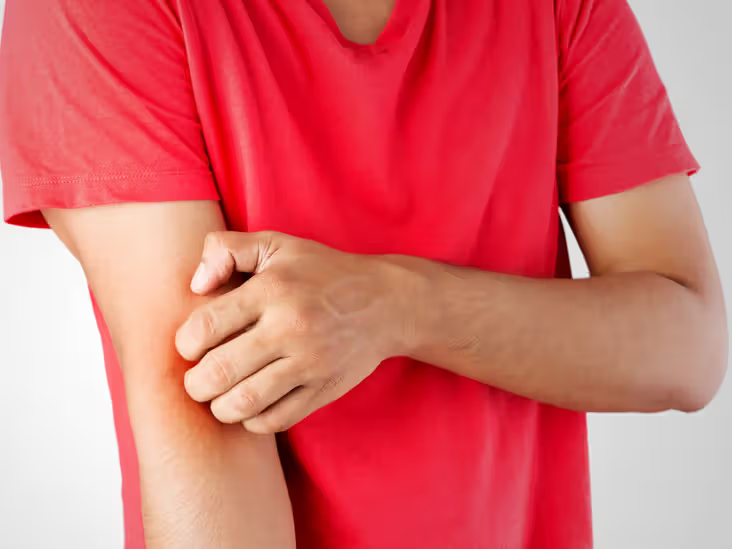
An infection (संक्रमण) is the invasion of tissues by pathogens, their multiplication, and the reaction of host tissues to the infectious agent and the toxins they produce. An infectious disease, also known as a transmissible disease or communicable disease, is an illness resulting from an infection. Infections can be caused by a wide range of pathogens, most prominently bacteria and viruses. Hosts can fight infections using their immune systems. Mammalian hosts react to infections with an innate response, often involving inflammation, followed by an adaptive response. Infectious diseases remain a significant global health concern, causing approximately 9.2 million deaths in 2013 (17% of all deaths). The branch of medicine that focuses on infections is referred to as infectious diseases.
Infection Meaning
An infection is a condition in which harmful microorganisms—such as bacteria, viruses, fungi, or parasites—enter the body, multiply, and cause damage to tissues. These microorganisms are called pathogens. Key Points: Infection occurs when pathogens invade the body. They multiply inside the body. They may produce toxins or cause inflammation, leading to illness. Not all infections show symptoms; some may be silent or mild.
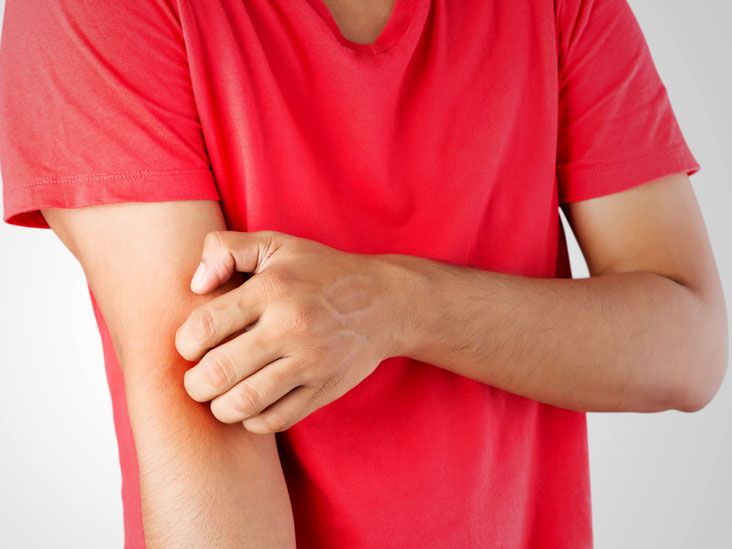
Infection Types
Here are the main types of infections, based on the type of microorganism that causes them:
Bacterial Infections
Caused by bacteria. Examples:
-
Strep throat
-
Tuberculosis
-
Urinary tract infections (UTIs)
Viral Infections
Caused by viruses, which invade body cells and multiply. Examples:
-
COVID-19
-
Hepatitis
Fungal Infections
Caused by fungi such as molds and yeasts. Examples:
-
Ringworm
-
Athlete’s foot
-
Oral thrush
Parasitic Infections
Caused by parasites, which live on or inside the host. Examples:
-
Malaria (parasite via mosquito)
-
Amoebiasis
-
Tapeworm infection
Protozoal Infections
Caused by protozoa, a specific group of parasites. Examples:
-
Giardiasis
-
Toxoplasmosis
Helminthic Infections
Caused by worms. Examples:
-
Roundworms
-
Hookworms
-
Pinworms
Prion Infections
Caused by abnormal proteins called prions. Rare but serious. Examples:
-
Creutzfeldt–Jakob disease (CJD)
Opportunistic Infections
Infections that occur when the immune system is weak (e.g., HIV/AIDS, cancer therapy). Examples:
-
Pneumocystis pneumonia
-
Cytomegalovirus infection
Infection Risk Factors
Here are the main risk factors of infections, explained clearly and:
Weakened Immune System
People with low immunity are more prone to infections. This includes:
-
Infants and the elderly
-
People with chronic illnesses
-
People taking immunosuppressive drugs (e.g., steroids, chemotherapy)
Chronic Medical Conditions
Certain long-term diseases reduce the body’s ability to fight infections:
-
Kidney disease
-
Cancer
-
HIV/AIDS
Poor Hygiene
Inadequate personal or environmental hygiene increases microbial growth:
-
Not washing hands
-
Poor sanitation
-
Contaminated food or water
Close Contact with Infected Individuals
Sharing space, objects, or physical contact spreads bacteria, viruses, and fungi.
Poor Nutrition
Lack of essential vitamins and minerals weakens the immune response.
Environmental Factors
-
Crowded places
-
Polluted air
-
Contaminated surfaces
-
Poor ventilation
Unsafe Sexual Practices
Increases risk of sexually transmitted infections (STIs).
Use of Medical Devices
Certain devices can introduce microbes:
-
Catheters
-
Ventilators
-
IV lines
Unvaccinated Status
Missing recommended vaccinations increases susceptibility to:
-
Measles
-
Hepatitis
-
Tetanus, etc.
Travel and Exposure to New Microbes
Traveling to regions with:
-
Different climates
-
Poor hygiene
-
Endemic diseases (e.g., malaria, dengue)
Antibiotic Misuse
Using antibiotics incorrectly can lead to:
-
Resistant infections
-
More severe illness
Age Extremes
-
Infants: Immature immune system
-
Elderly: Decline in immune function
Lifestyle Factors
These reduce immune efficiency.
Infection Signs and Symptoms
Here are the common signs and symptoms of infection, explained clearly and grouped for easy understanding:
Fever
-
The most common sign
-
The body temperature increases as it fights microbes
Chills and Sweating
-
Alternating hot and cold sensations
-
Often accompany fever
Fatigue and Weakness
-
Low energy
-
Feeling unusually tired
Loss of Appetite
-
Reduced desire to eat due to inflammation or fever
Redness, Swelling, and Warmth
-
Common in skin infections
-
Indicates inflammation
Pain or Tenderness
-
Localized infection causes discomfort
-
E.g., sore throat, ear pain, abdominal pain, joint pain
Pus or Discharge
-
Yellowish or greenish fluid indicates bacterial infection
-
Seen in wounds, eyes, ears, or genital infections
Cough, Congestion, or Breathing Difficulty
-
Seen in respiratory infections
-
Examples: pneumonia, bronchitis, flu
Digestive Issues
-
Nausea
-
Vomiting
-
Diarrhea
-
Abdominal cramps. Common in foodborne or gastrointestinal infections.
Skin Rashes
-
Viral: chickenpox, measles
-
Fungal: ringworm
-
Bacterial: cellulitis
Sore Throat or Hoarse Voice
-
Common in viral or bacterial throat infections
Burning or Painful Urination
-
Indicates urinary tract infection (UTI)
-
May include frequent urge to urinate
Swollen Lymph Nodes
-
Neck, armpits, or groin
-
Swell when the body fights infection
Headache or Body Aches
-
Seen in viral infections like flu or COVID-19
Confusion or Mental Changes (in the Elderly)
-
Common in serious infections like UTI or sepsis
-
Especially in older adults
Severe Symptoms (Warning Signs)
These may indicate a serious or spreading infection:
-
Very high fever
-
Rapid breathing or heartbeat
-
Severe dehydration
-
Persistent vomiting or diarrhea
-
Bluish skin or lips
-
Extreme weakness
-
Unresponsiveness or confusion
-
Signs of sepsis (life-threatening): low blood pressure, rapid pulse, difficulty breathing
Infection Causes
Infections are caused when harmful microorganisms (germs) enter the body, multiply, and damage tissues. These microorganisms are called pathogens. Here are the major causes of infection, grouped clearly:
Bacteria
Single-celled organisms that can multiply quickly.
Examples of bacterial infections
-
Tuberculosis
-
Pneumonia
-
Urinary tract infections
-
Skin infections (cellulitis)
How do they cause infection?
-
Release toxins
-
Damage tissues
-
Trigger inflammation
Viruses
Tiny infectious agents that need living cells to multiply. Examples:
-
Flu
-
COVID-19
-
Measles
-
Hepatitis
How do they cause infection?
-
Enter host cells
-
Take over the cell machinery
-
Destroy or damage cells
Fungi
Include yeasts and molds. Examples:
-
Ringworm
-
Athlete’s foot
-
Candidiasis (yeast infection)
How do they cause infection?
-
Multiply on moist surfaces
-
Invade deeper tissues in weak immunity
Parasites
Organisms living on or inside the body. Types:
-
Protozoa (e.g., malaria)
-
Helminths (worms like tapeworms)
-
Ectoparasites (lice, mites)
How do they cause infection?
-
Feed on host tissues
-
Damage organs
-
Carry other pathogens
Prions
Abnormal infectious proteins. Examples:
-
Creutzfeldt–Jakob disease (rare)
How do they cause infection?
-
Causes abnormal folding of brain proteins
Direct Transmission from Person to Person
-
Touching
-
Kissing
-
Sexual contact
-
Contact with bodily fluids
-
Droplets from coughing or sneezing
Indirect Transmission
Pathogens spread through objects or surfaces:
-
Contaminated door handles
-
Towels
-
Medical instruments
Contaminated Food and Water
-
Food poisoning (Salmonella, E. coli)
-
Waterborne infections (cholera, typhoid)
Airborne Spread
Some pathogens travel long distances in the air:
-
Tuberculosis
-
Chickenpox
-
COVID-19 (partly airborne)
Insect and Animal Bites
Vectors like:
-
Mosquitoes (malaria, dengue, Zika)
-
Ticks (Lyme disease)
-
Dogs/animals (rabies)
Breaks in Skin or Mucous Membranes
-
Cuts
-
Burns
-
Surgical wounds. These allow germs to enter the body easily.
Poor Hygiene and Sanitation
-
Not washing hands
-
Poor waste disposal
-
Unsafe drinking water
Infection Diagnosis
Infections are diagnosed through a combination of clinical evaluation, laboratory tests, and imaging studies. The goal is to identify the presence, type, and source of the infection. Here are the methods explained clearly:
Medical History
The doctor asks about:
-
Symptoms (fever, pain, swelling, cough, diarrhea, etc.)
-
Onset and duration
-
Exposure to infected individuals
-
Recent travel
-
Medical conditions or medications
This helps identify whether an infection is likely.
Physical Examination
The doctor checks for:
-
Fever
-
Swelling, redness, or warmth
-
Throat or ear inflammation
-
Lung sounds (crackles, wheezing)
-
Skin lesions or rashes
-
Abdominal tenderness
This helps locate the site of infection.
Blood Tests
-
CBC (Complete Blood Count) → high WBC indicates infection
-
CRP and ESR → markers of inflammation
-
Blood culture → detects bacteria or fungi in the bloodstream
Urine Tests
-
Urinalysis → checks for pus cells, bacteria
-
Urine culture → identifies specific bacteria causing UTI
Swab Tests
Samples taken from:
-
Throat
-
Nose
-
Wounds
-
Genitals
Swabs help detect viruses, bacteria, or fungi.
Stool Tests
Used to detect:
-
Parasites
-
Bacteria (Salmonella, Shigella)
-
Viruses
Sputum or Respiratory Samples
Help diagnose:
-
Pneumonia
-
Tuberculosis
-
Respiratory viral infections
The sample is examined under a microscope, cultured, or PCR-tested.
Culture Tests
Samples from blood, urine, sputum, wounds, or body fluids are grown in a lab to:
-
Identify the pathogen
-
Test antibiotic sensitivity (important for treatment)
PCR Tests (Molecular Tests)
PCR detects the genetic material of viruses, bacteria, or fungi used for:
-
COVID-19
-
HIV
-
Hepatitis
-
TB
-
Influenza
Very accurate and fast.
Antigen/Antibody Tests
Antigen tests
Detect proteins from microbes (e.g., rapid COVID test).
Antibody tests
Show if the body has responded to infection.
X-ray
Used for:
-
Pneumonia
-
Bone infections (osteomyelitis)
Ultrasound
Used to detect:
-
Abscesses
-
Organ infections
CT or MRI Scans
Used for deeper or complicated infections:
-
Brain infections
-
Abdominal infections
-
Internal abscesses
Biopsy (Rare Cases)
A small tissue sample is taken to diagnose:
-
Fungal infections
-
Persistent or unclear infections
Infection Prevention
Infections can be prevented effectively through good hygiene, healthy habits, vaccination, and adherence to environmental safety practices. Below is a clear and complete guide to the best ways to prevent infections:
Maintain Good Hand Hygiene
-
Wash your hands with soap and water for 20 seconds
-
Especially after using the toilet, before eating, after coughing/sneezing, and after touching surfaces
-
Use alcohol-based sanitizers when soap is unavailable
Get Recommended Vaccinations
Vaccines protect against:
-
Measles
-
Influenza
-
Hepatitis
-
Tetanus
-
COVID-19
-
Pneumonia
-
HPV
Vaccination is one of the most effective ways to prevent infectious diseases.
Practice Good Personal Hygiene
-
Bathe regularly
-
Keep nails trimmed
-
Brush teeth twice daily
-
Wash clothes and bed linens regularly
Practice Safe Food and Water Hygiene
-
Drink clean, purified water
-
Wash fruits and vegetables
-
Cook meat and seafood thoroughly
-
Avoid street food when hygiene is doubtful
-
Keep kitchen surfaces clean
Avoid Close Contact With Sick Individuals
-
Keep a distance from people with fever, cough, or infections
-
Avoid sharing utensils, towels, or personal items
Keep the Environment Clean
-
Clean and disinfect surfaces regularly
-
Especially high-touch items like doorknobs, phones, and keyboards
Practice Respiratory Hygiene
-
Cover your mouth and nose during coughing or sneezing
-
Wear a mask when ill or in crowded places
-
Dispose of tissues properly
Strengthen the Immune System
-
Eat a balanced diet rich in fruits, vegetables, and proteins
-
Exercise regularly
-
Sleep 7–8 hours daily
-
Manage stress
-
Avoid smoking and alcohol
A strong immune system helps fight infections naturally.
Practice Safe Sexual Behavior
-
Use protection (condoms)
-
Avoid multiple partners
-
Get regular STI screenings
Use Insect Precautions
Important for malaria, dengue, and chikungunya:
-
Use mosquito repellent
-
Wear long-sleeved clothing
-
Keep surroundings free of stagnant water
-
Use mosquito nets
Proper Wound Care
-
Clean wounds immediately
-
Use antiseptics
-
Keep wounds covered
-
Seek medical attention if redness or pus develops
Avoid Unnecessary Antibiotics
-
Only take antibiotics when prescribed
-
Complete the full course
-
Prevents antibiotic resistance and harmful infections
Safe Handling of Pets and Animals
-
Wash your hands after contact
-
Keep pets vaccinated
-
Avoid stray animals
During Travel
-
Drink bottled or treated water
-
Avoid raw foods in high-risk areas
-
Use insect protection
-
Get pre-travel vaccinations if required
Infection Treatments
Treatment of an infection depends on the type of microorganism causing it (bacteria, virus, fungus, or parasite) and the severity of symptoms. Below are the best, most commonly used treatment methods, explained clearly.
Antibiotics (for Bacterial Infections)
Antibiotics kill or stop the growth of bacteria. Used for:
-
Pneumonia
-
Urinary tract infections (UTI)
-
Skin infections
-
Strep throat
Important points
-
Must be prescribed by a doctor
-
Complete the full course
-
Avoid misuse to prevent antibiotic resistance
Antiviral Medications (for Viral Infections)
Antivirals help reduce the severity and duration of viral infections. Used for:
-
Influenza (flu)
-
COVID-19
-
HIV
-
Herpes
-
Hepatitis B & C
Note
Most viral infections (like the common cold) improve with rest and supportive care.
Antifungal Treatments (for Fungal Infections)
These kill or control fungal growth. Used for:
-
Athlete’s foot
-
Ringworm
-
Oral or vaginal candidiasis
-
Fungal skin infections
Available as:
-
Creams
-
Tablets
-
Ointments
-
Oral medications
Antiparasitic Medications (for Parasitic Infections)
Used for:
-
Malaria
-
Worm infections (tapeworm, roundworm)
-
Scabies
-
Lice
These medicines kill or expel parasites from the body.
Fever Control and Pain Relief
-
Paracetamol
-
Ibuprofen (if appropriate). These help relieve fever, headache, body aches, and pain.
Hydration
Drink plenty of:
-
Water
-
ORS
-
Soups
-
Electrolyte solutions
This prevents dehydration, especially during fever, vomiting, or diarrhea.
Rest
Resting allows the immune system to fight the infection more effectively.
Wound Care (for Skin Infections)
-
Clean the wound
-
Apply antiseptic
-
Use sterile dressings
-
See a doctor if redness, pus, or swelling increases
Drainage of Abscesses
Large or painful abscesses may need:
-
Incision and drainage by a doctor
-
Antibiotics afterward
IV Medications (for Severe Infections)
In hospitals, doctors may use:
-
IV antibiotics
-
IV fluids
-
Oxygen therapy. Used for severe infections like:
-
Sepsis
-
Severe pneumonia
-
Deep tissue infections
Immune-Boosting Habits
-
Nutritious diet
-
Adequate sleep
-
Stress management
-
Avoid smoking and alcohol
These help the body recover faster.
Treating the Underlying Cause
If infection is due to:
-
Diabetes → control blood sugar
-
Poor immunity → boost immune health
-
Poor hygiene → improve sanitation
-
Allergies/asthma → manage triggers
Helping the root cause prevents recurrence.
When to Seek Medical Help Immediately?
-
High fever that doesn’t reduce
-
Severe breathing difficulty
-
Chest pain
-
Persistent vomiting or diarrhea
-
Confusion or drowsiness
-
Worsening wound, redness, or swelling
-
Symptoms of sepsis (rapid heartbeat, dizziness, very low BP)
Ayurveda Treatments for Infection
Below are the best and most widely used Ayurveda treatments for infections, explained in a very clear and practical way. Ayurveda focuses on strengthening immunity (Ojas), balancing Doshas, and using herbal, dietary, and detox therapies to help the body fight infections naturally.
Herbal Remedies (Most Effective)
Turmeric (Haridra)
-
Strong antibacterial, antiviral, and anti-inflammatory
-
Useful for skin infections, respiratory infections, and digestive infections
How to take: ½ tsp turmeric in warm water or milk once or twice daily
Neem (Azadirachta indica)
-
Powerful antimicrobial and blood purifier
-
Effective for skin, fungal, and urinary infections
Forms: Neem tablets, neem water, neem paste.
Tulsi (Holy Basil)
-
Antiviral, antibacterial, immune-boosting
-
Helpful in respiratory and throat infections
How to use: Chew 4–5 leaves or drink tulsi tea.
Giloy (Guduchi)
-
Strong immunity booster
-
Useful in fever, viral infections, and recurrent infections
How to take: Giloy juice/tablets twice daily.
Amla (Indian Gooseberry)
-
Rich in Vitamin C
-
Strengthens immunity and promotes healing
Used in: Chyawanprash, fresh amla juice.
Ashwagandha
-
Enhances immune strength
-
Reduces inflammation and helps post-infection recovery
Triphala
-
Detoxifies the digestive system
-
Helps fight gut infections and supports immunity
Ayurveda Decoctions (Kadha / Kashayam)
Ayush Kwath
Contains Tulsi, Cinnamon, Dry Ginger, and Black Pepper
-
Builds immunity
-
Useful in viral and respiratory infections
Dashamoola Kwath
-
Effective for fever, inflammation, cough, and respiratory infections
Guduchi Kwath
-
Best for low immunity, fever, and recurrent infections
Vasavaleha or Vasa Guduchi
-
Effective for respiratory tract infections, cough, and bronchitis
Panchakarma Therapies (For Detox & Chronic Infections)
Vamana (Therapeutic Emesis)
-
Clears excess Kapha
-
Helpful in chronic respiratory infections
Virechana (Therapeutic Purgation)
-
Cleanses toxins (Ama) from the liver and intestines
-
Useful in skin infections and chronic fevers
Nasya (Nasal Cleansing with Ayurvedic Oils)
-
Effective for sinus infections, nasal congestion, and respiratory issues
Common oils: Anu Taila, Shadbindu Taila
Swedana (Herbal Steam Therapy)
-
Opens pores
-
Clears respiratory pathways
-
Helps in fever and cold-related infections
Abhyanga (Herbal Oil Massage)
-
Enhances circulation
-
Strengthens immunity
-
Aids recovery
Ayurvedic Formulations (Classical Medicines)
(Should be used under doctor’s guidance)
-
Chyawanprash – boosts immunity, prevents recurrent infections
-
Sitopaladi Churna – useful for cough and cold
-
Talisadi Churna – respiratory infections
-
Sudarshan Ghanvati – fever, viral infections
-
Tribhuvan Kirti Rasa – acute fever, flu-like symptoms
-
Arogya Vardhini Vati – liver cleansing, helps in toxin-related infections
-
Khadirarishta – skin and blood infections
-
Punarnavasava – urinary infections and swelling
Dietary Recommendations (Ahara)
Ayurveda emphasizes food as the first medicine.
Eat
-
Warm, cooked, easy-to-digest foods
-
Herbal soups (ginger, pepper, tulsi)
-
Moong dal, rice
-
Steamed vegetables
-
Warm water
Avoid
-
Cold foods
-
Heavy, oily, junk foods
-
Curd, cold drinks, ice cream
-
Refined sugar
-
Processed foods
Because they increase Ama (toxins), which worsens infections.
Lifestyle Practices (Vihara)
Adequate Rest
Helps immunity (Ojas) recover
Yoga & Breathing
-
Pranayama
-
Anulom Vilom
-
Bhramari
-
Kapalabhati (only if no fever)
Stress Reduction
Meditation lowers cortisol and boosts immunity
Safety Reminder
Ayurveda works best for:
-
Mild to moderate infections
-
Prevention
-
Post-infection recovery
For severe infections (high fever, sepsis, pneumonia, severe dehydration), immediate medical care and modern treatment are essential.
Home Remedies for Infection
Here are the best, safest, and most effective home remedies for infections, useful for mild to moderate symptoms. These remedies help reduce inflammation, boost immunity, and support faster recovery.
Warm Turmeric Milk (Golden Milk)
Turmeric contains curcumin, a powerful antibacterial, antiviral, and anti-inflammatory compound. How to use: ½ teaspoon turmeric in warm milk, drink once or twice daily.
Ginger Tea
Ginger has strong antimicrobial and anti-inflammatory properties. How to use: Boil fresh ginger in water; add honey if needed.
Helps with:
-
Colds
-
Cough
-
Sore throat
-
Digestive infections
Honey
Natural antibacterial and wound-healing agent.
How to use?
-
Take 1 teaspoon on an empty stomach
-
Apply on minor cuts/wounds to prevent infection
Note: Avoid giving honey to children below 1 year.
Garlic
Garlic contains allicin, a strong natural antibiotic.
How to use?
-
Chew 1–2 raw garlic cloves daily
-
Add crushed garlic to soups and meals
Warm Salt Water Gargle
Best for throat infections.
How to use?
½ teaspoon salt in warm water; gargle 3–4 times daily.
-
Reduces swelling
-
Clears mucus
-
Kills bacteria
Steam Inhalation
Helps with:
-
Cold
-
Cough
-
Sinus infections
How to use?
Inhale steam from hot water; you may add eucalyptus or mint leaves.
Adequate Hydration
Drink:
-
Warm water
-
Soups
-
Herbal teas
-
ORS if dehydrated
Helps the body flush out toxins and fight infection.
Vitamin C–Rich Foods
Boosts immunity and speeds recovery.
Include:
-
Amla
-
Lemon
-
Orange
-
Guava
-
Kiwi
-
Tomatoes
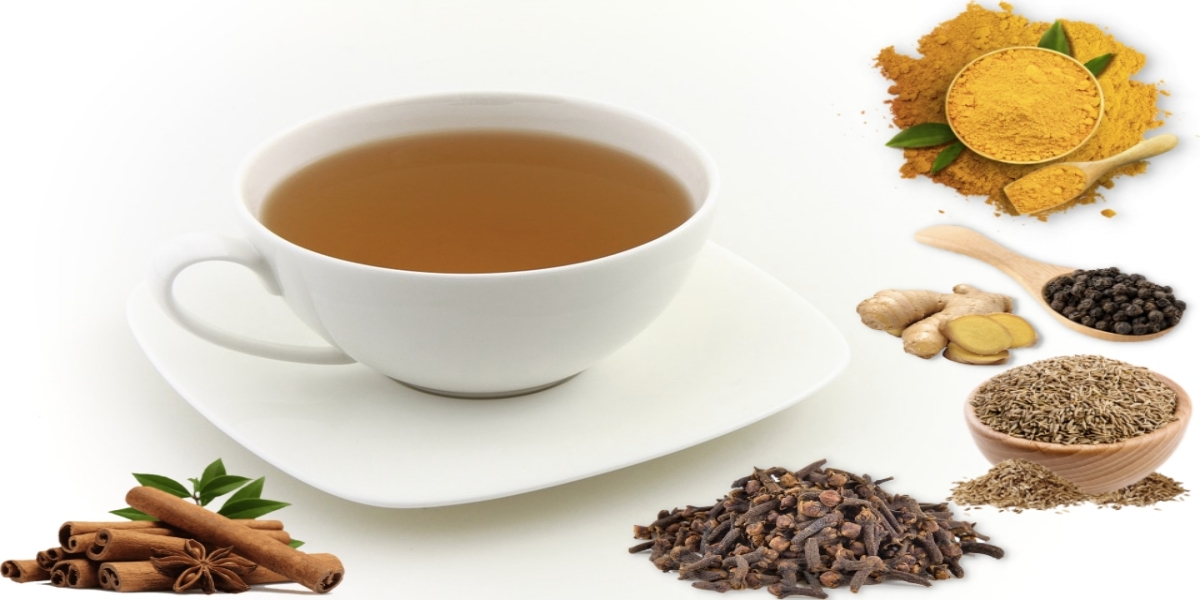
Herbal Immunity Drinks (Kadha)
A simple homemade kadha can fight mild infections.
Ingredients:
-
Tulsi
-
Ginger
-
Black pepper
-
Cinnamon
-
Cloves
Boil and sip warm.
Warm Compress
For:
-
Skin infections
-
Swelling
-
Ear pain
Improves blood flow and speeds healing.
Coconut Oil for Skin Infections
Contains lauric acid, which kills bacteria and fungi.
How to use?
Apply extra virgin coconut oil to infected or irritated skin.
Probiotics
Help combat digestive and urinary infections by restoring good bacteria.
Sources:
-
Curd (avoid if you have a cold or sinus)*
-
Buttermilk
-
Homemade pickles
-
Fermented foods
*Avoid curd during respiratory infections.
Rest and Good Sleep
The body heals fastest during rest. Aim for 7–9 hours of sleep and avoid overexertion.
When Home Remedies Are Not Enough
Seek medical attention immediately if you have:
-
High fever
-
Severe pain
-
Difficulty breathing
-
Persistent vomiting or diarrhea
-
Rapid heartbeat
-
Any signs of sepsis
-
Infection not improving in 2–3 days
Conclusion
Infections are common health conditions caused by a variety of microorganisms such as bacteria, viruses, fungi, and parasites. While many infections are mild and easily treatable, others can become serious if not identified and managed early. Maintaining good hygiene, strengthening the immune system, practicing healthy lifestyle habits, and receiving timely vaccinations play a crucial role in preventing infections. Early diagnosis and appropriate treatment—whether through modern medicine, home remedies, or supportive Ayurvedic care—help ensure quick recovery and reduce complications. By staying informed and adopting preventive measures, individuals can significantly lower the risk of infections and protect their overall health and well-being.
Frequently Asked Questions
1. What is an infection?
An infection occurs when harmful microorganisms—such as bacteria, viruses, fungi, or parasites—enter the body, multiply, and interfere with normal bodily functions.
2. What are the common symptoms of an infection?
Common symptoms include fever, fatigue, pain, redness, swelling, cough, sore throat, diarrhea, vomiting, or pus formation. Symptoms vary depending on the type and location of infection.
3. What causes infections?
Infections are caused by microorganisms like bacteria, viruses, fungi, and parasites. They can spread through contaminated food, water, air, surfaces, personal contact, or insect bites.
4. How are infections diagnosed?
Doctors diagnose infections using medical history, physical examination, and tests such as blood tests, urine tests, swabs, cultures, PCR tests, X-rays, ultrasound, or CT scans.
5. How can infections be prevented?
Infections can be prevented by good hygiene, handwashing, vaccinations, clean food and water, safe sexual practices, avoiding sick individuals, maintaining immunity, and disinfecting surfaces regularly.
6. How are infections treated?
Treatment depends on the cause:
-
Antibiotics for bacterial infections
-
Antivirals for viral infections
-
Antifungals for fungal infections
-
Antiparasitics for parasitic infections
Supportive care includes rest, hydration, and fever management.
7. Are all infections contagious?
No. Some infections, like the common cold or flu, are contagious. Others, such as urinary tract infections or certain fungal infections, are not usually spread from person to person.
8. When should I see a doctor for an infection?
Seek medical care if you have:
-
High or persistent fever
-
Severe pain
-
Difficulty breathing
-
Persistent vomiting or diarrhea
-
Worsening symptoms
-
Signs of dehydration
-
Symptoms lasting more than 2–3 days
9. Can infections be dangerous?
Yes. If untreated, some infections can spread and lead to serious complications like pneumonia, organ damage, or sepsis—a life-threatening condition. Early treatment prevents complications.
10. Can home remedies help treat infections?
For mild infections, home remedies like hydration, rest, ginger tea, turmeric milk, honey, and steam inhalation can help. But severe or persistent infections need proper medical treatment.
Reference: https://en.wikipedia.org/wiki/Infection
I didn’t know about this before, good information.
I’m glad to update you. May you avail the best knowledge in the future too. Thanks and have a healthy day!!