
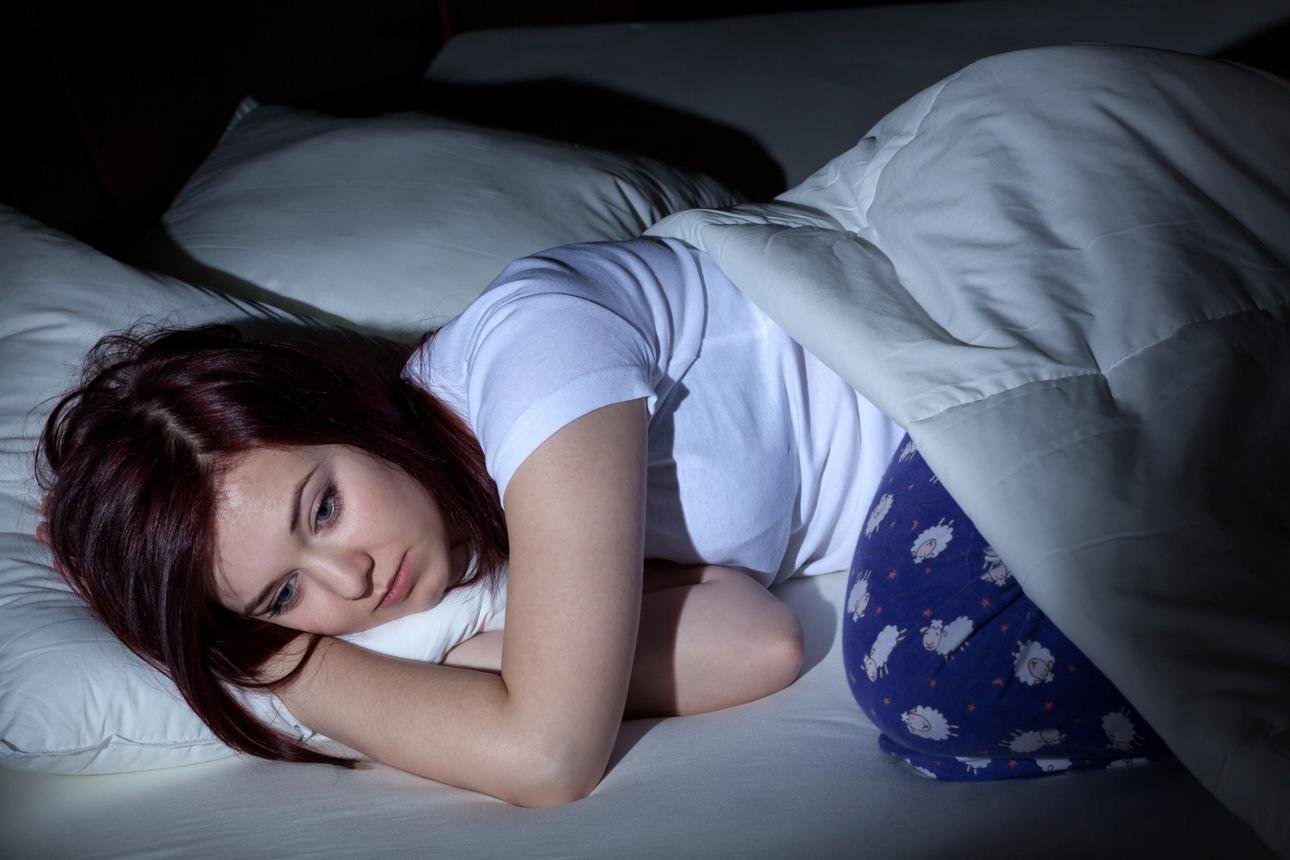
In medicine, clinophilia (क्लिनोफीलिया) is a sleep disorder described as a patient’s tendency to remain in bed in a reclined position without sleeping for a prolonged period.
Clinophilia refers to a strong or persistent desire to stay in bed, even when a person has had enough rest. While enjoying extra time in bed is normal, excessive time spent lying down may sometimes be linked to stress, anxiety, depression, poor sleep, or other health conditions. Understanding the signs, possible causes, and effects of clinophilia can help a person recognize when staying in bed has become a concern and when professional support may be useful.
Clinophilia: Meaning, Symptoms, Causes, Effects, and How to Manage It
Clinophilia is a term used to describe an unusually strong desire to remain in bed or spend long periods lying down. A person may feel comfortable, safe, or emotionally protected while staying in bed and may find it difficult to get up and begin normal daily activities.
Many people occasionally want to stay in bed, especially after a tiring day, poor sleep, illness, or emotional stress. That alone does not mean a person has clinophilia. The concern arises when the behavior becomes persistent and starts interfering with work, studies, relationships, personal care, or everyday responsibilities.
It is also important to understand that clinophilia is not, by itself, a formal diagnosis in major diagnostic classification systems. The word is often used descriptively, and excessive time in bed can occur for many different reasons, including depression, anxiety, sleep disorders, chronic fatigue, physical illness, or avoidance of stressful situations.
This article explains clinophilia, including its meaning, signs, possible causes, relationship with depression, effects on daily life, treatment, and practical ways to seek help.

What Is Clinophilia?
The word clinophilia comes from Greek roots related to bed and affection or inclination. In everyday use, it describes a strong attraction to staying in bed.
A person experiencing this pattern may:
- Want to remain in bed for many hours.
- Find getting up unusually difficult.
- Spend much of the day lying down.
- Prefer bed to normal activities.
- Feel safe or comfortable in bed.
- Avoid work, school, social activities, or household responsibilities.
- Return to bed whenever they feel stressed or emotionally uncomfortable.
Clinophilia should not simply be understood as “loving sleep.” The important issue is the impact on a person’s life.
Someone who enjoys sleeping for eight hours and gets up feeling refreshed is generally not displaying a problem simply because they like their bed.
On the other hand, someone who sleeps or lies down for much of the day, repeatedly avoids normal activities, and continues doing so despite negative consequences may need to explore what is causing the behavior.
Clinophilia and excessive sleep
Clinophilia can involve spending excessive amounts of time in bed, but it does not necessarily mean that the person is actually asleep.
A person might spend several hours:
- Sleeping
- Using a phone
- Watching videos
- Thinking
- Reading
- Resting
- Avoiding responsibilities
- Simply lying in bed without doing anything
Therefore, time spent in bed and actual sleep time are not always the same thing.
Common Signs and Symptoms of Clinophilia
Clinophilia may look different from person to person. Some individuals may sleep excessively, while others mainly remain in bed while awake.
Common signs can include:
Strong desire to stay in bed
The person may repeatedly think, “I just want to stay in bed,” even when there is no physical need for additional rest.
Difficulty getting up
Getting out of bed may feel unusually difficult. The person may repeatedly postpone getting up by saying they will do it “in five minutes.”
Spending much of the day in bed
A person may return to bed after breakfast, work, or other activities and spend a large portion of the day there.
Avoiding everyday responsibilities
Work, school, household tasks, exercise, appointments, and social activities may gradually be neglected.
Low motivation
The person may know that they need to get up but lack the motivation to begin an activity.
Using bed as an escape
Bed may become a place to escape from stress, anxiety, conflict, boredom, responsibilities, or unpleasant thoughts.
Daytime sleepiness
Some people may feel sleepy during the day even after apparently getting enough sleep.
Changes in mood
Persistent time in bed may occur alongside sadness, irritability, anxiety, hopelessness, or loss of interest in previously enjoyable activities.
Social withdrawal
A person may gradually stop meeting friends or family members because staying at home and remaining in bed feels easier.
Disruption of daily routine
Meal times, exercise, personal hygiene, work schedules, and sleep patterns can become irregular.
What Causes Clinophilia?
There is no single cause. Excessive time in bed can be connected with psychological, behavioral, sleep-related, or physical factors.
Depression
Depression is one of the important conditions to consider when someone spends excessive time in bed.
A depressed person may experience:
- Low energy
- Loss of interest
- Sadness
- Feelings of worthlessness
- Difficulty concentrating
- Changes in sleep
- Reduced motivation
For such a person, staying in bed may feel easier than facing the day.
However, clinophilia and depression are not the same thing. Clinophilia-like behavior can occur without depression.
Anxiety
Anxiety can also encourage a person to avoid getting out of bed.
If the outside world feels overwhelming, bed may become a temporary place of safety. Unfortunately, avoiding activities repeatedly can sometimes strengthen anxiety over time.
Chronic stress
Long-term stress can leave a person mentally and physically exhausted. After prolonged pressure at work, home, or in relationships, a person may increasingly seek rest.
Poor sleep quality
Someone may spend a long time in bed because their sleep is not refreshing.
Possible reasons include:
- Insomnia
- Sleep apnea
- Restless legs syndrome
- Irregular sleep schedules
- Frequent nighttime awakening
- Poor sleep environment
In these situations, the underlying sleep problem should be addressed rather than simply blaming the person for staying in bed.
Lifestyle factors
An inactive lifestyle can contribute to a cycle of low energy.
For example:
Less activity → lower energy → more time in bed → even less activity
Breaking this cycle gradually can be helpful.
Physical illness
Some medical conditions can cause fatigue, weakness, or excessive sleepiness. Examples include certain hormonal disorders, anemia, infections, neurological conditions, and other chronic illnesses.
Anyone with persistent unexplained fatigue should discuss it with a healthcare professional.
Medications and substances
Some medicines can cause drowsiness or fatigue as a side effect. Alcohol and other substances can also interfere with healthy sleep patterns.
Never stop a prescribed medicine without discussing it with the prescribing clinician.
Is Clinophilia the Same as Depression?
No.
This is an important distinction.
A person with depression may spend excessive time in bed, but staying in bed alone does not prove that someone is depressed.
Depression generally involves a broader pattern of symptoms, such as persistent low mood or loss of interest, along with other emotional, cognitive, physical, or behavioral changes.
Clinophilia-like behavior may instead be related to:
- Anxiety
- Stress
- Poor sleep
- Physical exhaustion
- Boredom
- Avoidance
- Lifestyle habits
- Other medical or psychological conditions
A healthcare professional can help determine what is actually happening.

Clinophilia vs. Normal Rest
Everyone needs rest.
After a physically demanding day, illness, travel, emotional stress, or inadequate sleep, spending extra time in bed can be perfectly normal.
The difference is mainly frequency, duration, motivation, and impact.
| Normal rest | Concerning pattern |
|---|---|
| Temporary | Persistent |
| Helps you feel refreshed | Does not restore energy |
| You can get up when needed | Getting up feels extremely difficult |
| Daily activities continue | Responsibilities are neglected |
| Bed is mainly for sleep/rest | Bed becomes an escape from life |
This is not a diagnostic test, but it can help explain why persistent behavior deserves attention.
Effects of Spending Too Much Time in Bed
Spending excessive time in bed can affect several areas of life.
Physical effects
Too little physical activity may contribute to:
- Reduced muscle strength
- Stiffness
- Poor physical fitness
- Changes in appetite
- Disrupted sleep-wake rhythms
Mental effects
Long periods of inactivity may sometimes worsen:
- Low motivation
- Anxiety
- Social isolation
- Negative thinking
- Feelings of helplessness
Sleep effects
Interestingly, spending too much time in bed can sometimes make sleep problems worse.
If someone remains in bed for many hours during the day, their body may receive fewer of the normal cues that help maintain a consistent sleep-wake rhythm.
Social effects
A person may gradually stop participating in:
- Family activities
- Friendships
- Hobbies
- Community events
- Work or studies
This can create further loneliness.
Professional and academic effects
Repeatedly staying in bed can lead to:
- Missed deadlines
- Absenteeism
- Reduced productivity
- Difficulty concentrating
- Financial or academic problems
How Is Clinophilia Managed?
There is no single treatment specifically called a “clinophilia treatment.” Management depends on the underlying reason.
1. Identify the underlying cause
The first step is understanding why the person wants to remain in bed.
A doctor or mental-health professional may ask about:
- Sleep patterns
- Mood
- Anxiety
- Energy levels
- Medication
- Physical symptoms
- Daily routine
- Work and social functioning
2. Psychotherapy
If emotional or behavioral factors are involved, psychotherapy may help.
Cognitive behavioral therapy (CBT) can help people identify unhelpful thoughts and behavioral patterns and develop healthier routines.
3. Treat depression or anxiety
If a clinician identifies depression, anxiety, or another mental-health condition, treating that condition may reduce excessive time in bed.
Treatment can include psychotherapy, lifestyle changes, and medication when clinically appropriate.
4. Improve sleep habits
A consistent sleep schedule can be helpful.
Try to:
- Go to bed at a regular time.
- Wake up at a consistent time.
- Keep the bedroom comfortable and quiet.
- Avoid excessive daytime naps.
- Reduce stimulating screen use before bedtime.
- Get daylight exposure during the day.
5. Increase physical activity gradually
Exercise does not have to mean an intense gym workout.
Start with something manageable:
- A 10-minute walk
- Gentle stretching
- Yoga
- Light household activity
- Gardening
The goal is consistency rather than perfection.
6. Create a morning routine
A simple routine can make getting out of bed easier.
For example:
Wake → open curtains → drink water → wash → eat breakfast → take a short walk
Repeating the same sequence can gradually make mornings more automatic.
Practical Tips to Reduce Excessive Time in Bed
If you recognize this pattern in yourself, avoid trying to change everything overnight.
Instead:
Start small.
Set one realistic goal each morning.
For example:
“Today I will get out of bed at 7:30 and spend 10 minutes outside.”
Once this becomes easier, add another activity.
Other useful strategies include:
- Keep your alarm away from the bed.
- Open curtains immediately after waking.
- Avoid scrolling on your phone in bed.
- Schedule one enjoyable activity each day.
- Stay connected with supportive people.
- Keep regular meal times.
- Make your bed after getting up.
- Track your sleep and daytime activity.
- Reward yourself for completing small goals.
The objective is not to eliminate rest. The objective is to create a healthier balance between rest and activity.
When Should You See a Doctor?
Consider speaking with a healthcare professional if excessive time in bed:
- Continues for several weeks.
- Interferes with work or studies.
- Causes problems in relationships.
- Is accompanied by severe daytime sleepiness.
- Occurs with persistent low mood.
- Comes with unexplained physical symptoms.
- Makes normal daily activities difficult.
- Is associated with major changes in sleeping or eating patterns.
A medical evaluation is particularly important when tiredness or excessive sleepiness is new, severe, or unexplained.
If someone has thoughts of self-harm or suicide, seek urgent professional help or emergency support immediately rather than trying to manage the situation alone.
How Family and Friends Can Help
It is usually unhelpful to tell someone simply to “stop being lazy.”
Excessive time in bed may be a sign that something deeper is happening.
Instead:
- Listen without judgment.
- Ask how the person is feeling.
- Encourage small activities.
- Offer to take a walk together.
- Help create a daily routine.
- Encourage professional evaluation when appropriate.
- Avoid criticism and shame.
Support can make it easier for someone to take the first step toward change.

Conclusion
Clinophilia describes a strong tendency or desire to remain in bed for unusually long periods. While everyone needs sleep and rest, persistent excessive time in bed can sometimes signal an underlying problem such as depression, anxiety, chronic stress, poor-quality sleep, physical illness, or an unhealthy behavioral pattern.
The most important point is not to label yourself simply because you enjoy staying in bed. Instead, look at the bigger picture: Are you sleeping well? Are you able to get up when necessary? Are you enjoying your normal activities? Is your work, health, or social life being affected?
If staying in bed has become a persistent pattern that interferes with everyday life, the best starting point is finding the underlying cause. With appropriate support, healthy routines, and treatment when necessary, many people can regain their energy, motivation, and normal daily rhythm.
Rest is healthy. But when rest becomes a way of avoiding life, it may be time to understand why.
Frequently Asked Questions About Clinophilia
1. Is clinophilia a mental disorder?
Clinophilia is commonly used as a descriptive term rather than a formal standalone psychiatric diagnosis. Excessive time in bed can be associated with several psychological, sleep-related, lifestyle, or medical conditions.
2. Does clinophilia mean sleeping all day?
Not necessarily. A person may spend excessive time in bed while awake, sleeping, using a phone, thinking, or simply avoiding activities.
3. Is clinophilia the same as depression?
No. Depression can cause a person to spend more time in bed, but excessive time in bed can have many other causes.
4. Can anxiety cause someone to stay in bed?
Yes. Bed can sometimes become a place where a person feels temporarily safe from stressful or anxiety-provoking situations.
5. Can poor sleep cause excessive time in bed?
Yes. Poor-quality sleep can leave someone tired during the day, so they spend more time resting.
6. How can I stop spending too much time in bed?
Begin with small changes. Maintain a regular wake-up time, get daylight exposure, reduce daytime naps, add gentle physical activity, and gradually increase meaningful activities.
7. Should I see a doctor if I always want to stay in bed?
If the pattern is persistent or interferes with daily life, it is sensible to speak with a healthcare professional. They can look for sleep, medical, or psychological causes.
8. Can spending too much time in bed make things worse?
It can contribute to inactivity, irregular sleep patterns, social withdrawal, and reduced motivation in some people. The effect varies from person to person.
9. Is staying in bed after waking always unhealthy?
No. Occasionally relaxing in bed is normal. The concern is persistent excessive time in bed that interferes with healthy functioning.
10. Can clinophilia be treated?
The approach depends on the underlying cause. Improving sleep habits, increasing activity, psychotherapy, and treatment of underlying medical or mental-health conditions may help.
Reference: https://en.wikipedia.org/wiki/Clinophilia