
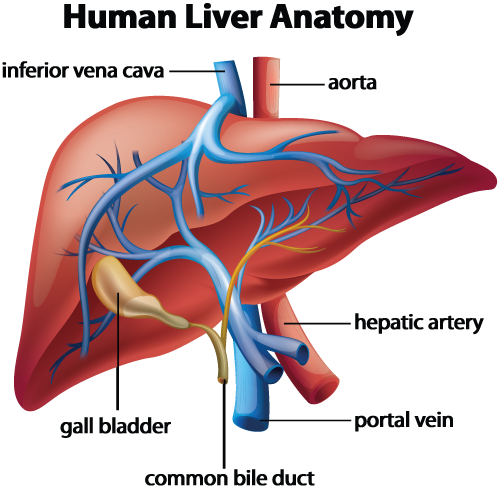
Hepatitis (हेपेटाइटिस) is inflammation of the liver tissue. Some people or animals with hepatitis have no symptoms. In contrast, others develop yellow discoloration of the skin and whites of the eyes (jaundice), poor appetite, vomiting, tiredness, abdominal pain, and diarrhea. It is considered acute if it resolves within six months, and chronic if it persists for longer than six months. Acute hepatitis can resolve on its own, progress to chronic hepatitis, or (rarely) result in acute liver failure. In the United States, Type A is estimated to occur in about 2,500 people a year and results in about 75 deaths. The word is derived from the Greek hêpar (ἧπαρ), meaning “liver”, and -itis (-ῖτις), meaning “inflammation”.
Hepatitis Meaning
It is a medical condition characterized by inflammation of the liver. The term comes from two Greek words: “Hepato” meaning liver, and “-itis” meaning inflammation. When the liver becomes inflamed or injured, its ability to function properly is reduced. Since the liver plays a crucial role in digestion, detoxification, metabolism, and overall health, hepatitis can lead to a range of mild to severe health problems.

Hepatitis Types
Here are the main types of Hepatitis, explained briefly and clearly:
A (HAV)
-
Cause: Hepatitis A virus.
-
Transmission: Through contaminated food or water, poor hygiene, and close contact with an infected person.
-
Nature: Acute (short-term) infection only.
-
Severity: Usually mild; most people recover fully.
-
Prevention: Hepatitis A vaccine, proper sanitation, clean water, and good hygiene.
B (HBV)
-
Cause: Hepatitis B virus.
-
Transmission: Through infected blood, unprotected sex, sharing needles, or mother-to-child during childbirth.
-
Nature: Can be acute or chronic.
-
Severity: Chronic hepatitis B can lead to liver cirrhosis or liver cancer.
-
Prevention: Hepatitis B vaccine (highly effective).
C (HCV)
-
Cause: Hepatitis C virus.
-
Transmission: Mainly through contaminated blood (needle sharing, transfusions before 1992, unsafe medical practices).
-
Nature: Often becomes chronic.
-
Severity: Can cause chronic liver disease, cirrhosis, and liver cancer.
-
Prevention: No vaccine available; prevention focuses on avoiding exposure to infected blood.
D (HDV)
-
Cause: Hepatitis D virus (requires the presence of Hepatitis B virus to infect).
-
Transmission: Same routes as hepatitis B (blood, body fluids).
-
Nature: Occurs only in people already infected with Hepatitis B.
-
Severity: More severe as it increases the risk of liver failure and cirrhosis.
-
Prevention: Preventing hepatitis B (HBV) vaccination also prevents hepatitis D (HDV).
E (HEV)
-
Cause: Hepatitis E virus.
-
Transmission: Contaminated food and water, poor sanitation (similar to hepatitis A).
-
Nature: Usually acute, ubiquitous in developing countries.
-
Severity: Generally mild but can be severe in pregnant women.
-
Prevention: Clean drinking water, hygiene, sanitation; vaccines available in some countries.
Hepatitis Symptoms
Here are the detailed symptoms explained clearly and systematically for easy understanding. The symptoms vary depending on the type (A, B, C, D, E), the stage (acute or chronic), and the severity of liver inflammation. Some people have no symptoms initially, especially in chronic hepatitis B and C. Below is a complete breakdown:
1. Early Symptoms (Common to All Types)
These symptoms appear when the liver first becomes inflamed. They are often non-specific, meaning they resemble many other illnesses.
Fatigue (Extreme Tiredness)
-
One of the earliest and most common symptoms.
-
Caused by the liver’s reduced ability to produce energy.
-
May feel like constant exhaustion even after resting.
Fever
-
A mild to moderate fever occurs, especially in cases of Hepatitis A & E.
-
Caused by the body’s immune response to the viral infection.
Loss of Appetite (Anorexia)
-
Due to the liver’s reduced digestive capacity.
-
Patients often avoid food naturally.
Nausea & Vomiting
-
The buildup of toxins and digestive imbalance can cause strong nausea.
-
Often worse in the morning or after eating.
Abdominal Pain
-
Pain or discomfort in the upper right side (where the liver is located).
-
May be dull, aching, or sometimes sharp.
2. Gastrointestinal Symptoms
Because the liver helps digest food, digestive issues appear early.
Indigestion & Bloating
-
Difficulty digesting fatty foods.
-
Feeling of fullness even after small meals.
Pale or Clay-Colored Stools
-
Caused by reduced bile flow from the inflamed liver.
-
Indicates impaired liver function.
Dark (Tea-Colored) Urine
-
Due to high bilirubin in urine.
-
Often, one of the first signs of jaundice.
3. Jaundice (Yellowing of Skin & Eyes)
This is the most recognizable symptom of hepatitis.
Why does it happen?
The inflamed liver cannot process bilirubin properly, causing it to accumulate in the blood.
Signs of Jaundice
-
Yellow skin
-
Yellow eyes (sclera)
-
Itching (pruritus)
-
Dark urine
-
Pale stools
Jaundice may last from days to several weeks, depending on the type of hepatitis.
4. Skin & Systemic Symptoms
Itchy Skin (Pruritus)
-
Caused by the accumulation of bile salts under the skin.
-
More common in Hepatitis B, C, and cholestatic hepatitis.
Joint & Muscle Pain
-
Immune system response causes arthralgia (joint pain).
-
Commonly seen in hepatitis B.
Skin Rashes
-
Immune complexes may trigger rashes (especially in hepatitis B and C).
5. Symptoms of Chronic Hepatitis (Mostly B & C)
Many people with chronic hepatitis have no symptoms for years. When the liver starts to get damaged, the following appear:
Persistent Fatigue
-
Long-term tiredness due to chronic inflammation.
Easy Bruising or Bleeding
-
Because the damaged liver cannot produce clotting factors properly.
Swollen Abdomen (Ascites)
-
Fluid accumulation due to portal hypertension and liver failure.
Swollen Legs & Ankles
-
Caused by poor protein synthesis and fluid retention.
Confusion, Memory Problems (Hepatic Encephalopathy)
-
When toxins (especially ammonia) build up in the blood.
-
Severe cases may lead to coma.
Spider Angiomas
-
Small web-like blood vessels on the face, chest, or shoulders are due to a hormonal imbalance.
6. Severe / Advanced Stage Symptoms (Liver Failure)
These indicate serious liver damage:
Vomiting Blood
-
From ruptured esophageal varices (due to portal hypertension).
Extreme Sleepiness or Coma
-
Result of hepatic encephalopathy.
Severe Jaundice
-
Deep yellow discoloration with intense itching.
Fluid Retention (Large Ascites)
-
Abdominal swelling is visible.
Weight Loss & Muscle Wasting
-
Due to poor digestion, metabolism, and nutrient absorption.
7. Special Symptoms in Specific Types
Hepatitis Type A & E
-
Sudden onset of fever
-
Rapid jaundice
-
Often short-term but intense
B
-
Joint pains and skin rashes
-
May be severe in the acute phase
C
-
Often silent for years
-
Chronic liver damage develops slowly
D
-
Severe symptoms due to coinfection with HBV
-
Rapid progression to liver failure in some cases
Summary
The symptoms can range from mild fatigue to life-threatening complications like liver failure. Early recognition helps prevent further liver damage and complications such as cirrhosis or liver cancer.

Hepatitis Causes
Hepatitis is caused by anything that leads to inflammation of the liver. These causes fall into five major categories:
1. Viral Causes (Most Common Cause)
The most common cause of hepatitis worldwide is infection with hepatotropic viruses, which specifically attack the liver.
Hepatitis A Virus (HAV)
-
Spread through contaminated food or water.
-
Common in areas with poor sanitation.
B Virus (HBV)
-
Spread through infected blood, unprotected sex, needle sharing, and mother-to-child transmission.
-
It can become chronic.
C Virus (HCV)
-
Spread mainly through infected blood (injections, unsafe medical practices).
-
Often leads to chronic infection.
D Virus (HDV)
-
Requires hepatitis B to infect.
-
Spread through blood and bodily fluids.
E Virus (HEV)
-
Spread through contaminated food/water, similar to hepatitis A.
-
Severe in pregnant women.
2. Alcoholic Causes
Alcoholic Hepatitis
-
Excessive alcohol use over time damages liver cells.
-
Chronic drinking causes inflammation, scarring (fibrosis), and may lead to cirrhosis.
How does alcohol cause hepatitis?
-
Produces toxic substances like acetaldehyde.
-
Causes oxidative stress.
-
Weakens the liver’s ability to repair itself.
3. Drug-Induced Causes (Medications & Toxins)
Certain medications can damage the liver, especially when overdosed or used long-term.
Common Drugs That Cause Hepatitis
-
Acetaminophen (Paracetamol) overdose – a major cause of acute liver failure.
-
Antibiotics (amoxicillin–clavulanate, tetracyclines).
-
Anti-tuberculosis drugs (isoniazid, rifampicin).
-
Anti-seizure drugs (valproic acid, phenytoin).
-
Statins (in rare cases).
-
Herbal supplements (neem, kava-kava, certain Ayurvedic metals).
Toxins
-
Industrial chemicals
-
Poisonous mushrooms (Amanita phalloides)
-
Environmental toxins
4. Autoimmune Causes
Autoimmune Hepatitis
The immune system mistakenly attacks normal liver cells, causing chronic inflammation.
Triggers include
-
Genetic predisposition
-
Viral infections
-
Certain medications
-
Hormonal factors (more common in women)
If untreated, it may lead to severe liver damage or cirrhosis.
5. Metabolic & Genetic Causes
Some inherited or metabolic disorders can cause hepatitis-like liver inflammation.
Non-Alcoholic Fatty Liver Disease (NAFLD) / NASH
-
Caused by fat accumulation in the liver.
-
Linked with obesity, diabetes, and high cholesterol.
Wilson’s Disease
-
Copper accumulation in the liver due to a genetic defect.
Hemochromatosis
-
Excess iron buildup damages liver tissue.
Alpha-1 Antitrypsin Deficiency
-
Rare genetic disorder causing liver inflammation.
6. Other Causes
Bacterial Infections
-
Leptospirosis
-
Syphilis
-
Salmonella (rarely)
Parasites
-
Liver flukes
-
Malaria
-
Amebiasis (liver abscess)
These infections can inflame liver tissues.
Summary of Causes
| Category | Examples |
|---|---|
| Viral | HAV, HBV, HCV, HDV, HEV |
| Alcoholic | Long-term heavy drinking |
| Drug-Induced | Paracetamol overdose, antibiotics, anti-TB drugs |
| Autoimmune | Immune attack on liver cells |
| Metabolic/Genetic | NAFLD, Wilson’s disease, Hemochromatosis |
| Others | Bacteria, parasites, toxins |
Hepatitis Risk Factors
Its risk factors depend on the type of hepatitis (A, B, C, D, E) and the underlying cause (viral, alcohol, drugs, autoimmune, etc.).
1. Risk Factors for Hepatitis A (HAV)
Hepatitis A spreads mainly through contaminated food and water.
Major risk factors
-
Poor sanitation and hygiene
-
Drinking contaminated water
-
Eating street food or raw/uncooked food
-
Close contact with someone infected
-
Living in or traveling to areas with high HAV prevalence
-
Poor handwashing practices
-
Eating food handled by an infected person
2. Risk Factors for Hepatitis E (HEV)
Similar to Hepatitis A, spread through contaminated water.
Major risk factors
-
Poor water quality
-
Consumption of undercooked meat (especially pork)
-
Flood-affected or rural areas with poor sanitation
-
Pregnant women (especially in the 3rd trimester—higher severity)
3. Risk Factors for Hepatitis B (HBV)
Spread through infected blood and body fluids.
Major risk factors
-
Unprotected sexual contact
-
Sharing needles, razors, or toothbrushes
-
Tattooing or piercing with unsterilized equipment
-
Blood transfusions (especially in past before screening improved)
-
Mother-to-child transmission during childbirth
-
Healthcare workers exposed to blood
-
Living with someone who has chronic hepatitis B
4. Risk Factors for Hepatitis C (HCV)
Primarily transmitted through infected blood.
Major risk factors
-
Sharing needles or syringes
-
Drug injection practices
-
Receiving blood transfusions before the early 1990s
-
Unsafe medical injections
-
Hemodialysis patients
-
Tattooing/piercing with contaminated needles
-
Being born to an HCV-positive mother
-
Healthcare workers exposed to infected blood
-
Having HIV (higher likelihood of coinfection)
5. Risk Factors for Hepatitis D (HDV)
Only infects people already infected with Hepatitis B.
Major risk factors
-
Having Hepatitis B
-
Multiple sexual partners
-
Sharing needles
-
Blood exposure in healthcare settings
-
Not vaccinated against hepatitis B
6. Lifestyle-Related Risk Factors (Alcoholic Hepatitis)
Alcohol-induced hepatitis occurs due to excessive alcohol consumption.
Major risk factors
-
Heavy alcohol use (long-term)
-
Binge drinking
-
Drinking daily for many years
-
Poor nutrition
-
Female gender (women metabolize alcohol differently)
-
Genetic susceptibility
7. Drug-Induced Hepatitis Risk Factors
Certain medicines can damage the liver.
Major risk factors
-
Overdose of paracetamol (acetaminophen)
-
Long-term use of hepatotoxic (liver-damaging) medications
-
Using multiple medicines at once
-
Herbal supplements with unknown ingredients
-
Pre-existing liver disease
-
Elderly individuals (reduced liver function)
8. Autoimmune Hepatitis Risk Factors
Autoimmune hepatitis occurs when the body attacks its own liver.
Major risk factors
-
Genetic predisposition
-
Being female (more common in women)
-
Family history of autoimmune diseases
-
Triggering infections or medications
-
Coexisting autoimmune disorders (thyroid disease, rheumatoid arthritis)
9. Metabolic & Genetic Risk Factors
Certain inherited conditions increase the risk of liver inflammation.
-
Obesity (the main cause of fatty liver disease)
-
Diabetes or insulin resistance
-
High cholesterol or triglycerides
-
Wilson’s disease (copper accumulation)
-
Hemochromatosis (iron overload)
-
Alpha-1 antitrypsin deficiency
10. Environmental & Occupational Risk Factors
-
Exposure to industrial chemicals
-
Poisonous mushrooms
-
Working in sewage or sanitation
-
Close contact with infected individuals
Summary Table for Risk Factors
| Type of Hepatitis | Major Risk Factors |
|---|---|
| A | Contaminated food/water, poor hygiene |
| E | Unsafe water, undercooked meat, and pregnancy |
| B | Sexual contact, needles, blood, and childbirth |
| C | Blood exposure, needles, unsafe medical care |
| D | Hepatitis B infection |
| Alcoholic | Heavy drinking, poor nutrition |
| Drug-Induced | Medication overdose, toxins |
| Autoimmune | Genetics, female gender, and autoimmune diseases |
| Metabolic | Obesity, diabetes, and genetic diseases |
Hepatitis Diagnosis
It is diagnosed through a combination of history, physical examination, laboratory tests, and imaging studies. The goal is to identify liver inflammation, determine its cause, and assess how much damage has occurred.
1. Medical History & Physical Examination
The doctor will ask about:
Symptoms
-
Fatigue
-
Jaundice
-
Abdominal pain
-
Nausea/vomiting
-
Dark urine, pale stools
Risk Factors
-
Alcohol intake
-
Drug/medication use
-
Sexual history
-
Tattooing/piercing
-
Blood transfusions
-
Travel history
-
Contact with infected persons
Physical Examination
Doctors look for:
-
Yellowing of eyes/skin (jaundice)
-
Abdominal tenderness
-
Enlarged liver
-
Swelling in the legs or abdomen
-
Skin rashes or spider veins
-
Confusion (in severe cases)
2. Blood Tests
Blood tests are the most important method for diagnosing hepatitis.
(A) Liver Function Tests (LFTs)
These measure liver enzymes and bilirubin:
ALT (Alanine aminotransferase)
-
High ALT indicates liver inflammation or damage.
AST (Aspartate aminotransferase)
-
Increases when the liver is damaged.
ALP (Alkaline phosphatase)
-
Elevated in bile duct obstruction or cholestasis.
Bilirubin (Total & Direct)
-
High levels cause jaundice.
-
Indicates the liver’s inability to process bilirubin.
Albumin & Total Protein
-
Low levels suggest chronic liver disease.
Prothrombin Time (PT/INR)
-
Prolonged clotting time shows advanced liver dysfunction.
(B) Viral Hepatitis Tests
These identify the specific virus causing hepatitis.
(C) Autoimmune Hepatitis Tests
If viral causes are ruled out:
-
ANA (Antinuclear antibodies)
-
SMA (Smooth muscle antibodies)
-
LKM-1 antibodies. Positive tests suggest autoimmune hepatitis.
(D) Metabolic Tests
Used when metabolic or genetic causes are suspected.
-
Serum ferritin & transferrin saturation → Hemochromatosis
-
Ceruloplasmin levels → Wilson’s disease
-
Alpha-1 antitrypsin levels → Deficiency
3. Imaging Tests
These help assess the structure and blood flow of the liver.
(A) Ultrasound Abdomen
-
First-line imaging. Used to identify:
-
Liver enlargement
-
Fatty liver
-
Cirrhosis
-
Tumors
-
Gallbladder or bile duct problems
-
Fluid in the abdomen (ascites)
(B) CT Scan or MRI
Used in complex cases to detect:
-
Tumors
-
Internal bleeding
-
Advanced cirrhosis
-
Detailed liver structure
(C) Elastography (FibroScan)
-
Measures liver stiffness.
-
Helps evaluate fibrosis or cirrhosis.
-
Non-invasive alternative to biopsy.
4. Liver Biopsy
Not always required, but used when the diagnosis is unclear or to assess severity.
What is it?
A small sample of liver tissue is taken using a needle.
What it shows?
-
Degree of inflammation
-
Fibrosis (scarring)
-
Cirrhosis
-
Fat accumulation
-
Autoimmune changes
-
Drug-related damage
It is the most accurate method to measure liver damage.
5. Additional Tests
(A) Ammonia Level
-
High levels indicate advanced liver failure.
(B) Complete Blood Count (CBC)
-
Look for infection, anemia, or low platelet count.
(C) Kidney Function Test
-
Important in severe hepatitis or liver failure.
Summary Table of Hepatitis Diagnosis
| Diagnostic Tool | Purpose |
|---|---|
| History & Exam | Identify symptoms and risk factors |
| Liver Function Tests | Detect liver damage |
| Viral Markers | Identify type of hepatitis virus |
| Autoimmune/Metabolic Tests | Find non-viral causes |
| Ultrasound/CT/MRI | Assess liver structure |
| Liver Biopsy | Confirm severity and cause |
Hepatitis Prevention
Here are the best and most effective ways to prevent, organized clearly for easy understanding. Prevention depends on the type of hepatitis, but many methods work for all.
Get Vaccinated (Most Effective for Hepatitis A & B)
Vaccines are available for:
-
Hepatitis A – safe and highly effective.
-
Hepatitis B – routinely given to newborns and adults at risk.
Benefits
-
Provides long-term immunity.
-
Prevents both acute and chronic liver damage.
(No vaccine is yet available for Hepatitis C, D, or E.)
Practice Safe Food and Water Hygiene (Important for Hepatitis A & E)
These types spread through contaminated food and water.
Prevention Methods
-
Drink boiled or purified water.
-
Avoid raw or unhygienic foods (street food, raw shellfish).
-
Wash your hands with soap before eating and after using the toilet.
-
Maintain clean cooking utensils and kitchen hygiene.
Avoid Sharing Needles or Syringes (Hepatitis B & C)
These types spread via blood.
Avoid:
-
Sharing needles for medications or injections.
-
Sharing razors, nail cutters, toothbrushes, or shaving blades.
-
Getting tattoos or piercings from unsterile places.
Use sterile needles for medical procedures.
Practice Safe Sex (Hepatitis B & partly Hepatitis C)
Hepatitis B is easily transmitted through sexual contact.
Prevention Tips:
-
Use condoms consistently.
-
Avoid unprotected sex with multiple partners.
-
Get tested if you suspect exposure.
Ensure Safe Blood Transfusions (Hepatitis B & C)
Choose healthcare centers that:
-
Screen blood for HBV, HCV, and HIV.
-
Follow strict sterilization protocols.
Maintain Good Personal Hygiene
Helps especially for hepatitis A and E.
-
Wash your hands regularly.
-
Avoid open defecation.
-
Maintain sanitary toilets.
-
Keep the surroundings clean.
Avoid Excessive Alcohol Intake
Alcohol can cause Alcoholic Hepatitis.
To prevent it:
-
Limit alcohol consumption.
-
Avoid binge drinking.
-
If you have liver issues, stop alcohol completely.
Avoid Exposure to Harmful Chemicals and Toxins
Chemical hepatitis may occur from toxins in workplaces.
Prevention:
-
Use protective equipment if working with chemicals.
-
Avoid inhalation or direct contact with toxins or industrial solvents.
Take Medications Responsibly
Some drugs can cause drug-induced hepatitis.
Prevention tips:
-
Avoid self-medication.
-
Use medicines only as prescribed.
-
Do not mix alcohol with medications.
-
Be cautious with high doses of acetaminophen/paracetamol.
Strengthen Immunity and Maintain Liver Health
Supports prevention across all types.
-
Eat a healthy diet (fresh fruits, vegetables, whole grains).
-
Maintain a healthy weight.
-
Exercise regularly.
-
Stay hydrated.
Summary Table for Prevention of Hepatitis
| Hepatitis Type | Best Prevention |
|---|---|
| A | Vaccination, safe food/water, hygiene |
| B | Vaccination, safe sex, sterile needles |
| C | Safe needles, screened blood, safe sex (partial) |
| D | Prevent Hepatitis B (HBV vaccine) |
| E | Safe water, hygiene, and sanitation |
| Alcoholic/Drug-Induced | Avoid alcohol/overuse of medications |
| Autoimmune | Not preventable (immune-related) |
Hepatitis Treatments
Here are the best and most effective treatments explained clearly and based on the type and cause of the disease. Treatment varies widely depending on whether it is viral, alcoholic, autoimmune, or drug-induced.
Hepatitis A – Treatment
There is no specific antiviral treatment for Hepatitis A because it usually resolves on its own.
Best Treatments
-
Adequate rest
-
Plenty of fluids
-
Nutritious diet
-
Avoid alcohol completely
-
Avoid unnecessary medications (especially paracetamol in excess)
Most people recover fully in 4–6 weeks.
Hepatitis B – Treatment
Treatment depends on whether it is acute or chronic.
Acute Hepatitis B
-
Usually supportive care only
-
Rest, fluids, a balanced diet
-
Avoid alcohol
-
Monitor liver function
Chronic Hepatitis B
May require long-term antiviral therapy.
Best Antiviral Medications
-
Tenofovir disoproxil fumarate (TDF)
-
Tenofovir alafenamide (TAF)
-
Entecavir
-
Peginterferon alfa-2a (in select cases)
Goals:
-
Reduce viral load
-
Prevent liver fibrosis, cirrhosis, and liver cancer
Regular monitoring of liver function and viral load is essential.
Hepatitis C – Treatment
Hepatitis C is curable in most cases.
Best Treatment
DAA (Direct-Acting Antiviral) Medications → highly effective with >95% cure rate.
Common DAA Combinations:
-
Sofosbuvir + Velpatasvir
-
Sofosbuvir + Daclatasvir
-
Glecaprevir + Pibrentasvir
-
Ledipasvir + Sofosbuvir
Treatment duration: 8–12 weeks. Outcome: Complete viral clearance (SVR).
Hepatitis D – Treatment
Hepatitis D occurs only in people with Hepatitis B.
Best Treatments
-
Peginterferon alfa-2a (main therapy)
-
Control and treat Hepatitis B simultaneously
Prevention with the Hepatitis B vaccine is most effective.
Hepatitis E – Treatment
Mostly self-limiting.
Best Treatments
-
Rest and hydration
-
Balanced diet
-
Avoid liver-harming medicines
-
Avoid alcohol
-
Supportive care
Special Case: Pregnancy: Pregnant women require hospitalization because Hepatitis E can be severe.
Alcoholic Hepatitis – Treatment
Best Treatments
-
Complete alcohol abstinence (most important)
-
Nutritional support, especially Vitamin B1, folate
-
Corticosteroids (Prednisolone) in severe cases
-
Treatment of complications like ascites or jaundice
If untreated, alcoholic hepatitis may progress to cirrhosis.
Autoimmune Hepatitis – Treatment
This happens due to the immune system attacking the liver.
Best Treatments
-
Corticosteroids (Prednisone/Prednisolone)
-
Azathioprine (immunosuppressant)
Goal: Reduce liver inflammation and prevent liver failure.
Drug-Induced Hepatitis – Treatment
Best Treatments
-
Stop the offending drug immediately
-
Supportive care
-
Liver-protective medicines (as advised)
-
In some toxicities (e.g., paracetamol overdose) → N-acetylcysteine antidote
Early detection is very important.
Additional Supportive Treatments for All Hepatitis Types
Liver Function Monitoring
-
LFTs
-
Bilirubin
-
Viral load tests
-
Ultrasound for fibrosis/cirrhosis
Dietary Support
-
Avoid alcohol
-
Reduce fatty/oily foods
-
Eat fresh fruits, vegetables, and whole grains
-
Adequate hydration
Medications to Reduce Symptoms
-
Anti-nausea medicines
-
Pain relievers (avoid excess paracetamol)
-
Vitamin supplements
Hospitalization (if severe)
-
Severe jaundice
-
Vomiting/dehydration
-
Liver failure symptoms
-
Confusion (hepatic encephalopathy)
When Liver Transplant is Needed
For:
-
End-stage liver disease
-
Acute liver failure
-
Cirrhosis due to hepatitis B/C/Alcohol
Ayurveda Treatments for Hepatitis
Here are the best and most effective Ayurveda treatments explained clearly. Ayurveda aims to detoxify the liver, balance aggravated Pitta dosha, improve digestion, and restore liver function naturally.
Panchakarma Therapies (Detox Treatments)
These treatments help remove toxins (ama) from the liver and blood.
Virechana (Therapeutic Purgation)
-
Most effective for Hepatitis (especially A, B, C).
-
Removes excess Pitta from the liver and gallbladder.
-
Cleanses the intestines and purifies the blood.
-
Improves liver enzyme levels.
Basti Therapy (Medicated Enema)
-
Cleanses toxins from deeper tissues.
-
Strengthens digestion and immunity.
Abhyanga + Swedana (Oil Massage + Steam)
-
Enhances circulation.
-
Helps with inflammation, fatigue, and weakness.
Nasya (Herbal Nasal Therapy)
-
Mainly for liver-related headaches and stress.
Panchakarma must always be done under an Ayurvedic doctor’s supervision.
Herbal Medicines for Hepatitis
Bhumi Amla (Phyllanthus niruri)
-
One of the most powerful anti-hepatitis herbs.
-
Protects liver cells and reduces viral activity.
-
Excellent for Hepatitis B and C.
Kutki (Picrorhiza kurroa)
-
Natural liver detoxifier.
-
Balances Pitta.
-
Reduces jaundice and inflammation.
Kalmegh (Andrographis paniculata)
-
Strong antiviral and anti-inflammatory herb.
-
Helps cleanse toxins from the liver.
Punarnava (Boerhavia diffusa)
-
Reduces swelling and water retention.
-
Regenerates liver tissues.
Triphala
-
Improves digestion and detoxification.
-
Supports liver purification.
Turmeric (Haridra)
-
Anti-inflammatory and antioxidant.
-
Helps repair liver damage.
Aloe Vera Juice (Kumari Swarasa)
-
Strengthens liver function.
-
Reduces heat and inflammation.
Guggulu Preparations
-
Helps reverse fatty liver and inflammation.
Ayurvedic Diet for Hepatitis (Pitta-Pacifying Diet)
Eat More:
-
Moong dal
-
Warm water
-
Coconut water
-
Pomegranate
-
Papaya
-
Sugarcane juice
-
Buttermilk
-
Turmeric milk
-
Green leafy vegetables
-
Light, easily digestible foods
Avoid Completely:
-
Fried and oily foods
-
Heavy meats
-
Alcohol
-
Sour, spicy, or hot foods
-
Tomato, chili, garlic in excess
-
Tea, coffee, soft drinks
-
Packaged/processed foods
Ayurvedic Lifestyle Recommendations
-
Early bedtime and early wake-up.
-
Avoid stress (stress increases Pitta).
-
Practice deep breathing (Anulom Vilom, Sheetali).
-
Gentle yoga:
-
Bhujangasana
-
Dhanurasana
-
Ardha Matsyendrasana
-
Pawanmuktasana
-
-
Avoid overexertion.
-
Stay hydrated.
Ayurvedic Classical Formulations for Hepatitis
These are used under supervision:
-
Arogyavardhini Vati – improves liver enzymes
-
Punarnavadi Kashayam – reduces inflammation
-
Bhumyamalaki Churna – antiviral + liver protection
-
Liv 52 DS (Herbal Supplement) – liver restorative
-
Triphala Ghrita – improves metabolism
-
Kalmeghasava – enhances liver detoxification
Important Notes
-
Ayurveda works best when started early.
-
Severe hepatitis or liver failure requires modern medical treatment + Ayurvedic supportive therapy.
-
Never self-medicate with strong herbs like Kutki or Guggulu without guidance.
Summary Table for Best Ayurveda Treatments for Hepatitis
Home Remedies for Hepatitis
Here are the best, safest, and most effective home remedies for Hepatitis. These remedies support liver healing, reduce inflammation, improve digestion, and help detoxify the body. They are supportive measures and should be used along with medical treatment, not as a replacement.
Coconut Water
-
Keeps the body hydrated
-
Reduces liver heat (Pitta)
-
Helps in faster recovery. Drink: 1–2 tender coconut waters daily
Sugarcane Juice (Fresh)
-
Excellent for jaundice and hepatitis
-
Boosts liver function and bile production
-
Provides natural energy. Drink: 1 glass, 1–2 times daily
Turmeric Milk (Golden Milk)
-
Anti-inflammatory and antioxidant
-
Helps repair liver cells. How to Use: Warm milk + ½ tsp turmeric, once daily
Lemon Water
-
Natural detoxifier
-
Flushes out toxins from the liver. Drink: Warm water + juice of ½ lemon every morning
Papaya (Fruit & Seeds)
-
Improves digestion
-
Reduces liver inflammation. Use: Eat 1 bowl of ripe papaya daily
Papaya Seed Remedy
-
Grind papaya seeds
-
Mix 1 tsp with honey
-
Consume once daily
Amla (Indian Gooseberry)
-
Rich in Vitamin C
-
Protects and regenerates liver tissue. How to Use: 2–3 raw amlas or 1 tbsp amla powder daily
Aloe Vera Juice
-
Reduces liver inflammation
-
Supports detoxification. Drink: 1–2 tablespoons on an empty stomach daily
Bhumi Amla Juice (Phyllanthus niruri)
-
Excellent for Hepatitis B & C
-
Protects liver cells
-
Reduces viral load. Use: 1–2 teaspoons daily, diluted in water
(Consult an expert before long-term use.)
Ginger Tea
-
Boosts digestion
-
Reduces nausea and bloating. How to Make: Boil 1 inch of ginger in water → drink warm
Beetroot Juice
-
Purifies blood
-
Rich in antioxidants. Drink: ½ cup fresh beetroot juice daily
Carrot Juice
-
Beta-carotene supports liver healing. Drink: 1 glass of freshly made carrot juice daily
Fenugreek Seeds Water (Methi Water)
-
Enhances digestion
-
Reduces liver inflammation. How to Use: Soak 1 tsp overnight → drink the water in the morning
Buttermilk (Chaas)
-
Light and cooling
-
Improves digestion
-
Reduces Pitta. Drink: 1–2 glasses daily (avoid adding too much salt)
Warm Water Throughout the Day
Helps in:
-
Detoxification
-
Digestion
-
Reducing toxin load on the liver
Light, Easily Digestible Food
This includes:
-
Moong dal
-
Khichdi
-
Steamed vegetables
-
Fresh fruits
-
Soups
-
Rice gruel (kanji)
Avoid:
-
Fried foods
-
Oily foods
-
Spicy foods
-
Alcohol
-
Tea, coffee, soft drinks
Important Precautions
-
Avoid alcohol completely
-
Avoid painkillers like paracetamol in high doses
-
Avoid fatty, processed, and spicy foods
-
Rest adequately
-
Do not consume multiple herbal remedies without proper guidance
-
Seek medical care if symptoms worsen
Summary Table: Best Home Remedies for Hepatitis
| Remedy | Benefits |
|---|---|
| Coconut water | Cooling, hydrating |
| Sugarcane juice | Improves liver function |
| Turmeric milk | Anti-inflammatory |
| Lemon water | Detoxifies |
| Papaya | Reduces inflammation |
| Amla | Regenerates liver |
| Aloe Vera | Detoxifies liver |
| Bhumi Amla | Supports hepatitis B/C |
| Ginger tea | Improves digestion |
| Beetroot juice | Blood purifier |
| Carrot juice | Antioxidant |
| Methi water | Reduces Pitta |
| Buttermilk | Cooling, light |
| Khichdi/light diet | Supports liver healing |
Conclusion
Hepatitis is a significant health condition characterized by inflammation of the liver, caused by infections, toxins, alcohol, autoimmune disorders, or metabolic problems. While some types, such as Hepatitis A and E, are usually short-term and self-limiting, Hepatitis B and C can become chronic and lead to serious complications like cirrhosis, liver failure, and liver cancer if left untreated. Early detection through proper diagnosis and timely treatment greatly improves outcomes.
Effective prevention—including vaccination, hygiene, safe food and water practices, safe sex, and avoidance of contaminated needles—remains the most powerful tool to reduce the global burden. With modern antiviral therapies, many forms, especially type C, are now curable. Supportive care, a healthy lifestyle, and traditional approaches like Ayurveda and home remedies can further help the liver heal naturally.
Overall, awareness, timely medical care, and healthy habits are essential to protect liver health and prevent it from becoming a life-threatening condition.
Frequently Asked Questions
1. What is Hepatitis?
It is an inflammation of the liver caused by viruses, alcohol, toxins, autoimmune diseases, or certain medications. It can be acute (short-term) or chronic (long-term).
2. What are the main types of viral Hepatitis?
The major types are Hepatitis A, B, C, D, and E.
-
A & E spread through contaminated food/water
-
B, C & D spread through blood and bodily fluids
3. What are the common symptoms of Hepatitis?
Symptoms include fatigue, fever, nausea, vomiting, loss of appetite, jaundice (yellow eyes/skin), dark urine, pale stools, abdominal pain, and itching. Some people have no symptoms.
4. How is Hepatitis diagnosed?
Diagnosis is done through:
-
Blood tests (LFTs, viral markers)
-
Ultrasound of the liver
-
PCR tests for viral load
-
Liver biopsy (in selected cases)
5. Can Hepatitis be cured?
Type C is curable with antiviral medicines, A and E usually resolve on their own, and B can be controlled but not always cured.
6. How is Hepatitis treated?
Treatment depends on the type:
-
A & E: Rest, hydration, supportive care
-
B: Antiviral drugs like Tenofovir, Entecavir
-
C: Direct-acting antivirals (DAAs), 8–12 weeks
-
D: Interferon-based therapy
-
Alcoholic/Autoimmune: Steroids, stopping alcohol, lifestyle changes
7. How can Hepatitis be prevented?
-
Vaccination (Hepatitis A & B)
-
Safe food and water
-
Avoiding alcohol
-
Safe sex practices
-
Using sterile needles
-
Avoiding sharing razors or toothbrushes
-
Good hygiene and sanitation
8. Is Hepatitis contagious?
It depends on the type:
-
A & E – Highly contagious through contaminated food/water
-
B, C & D – Spread through blood, sexual contact, and needles
9. What foods should be avoided?
Avoid:
-
Alcohol
-
Fried and oily foods
-
Spicy foods
-
Processed foods
-
Red meat
-
Excess tea/coffee
-
Sugary drinks. These strain the liver and slow recovery.
10. Can Hepatitis lead to serious complications?
Yes. Untreated chronic hepatitis can cause:
-
Liver fibrosis
-
Cirrhosis
-
Liver failure
-
Liver cancer
Early treatment and lifestyle changes prevent these outcomes.
Reference: https://en.wikipedia.org/wiki/Hepatitis
Comment