
Cholera (हैजा) is an infection of the small intestine by some strains of the bacterium Vibrio cholerae. Symptoms may range from none to mild to severe. The classic symptom is large amounts of watery diarrhea lasting a few days. Vomiting and muscle cramps may also occur. Diarrhea can be so severe that it leads within hours to severe dehydration and electrolyte imbalance. This can, in turn, result in sunken eyes, cold or cyanotic skin, decreased skin elasticity, wrinkling of the hands and feet, and, in severe cases, death. Symptoms start two hours to five days after exposure.
Cholera is caused by a number of types of Vibrio cholerae, with some types producing more severe disease than others. It is spread mostly by unsafe water and unsafe food that has been contaminated with human feces containing the bacteria. Undercooked shellfish is a common source. Humans are the only known host for the bacteria. Risk factors for the disease include poor sanitation, insufficient clean drinking water, and poverty. Cholera can be diagnosed by a stool test or a rapid dipstick test, although the dipstick test is less accurate.
The study of cholera in England by John Snow between 1849 and 1854 led to significant advances in the field of epidemiology because of his insights about transmission via contaminated water, and a map of the same was the first recorded incidence of epidemiological tracking.
Cholera: A Complete Guide to Causes, Symptoms, Treatment, Prevention, and Recovery

Cholera is a serious bacterial infection that primarily affects the intestines and can lead to severe diarrhea and dehydration. Although it is preventable and treatable, cholera continues to affect millions of people worldwide, particularly in areas with inadequate sanitation and limited access to safe drinking water.
According to the World Health Organization, cholera remains a major public health concern in many developing countries. Rapid diagnosis and prompt treatment are essential because severe cases can become life-threatening within hours if left untreated.
This comprehensive guide explains everything you need to know about cholera, including its causes, symptoms, risk factors, diagnosis, treatment options, prevention strategies, and recovery tips.
What Is Cholera?
Cholera is an acute diarrheal disease caused by the bacterium Vibrio cholerae. The infection occurs when a person consumes food or water contaminated with the bacteria.
Once inside the body, the bacteria release toxins that cause the intestines to secrete large amounts of fluid. This leads to sudden and profuse watery diarrhea, which can rapidly result in severe dehydration.
Without prompt treatment, cholera can become fatal due to excessive fluid and electrolyte loss.
History of Cholera
Cholera has been responsible for several major pandemics throughout history. The disease originated in the Ganges Delta region and spread across continents through trade and travel routes.
Significant outbreaks have occurred in Asia, Africa, Europe, and the Americas. Modern improvements in sanitation, water treatment, and public health systems have reduced their impact in many countries, but outbreaks still occur in regions affected by poverty, natural disasters, and humanitarian crises.
What Causes Cholera?
The primary cause of cholera is infection with Vibrio cholerae bacteria.
Common sources include:
- Drinking contaminated water
- Eating contaminated food
- Poor sanitation facilities
- Inadequate sewage disposal
- Consuming raw or undercooked seafood
- Food handled by infected individuals
The bacteria thrive in environments where clean water and proper sanitation are lacking.
How Does Cholera Spread?
Cholera spreads through the fecal-oral route.
This means that bacteria from the stool of an infected person contaminate water or food sources, which are then consumed by others.
Common transmission methods include:
Contaminated Drinking Water
The most common source of cholera outbreaks is drinking water contaminated with sewage.
Contaminated Food
Foods washed or prepared using contaminated water may transmit infection.
Raw Seafood
Raw shellfish and seafood harvested from contaminated waters can carry cholera bacteria.
Poor Hygiene Practices
Failure to wash hands after using the toilet or before preparing food increases the risk of transmission.
Risk Factors for Cholera
Certain factors increase the likelihood of developing cholera:
Poor Sanitation
Areas lacking proper sewage systems are at high risk.
Unsafe Drinking Water
Using untreated or contaminated water significantly increases exposure.
Living in Crowded Conditions
Refugee camps and densely populated settlements may experience outbreaks.
Natural Disasters
Floods, hurricanes, and earthquakes can disrupt water and sanitation infrastructure.
Malnutrition
Malnourished individuals are more vulnerable to severe infection.
Low Stomach Acid
People with reduced stomach acidity may be more susceptible because stomach acid normally helps kill bacteria.
Symptoms of Cholera
Many infected individuals experience mild symptoms or none at all. However, severe cases can develop rapidly.
Early Symptoms
- Mild diarrhea
- Nausea
- Vomiting
- Abdominal discomfort
Moderate Symptoms
- Frequent watery diarrhea
- Increased thirst
- Muscle cramps
- Weakness
- Fatigue
Severe Symptoms
- Profuse “rice-water” stools
- Severe dehydration
- Dry mouth
- Sunken eyes
- Rapid heartbeat
- Low blood pressure
- Reduced urination
- Cold skin
- Confusion
- Shock

What Is Rice-Water Stool?
One of the hallmark signs of cholera is the passage of large volumes of pale, cloudy stool that resembles water used to wash rice.
This occurs because the intestines release significant amounts of fluid and electrolytes into the digestive tract.
Rice-water stool is considered a medical emergency and requires immediate treatment.
Signs of Severe Dehydration
Severe dehydration is the most dangerous complication of cholera.
Watch for:
- Extreme thirst
- Very little urine output
- Dry skin
- Sunken cheeks and eyes
- Rapid breathing
- Weak pulse
- Dizziness
- Fainting
- Confusion
Immediate medical attention is necessary if these symptoms develop.
How Is Cholera Diagnosed?
Healthcare providers diagnose cholera using a combination of clinical evaluation and laboratory testing.
Medical History
Doctors ask about:
- Recent travel
- Exposure to contaminated water
- Current symptoms
- Local outbreaks
Physical Examination
Signs of dehydration are assessed.
Stool Sample Testing
A laboratory analyzes stool samples to identify Vibrio cholerae bacteria.
Rapid Diagnostic Tests
In outbreak settings, rapid tests may be used for quicker detection.
Treatment of Cholera
Cholera treatment focuses on replacing lost fluids and electrolytes as quickly as possible.
Oral Rehydration Solution (ORS)
ORS is the cornerstone of cholera treatment.
It contains:
- Water
- Salt
- Glucose
- Potassium
- Other essential electrolytes
ORS helps prevent dehydration and saves millions of lives worldwide.

Intravenous (IV) Fluids
Severely dehydrated patients may require intravenous fluids to rapidly restore fluid balance.
Antibiotics
Doctors may prescribe antibiotics in moderate to severe cases.
Commonly used antibiotics may include:
- Azithromycin
- Doxycycline
- Ciprofloxacin
Antibiotic selection depends on local resistance patterns and medical evaluation.
Zinc Supplements
Zinc supplementation is particularly beneficial for children with cholera because it can reduce the severity and duration of diarrhea.
Home Care During Cholera Recovery
While severe cholera requires medical care, recovery can be supported through:
Adequate Hydration
Drink ORS and clean fluids frequently.
Proper Nutrition
Consume easily digestible foods such as:
- Rice
- Bananas
- Toast
- Soup
- Potatoes
Rest
Allow the body sufficient time to recover.
Monitoring Symptoms
Seek medical attention if diarrhea worsens or dehydration develops.
Foods to Eat During Recovery
Recommended foods include:
- Rice porridge
- Boiled potatoes
- Bananas
- Yogurt
- Oatmeal
- Cooked vegetables
- Lean proteins
- Clear soups
These foods are gentle on the digestive system and help restore energy.
Foods to Avoid
Avoid:
- Fried foods
- Spicy foods
- Alcohol
- Excess caffeine
- Sugary beverages
- Raw seafood
- Unpasteurized dairy products
These foods may aggravate digestive symptoms.
Complications of Cholera
Without treatment, cholera can lead to serious complications.
Severe Dehydration
The most common and dangerous complication.
Electrolyte Imbalance
Loss of sodium, potassium, and chloride can affect organ function.
Kidney Failure
Severe dehydration may reduce blood flow to the kidneys.
Hypovolemic Shock
Extreme fluid loss can cause a dangerous drop in blood pressure.
Death
Untreated severe cholera can be fatal within hours.
Cholera in Children
Children are particularly vulnerable to cholera because dehydration develops more rapidly.
Signs in children include:
- Irritability
- Lethargy
- Sunken eyes
- Dry mouth
- Lack of tears
- Reduced urination
Parents should seek immediate medical care if these symptoms occur.
Cholera in Pregnant Women
Pregnant women face increased risks, including:
- Severe dehydration
- Premature labor
- Fetal distress
- Pregnancy complications
Prompt medical treatment is essential to protect both mother and baby.
How to Prevent Cholera
Prevention focuses on safe water, sanitation, and hygiene.
Drink Safe Water
- Boil water before drinking
- Use filtered water
- Consume bottled water from reliable sources
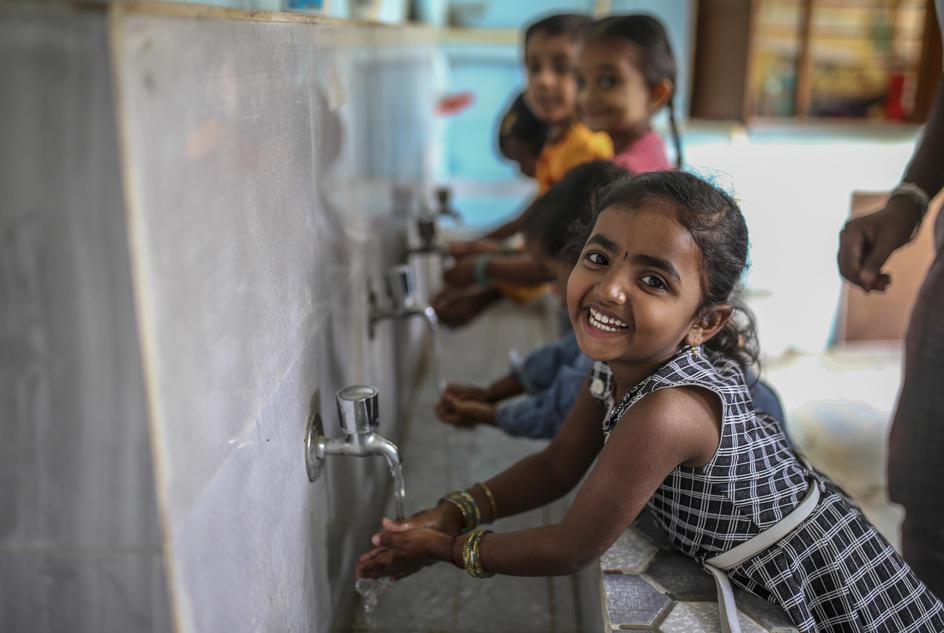
Wash Hands Frequently
Handwashing with soap remains one of the most effective preventive measures.
Practice Safe Food Handling
- Cook food thoroughly
- Wash fruits and vegetables
- Avoid raw seafood
Improve Sanitation
Proper sewage disposal helps prevent outbreaks.
Community Education
Public awareness programs reduce disease transmission.

Cholera Vaccines
Several oral cholera vaccines are available and can protect against the disease.
Vaccination is particularly recommended for:
- Travelers to high-risk areas
- People living in outbreak regions
- Humanitarian workers
- Refugee populations
Vaccines are most effective when combined with sanitation and hygiene measures.
Global Burden of Cholera
It remains a significant public health challenge in many parts of Africa, Asia, and regions experiencing humanitarian crises.
Factors contributing to ongoing outbreaks include:
- Poverty
- Limited healthcare access
- Climate-related disasters
- Population displacement
- Inadequate sanitation infrastructure
Continued investments in clean water and public health programs are essential for reducing the global burden.
When Should You See a Doctor?
Seek immediate medical attention if you experience:
- Severe watery diarrhea
- Signs of dehydration
- Persistent vomiting
- Dizziness
- Fainting
- Rapid heartbeat
- Reduced urination
Early treatment dramatically improves outcomes.
Prognosis and Recovery
With prompt treatment, most individuals recover fully within a few days.
The prognosis is excellent when dehydration is corrected quickly through ORS or intravenous fluids.
However, delayed treatment significantly increases the risk of severe complications and death.
Conclusion
Cholera is a potentially life-threatening bacterial infection that primarily spreads through contaminated food and water. While the disease can cause severe diarrhea and rapid dehydration, it is both preventable and highly treatable when recognized early. Access to safe drinking water, proper sanitation, hand hygiene, and prompt medical care remain the cornerstones of control.
Public health improvements have dramatically reduced it in many parts of the world, yet outbreaks continue to occur where clean water and sanitation are limited. Raising awareness about symptoms, treatment, and prevention can help save lives and reduce transmission.
If you or someone you know develops severe watery diarrhea, especially after exposure to unsafe food or water, seek immediate medical attention. Early treatment with oral rehydration therapy and appropriate medical care can make a life-saving difference.
Frequently Asked Questions (FAQs)
1. Is cholera contagious?
Yes, it can spread from person to person indirectly through contaminated food or water. The bacteria are shed in the stool of infected individuals and can contaminate community water supplies if proper sanitation is lacking.
2. Can cholera be cured?
Yes, it is highly treatable when diagnosed early. Most patients recover completely with prompt rehydration therapy, and severe cases may require intravenous fluids and antibiotics.
3. How long does cholera last?
The duration varies depending on the severity and treatment received. With proper medical care, most people recover within a few days, while untreated cases can worsen rapidly.
4. What is the main danger of cholera?
The greatest danger is severe dehydration caused by rapid fluid and electrolyte loss through diarrhea and vomiting. If left untreated, dehydration can lead to shock, organ failure, and death.
5. Can cholera be prevented?
Yes, it is largely preventable through access to safe drinking water, proper sanitation, good hand hygiene, and safe food preparation practices. Vaccination may also help protect people in high-risk areas.
6. Is cholera still common today?
Although it has become rare in many developed countries, it remains a significant health concern in parts of Africa, Asia, and areas affected by poverty, conflict, or natural disasters.
7. Can children get cholera?
Yes, children can contract it and are often more vulnerable to its effects. Because dehydration develops more quickly in children, prompt treatment is especially important.
8. What should I drink if I have cholera?
Oral Rehydration Solution (ORS) is the best fluid for replacing lost water and electrolytes. Clean water, soups, and medically recommended rehydration drinks can also help prevent dehydration.
9. Can cholera cause long-term health problems?
Most people recover fully without long-term complications if treated promptly. However, severe dehydration and delayed treatment may occasionally lead to kidney damage or other serious health issues.
10. When should I seek medical attention for cholera?
You should seek immediate medical care if you experience severe watery diarrhea, persistent vomiting, signs of dehydration, dizziness, or reduced urination. Early treatment can be life-saving and greatly improve recovery outcomes.
Reference: https://en.wikipedia.org/wiki/Cholera