
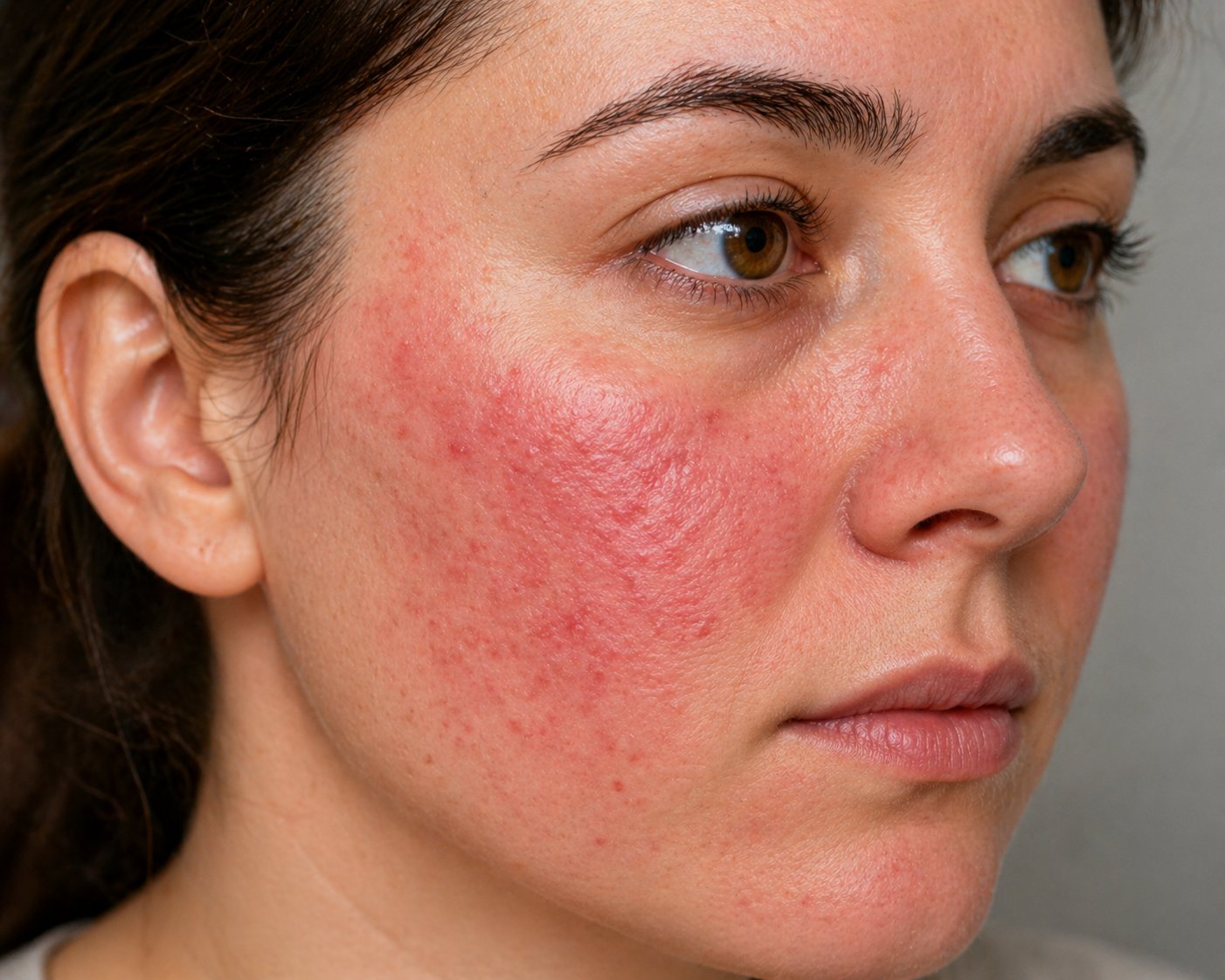
Skin inflammation (त्वचा की सूजन) is a sign of an immune response in the body. Symptoms include discoloration (a change in skin tone), heat, swelling, pain, and itching. Skin inflammation has many potential causes, including allergies, infections, and autoimmune diseases. Most cases of inflammation are curable, although the treatment depends on what is causing the inflammation.
Skin Inflammation: Causes, Symptoms, Treatments & Prevention
It is one of the most common dermatological concerns affecting people of all ages. From mild redness to chronic conditions like eczema and psoriasis, inflamed skin can significantly impact comfort, appearance, and overall health. This comprehensive guide explores everything you need to know about skin inflammation—its causes, symptoms, types, diagnosis, treatment, Ayurveda treatments, home remedies, and prevention.
What is Skin Inflammation?
It is the body’s natural immune response to injury, infection, irritation, or allergens. When your immune system detects a threat, it triggers inflammation to protect and heal the skin. This process often results in redness, swelling, heat, itching, or pain.
In medical terms, it is commonly referred to as dermatitis—a broad term describing irritated or inflamed skin conditions.
How Skin Inflammation Works
Inflammation occurs when immune cells release chemicals that increase blood flow to the affected area. This causes visible symptoms like redness and warmth. These substances also make blood vessels more permeable, allowing immune cells to reach the site of injury or infection.
While this response is essential for healing, excessive or chronic inflammation can damage the skin barrier and lead to long-term conditions.
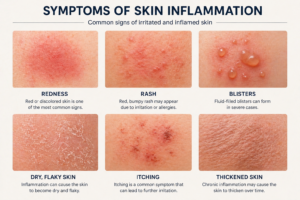
Common Symptoms of Skin Inflammation
Symptoms can vary depending on the cause, but the most frequent signs include:
- Redness and discoloration
- Swelling and warmth
- Itching or burning sensation
- Dry, cracked, or scaly skin
- Blisters or oozing lesions
- Thickened skin over time
In severe cases, inflammation may cause pain, bleeding, or infection.
Causes of Skin Inflammation
It can arise from multiple internal and external triggers:
Allergic Reactions
Exposure to allergens like cosmetics, fragrances, metals, or plants can trigger inflammation. This is commonly seen in contact dermatitis.
Infections
Bacterial, viral, fungal, or parasitic infections can cause inflammation of the skin as the immune system fights the pathogens.
Autoimmune Conditions
Diseases like psoriasis occur when the immune system mistakenly attacks healthy skin cells, causing chronic inflammation.
Environmental Factors
Pollution, UV radiation, extreme weather, and chemicals can damage the skin barrier and trigger inflammation.
Genetics
A family history of skin conditions increases the risk of developing inflammatory skin disorders.
Stress and Lifestyle
Stress, poor diet, and lack of sleep can worsen inflammation by disrupting immune balance.
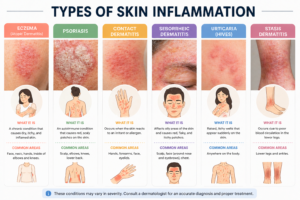
Types of Skin Inflammation
Atopic Dermatitis (Eczema)
A chronic condition causing dry, itchy, inflamed patches, often linked to allergies.
Contact Dermatitis
Occurs when the skin reacts to irritants or allergens like soaps, chemicals, or jewelry.
Seborrheic Dermatitis
Affects oily areas such as the scalp and face, causing dandruff and redness.
Psoriasis
An autoimmune disorder causes thick, scaly patches on the skin.
Urticaria (Hives)
Raised, itchy welts triggered by allergies, stress, or infections.
Infectious Dermatitis
Inflammation caused by bacterial or fungal infections. Dermatitis conditions often involve itching, redness, and skin damage, though they are not contagious.
Diagnosis of Skin Inflammation
Diagnosing skin inflammation typically involves:
- Physical examination of the skin
- Medical history review
- Patch testing for allergies
- Skin biopsy in complex cases
Doctors may use patch tests to identify specific allergens causing reactions.
Treatment Options for Skin Inflammation
Treatment depends on the underlying cause, but generally includes:
Topical Treatments
- Corticosteroid creams
- Anti-inflammatory ointments
- Moisturizers to restore the skin barrier
Oral Medications
- Antihistamines for allergies
- Antibiotics for infections
- Immunosuppressants for autoimmune conditions
Lifestyle Changes
- Avoid triggers (chemicals, allergens)
- Maintain proper hygiene
- Use gentle skincare products
Advanced Therapies
- Phototherapy (light therapy)
- Biologic drugs for severe cases
Managing inflammation often involves a combination of treatments and preventive care.
Ayurveda Treatments for Skin Inflammation
In Ayurveda, it is often linked to an imbalance in the three doshas—especially Pitta (heat) and Kapha (moisture). When these energies are disturbed, toxins (Ama) accumulate in the body, leading to redness, itching, swelling, and irritation. Ayurvedic treatment focuses on restoring balance, detoxifying the body, and soothing the skin naturally.
1. Herbal Remedies
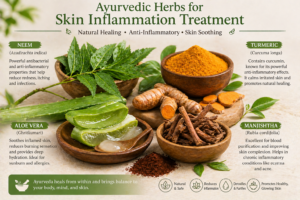
Neem (Azadirachta indica)
Neem is widely used for its antibacterial and anti-inflammatory properties. It helps reduce redness, itching, and infections while purifying the blood.
Turmeric (Haldi)
Turmeric contains curcumin, known for its powerful anti-inflammatory effects. It helps calm irritated skin and supports healing from within.
Aloe Vera (Ghritkumari)
Aloe vera gel soothes inflamed skin, reduces burning sensations, and promotes hydration. It’s especially useful for sunburn and allergic reactions.
Manjistha
This Ayurvedic herb is known for blood purification and improving skin complexion. It helps in chronic inflammatory conditions like eczema and acne.
2. External Therapies (Topical Applications)
Herbal Pastes (Lepa)
Natural pastes made from sandalwood, turmeric, or neem are applied directly to the skin. These help reduce heat, redness, and irritation.
Medicated Oils
Oils like coconut oil infused with herbs or medicated oils such as Mahamarichyadi oil are used to soothe dryness and inflammation.
Kumkumadi Tailam
A popular Ayurvedic oil that nourishes the skin and reduces inflammation while improving skin tone.
3. Panchakarma Detox Therapies
Panchakarma is a specialized cleansing process aimed at removing toxins from the body.
- Virechana (Purgation Therapy): Helps eliminate excess Pitta and toxins
- Raktamokshana (Bloodletting): Used in severe skin conditions to purify blood
- Abhyanga (Oil Massage): Improves circulation and reduces inflammation
These therapies should always be performed under professional supervision.
4. Ayurvedic Diet (Ahara)
Diet plays a crucial role in managing skin inflammation:
- Eat cooling foods like cucumber, coconut, and leafy greens
- Avoid spicy, oily, and processed foods
- Drink herbal teas like coriander or fennel water
- Stay hydrated to flush out toxins
Balancing diet helps control internal heat and prevents flare-ups.
5. Lifestyle Practices (Vihara)
- Practice yoga and meditation to reduce stress
- Maintain proper sleep cycles
- Avoid excessive sun exposure
- Use natural, chemical-free skincare products
A balanced lifestyle supports long-term skin health and prevents recurrence.
Important Note
While Ayurveda offers natural and effective solutions, results may vary depending on individual body constitution (Prakriti). It’s always advisable to consult a qualified Ayurvedic practitioner before starting treatments, especially for chronic or severe skin conditions.
Home Remedies for Skin Inflammation
While medical treatment is important, some natural remedies can provide relief:
- Aloe Vera: Soothes irritation and reduces redness
- Cold Compress: Reduces swelling and itching
- Oatmeal Baths: Relieves dryness and irritation
- Coconut Oil: Moisturizes and supports skin healing
- Turmeric: Known for its anti-inflammatory properties
Always consult a doctor before trying home remedies for severe conditions.
Lifestyle Tips to Reduce Skin Inflammation
- Stay hydrated
- Eat anti-inflammatory foods (fruits, vegetables, omega-3s)
- Manage stress through yoga or meditation
- Avoid harsh skincare products
- Protect skin from sun exposure
Complications of Untreated Skin Inflammation
If left untreated, skin inflammation can lead to:
- Skin infections
- Permanent discoloration
- Thickened or scarred skin
- Reduced quality of life
Repeated scratching can break the skin and increase infection risk.
Prevention Strategies
Preventing skin inflammation involves:
- Using mild, fragrance-free skincare products
- Avoiding known irritants
- Keeping skin moisturized
- Taking short, lukewarm showers
- Wearing protective clothing when handling chemicals
A consistent skincare routine plays a crucial role in prevention.

The Role of the Immune System
Your immune system plays a central role in skin inflammation. When it overreacts, it can trigger chronic inflammatory conditions. Understanding this connection is key to managing long-term skin health.
When to See a Doctor
Seek medical help if:
- Symptoms persist or worsen
- Pain or infection develops
- Skin condition affects daily life
- Over-the-counter treatments don’t work
Early diagnosis can prevent complications and improve outcomes.
Skin Inflammation vs. Infection: Key Difference
| Feature | Skin Inflammation | Skin Infection |
|---|---|---|
| Cause | Immune response | Pathogens |
| Symptoms | Redness, itching | Pus, fever, swelling |
| Treatment | Anti-inflammatory | Antibiotics/antifungals |
Conclusion
Frequently Asked Questions
1. What is skin inflammation?
It is the body’s immune response to irritation, infection, or allergens. It often appears as redness, swelling, itching, or pain. While it helps protect the skin, excessive inflammation can lead to discomfort and damage.
2. What causes skin inflammation?
Common causes include allergic reactions, infections, autoimmune conditions, and environmental irritants. Factors like stress, poor diet, and harsh skincare products can also trigger or worsen inflammation.
3. Is skin inflammation the same as dermatitis?
Yes, dermatitis is a general medical term used to describe inflamed skin. It includes conditions like eczema, contact dermatitis, and seborrheic dermatitis, all of which involve irritation and redness.
4. Can skin inflammation go away on its own?
Mild cases may resolve naturally once the trigger is removed. However, persistent or severe inflammation often requires treatment such as medicated creams or lifestyle adjustments.
5. How can I reduce skin inflammation quickly?
You can use cold compresses, gentle moisturizers, and anti-inflammatory creams to soothe the skin. Avoiding irritants and keeping the skin hydrated also helps speed up recovery.
6. Does diet affect skin inflammation?
Yes, diet plays a significant role in skin health. Anti-inflammatory foods like fruits, vegetables, and omega-3 fatty acids can help reduce symptoms, while processed foods may worsen them.
7. Is skin inflammation contagious?
No, most types—such as eczema or allergic reactions—are not contagious. However, inflammation caused by infections may involve contagious pathogens.
8. When should I see a doctor for skin inflammation?
You should seek medical advice if symptoms persist, worsen, or cause pain and infection. Professional diagnosis is important for chronic conditions or when over-the-counter treatments don’t work.
9. Can stress trigger skin inflammation?
Yes, stress can disrupt the immune system and trigger flare-ups of inflammatory skin conditions. Managing stress through relaxation techniques can help control symptoms.
10. Are home remedies effective for skin inflammation?
Home remedies like aloe vera, oatmeal baths, and coconut oil can provide relief for mild cases. However, they should not replace medical treatment for severe or chronic conditions.
Reference: https://www.verywellhealth.com/skin-inflammation-5095859