
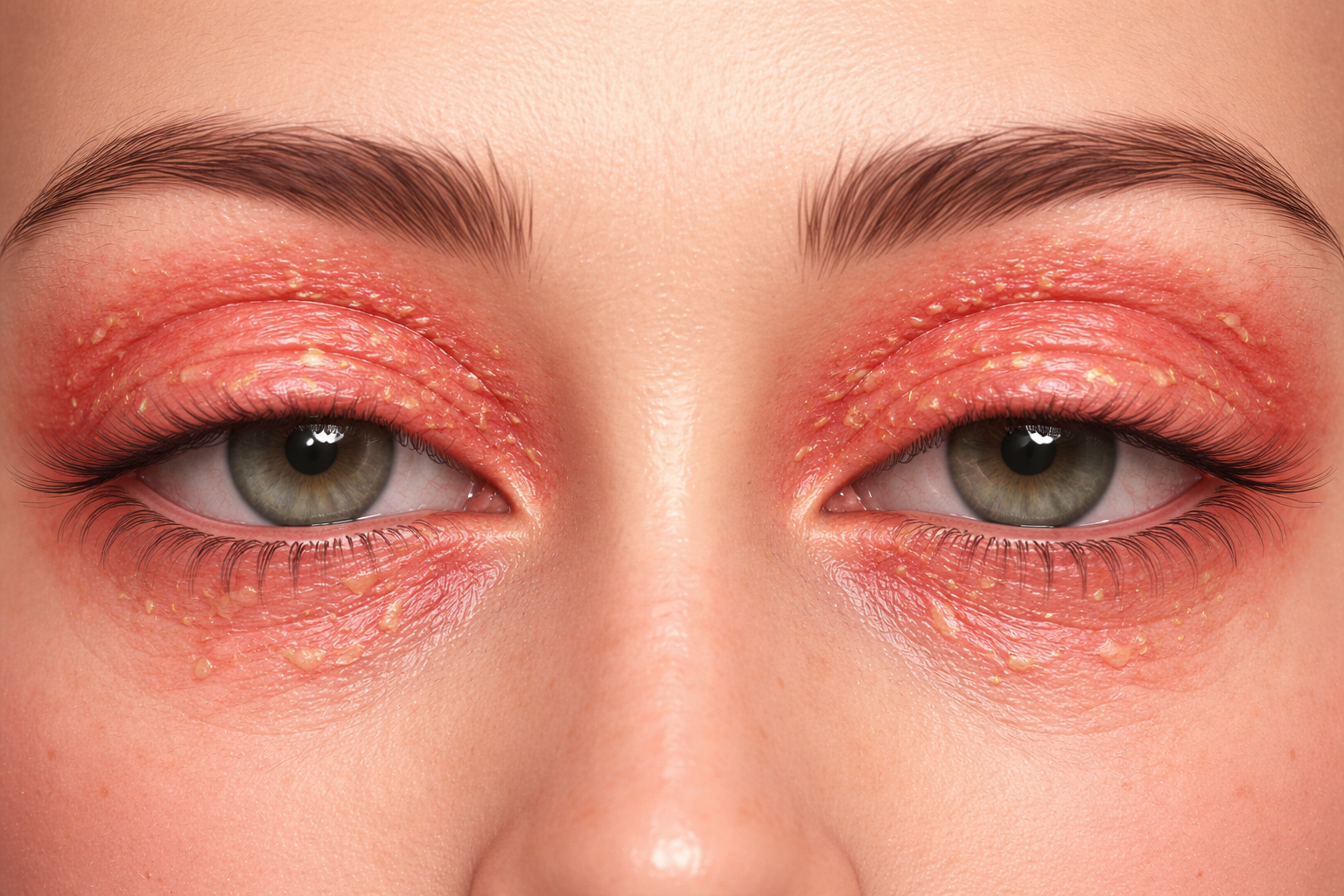
Eyelid dermatitis (पलक जिल्द की सूजन) is commonly related to atopic dermatitis or allergic contact dermatitis. Volatile substances, tosylamide/formaldehyde resin, epoxy hardeners, insect repellent sprays, and lemon peel oil may be implicated, with many cases of eyelid contact dermatitis being caused by substances transferred by the hands to the eyelids.
Eyelid dermatitis is a common yet often frustrating skin condition that affects the delicate skin around the eyes. Because the eyelid skin is extremely thin and sensitive, even minor irritants can trigger noticeable symptoms like redness, itching, and swelling.
What is Eyelid Dermatitis?
Eyelid dermatitis (also known as eyelid eczema or periorbital dermatitis) is a type of skin inflammation affecting the eyelids, usually caused by irritation or allergic reactions.
It is a form of contact dermatitis, meaning it occurs when your skin reacts to a substance it comes into contact with—either as an irritant or allergen.
Key Characteristics
- Red, inflamed eyelids
- Itching or burning sensation
- Dry, flaky, or scaly skin
- Swelling or thickening
While it can look alarming, eyelid dermatitis is usually not dangerous or contagious and can be effectively managed with proper care.
Types of Eyelid Dermatitis
Understanding the type helps determine the right treatment.
Irritant Contact Dermatitis
- Caused by direct irritation (not immune-related)
- Accounts for most cases (~80%)
Common triggers
- Harsh soaps or detergents
- Excessive rubbing or washing
- Environmental factors (heat, cold, humidity)
Allergic Contact Dermatitis
- Caused by an immune reaction to allergens
- May develop suddenly—even after years of use
Common allergens
- Cosmetics (mascara, eyeliner, eyeshadow)
- Fragrances and preservatives
- Nickel in jewelry or tools
- Eye drops or contact lens solutions
Atopic Dermatitis (Eczema)
Seborrheic Dermatitis
- Associated with oily skin and dandruff
- May affect eyebrows and eyelids
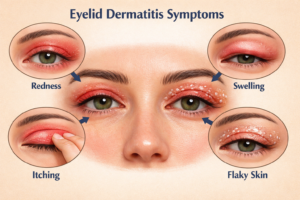
Symptoms of Eyelid Dermatitis
Symptoms may vary in severity and can affect one or both eyes.
Common Symptoms
- Itching (most frequent symptom)
- Red or discolored rash
- Swelling or puffiness
- Burning or stinging sensation
- Dry, flaky, or scaly skin
- Thickened or wrinkled skin over time
In severe cases:
- Blistering
- Crusting
- Pain or discomfort
These symptoms can interfere with daily activities like reading, working, or sleeping.
Causes of Eyelid Dermatitis
Eyelid dermatitis is usually triggered by external substances or environmental factors.
Cosmetics & Skincare Products
- Eye makeup (mascara, eyeliner, shadow)
- Moisturizers and cleansers
- Sunscreens
Environmental Irritants
- Dust and pollution
- Pollen and allergens
- Extreme weather (heat/cold)
Chemicals & Household Products
- Soaps, detergents, bleach
- Hair dyes and sprays
- Chlorine
Metals & Accessories
- Nickel in jewelry
- Eyelash curlers
- Glasses frames
Medical Products
- Eye drops
- Contact lens solutions
- Topical antibiotics
Lifestyle Factors
- Excessive rubbing of the eyes
- Poor hygiene
- Stress (can worsen symptoms)
The eyelid skin’s thin structure makes it more vulnerable to irritation than other areas of the body.
Eyelid Dermatitis Risk Factors
You are more likely to develop eyelid dermatitis if you:
- Have sensitive skin
- Have a history of eczema or allergies
- Frequently use cosmetics
- Work in environments with chemicals or dust
- Wear contact lenses
Eyelid Dermatitis Diagnosis
Doctors usually diagnose eyelid dermatitis based on symptoms and medical history.
Common diagnostic methods
- Physical examination
- Patch testing (to identify allergens)
- Allergy tests
Early diagnosis helps prevent chronic irritation and complications.
Treatment of Eyelid Dermatitis
Treatment focuses on relieving symptoms and avoiding triggers.
Medical Treatments
Topical Corticosteroids
- Reduce inflammation and itching
- Used short-term to avoid side effects
Calcineurin Inhibitors
- Non-steroid creams (safer for eyelids)
- Suitable for long-term use
Oral Medications
- Antihistamines for allergies
- Oral steroids in severe cases
Antibiotics
- Used if a secondary infection occurs
Home Remedies
These can help soothe mild symptoms:
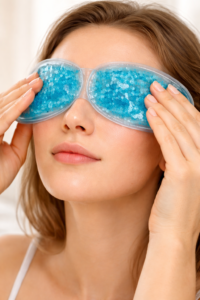
- Cold compresses to reduce swelling
- Gentle moisturizers (fragrance-free)
- Avoid scratching or rubbing
- Use hypoallergenic products
Lifestyle Changes
- Stop using eye makeup temporarily
- Replace old cosmetics regularly
- Switch to mild, fragrance-free skincare
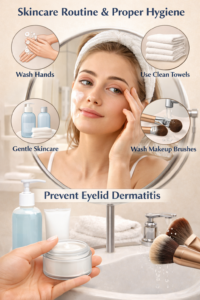
- Maintain good eyelid hygiene
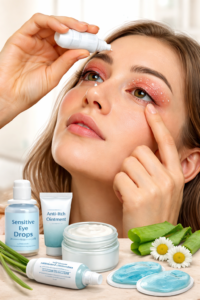
Prevention Tips
Preventing flare-ups is often easier than treating them.
Key Prevention Strategies
- Identify and avoid triggers
- Patch-test new products
- Use gentle skincare
- Avoid touching your eyes frequently
- Clean makeup brushes regularly
- Maintain proper hydration
Complications of Eyelid Dermatitis
If left untreated, it may lead to:
- Skin infections (due to scratching)
- Chronic thickened skin
- Eye irritation or redness
- Sleep disturbances
In rare cases, severe swelling may affect vision temporarily.
When to See a Doctor
Seek medical attention if:
- Symptoms persist for more than 1–2 weeks
- Swelling becomes severe
- Vision is affected
- Signs of infection appear (pus, fever)
Ayurveda Treatments for Eyelid Dermatitis
In Ayurveda, eyelid dermatitis is generally viewed as a skin imbalance caused by aggravated Pitta (heat, inflammation) and Vata (dryness, irritation) doshas. Since the eyelids are delicate and sensitive, Ayurvedic treatment focuses on gentle cooling, hydration, detoxification, and lifestyle correction. Here’s a comprehensive guide to Ayurvedic remedies that can help soothe and manage eyelid dermatitis naturally.
Understanding the Ayurvedic Perspective
According to Ayurveda:
- Pitta imbalance → redness, burning, inflammation
- Vata imbalance → dryness, flaking, itching
- Kapha imbalance (sometimes) → swelling, heaviness
Treatment aims to restore dosha balance, purify the blood, and nourish the skin.
Top Ayurvedic Treatments for Eyelid Dermatitis
Aloe Vera (Ghritkumari)
Aloe vera is one of the best natural remedies for inflamed skin.
Benefits
- Cooling and soothing
- Reduces redness and irritation
- Promotes skin healing
How to Use
- Apply a small amount of fresh aloe gel around the eyelids
- Leave for 10–15 minutes, then rinse with cool water
Avoid direct contact with the eyes.
Coconut Oil (Nariyal Taila)
Coconut oil is widely used in Ayurveda for skin nourishment.
Benefits
- Deep moisturization
- Anti-inflammatory properties
- Helps repair the skin barrier
How to Use
- Apply a thin layer before bedtime
- Use virgin, cold-pressed oil
Cucumber (Kheera)
Cucumber has natural cooling effects.
Benefits
- Reduces swelling and puffiness
- Soothes irritation
- Hydrates skin
How to Use
- Place chilled cucumber slices over closed eyes for 10–15 minutes
Rose Water (Gulab Jal)
Rose water is a classic Ayurvedic cooling remedy.
Benefits
- Calms inflamed skin
- Refreshes and hydrates
- Mild antiseptic properties
How to Use
- Soak cotton pads in rose water
- Place gently over eyelids
Turmeric (Haldi)
Turmeric is known for its powerful healing properties.
Benefits
- Anti-inflammatory
- Antibacterial
- Supports skin repair
How to Use
- Mix a pinch with milk or water
- Apply carefully (avoid eye contact)
Cold Milk Compress
Milk acts as a natural cleanser and soothing agent.
Benefits
- Reduces irritation
- Softens dry skin
- Provides cooling relief
How to Use
- Dip cotton in cold milk
- Apply over eyelids for 10 minutes
Triphala Eye Wash (Under Guidance)
Triphala is widely used for eye health in Ayurveda.
Benefits
- Detoxifies and cleanses
- Supports eye and skin health
How to Use
- Use only under Ayurvedic practitioner supervision
- Improper use may irritate the eyes
Ayurvedic Herbs for Internal Healing
Internal detoxification is key in Ayurveda.
Neem
Neem
- Purifies blood
- Reduces skin inflammation
Manjistha
Manjistha
- Supports skin detox
- Improves complexion
Amla
Amla
- Rich in Vitamin C
- Boosts immunity and skin health
Take internal herbs only after consulting a qualified practitioner.
Lifestyle & Diet (Ayurvedic Approach) for Eyelid Dermatitis
Recommended Diet
- Cooling foods: cucumber, coconut, leafy greens
- Hydrating fluids: water, herbal teas
- Fresh fruits
Avoid
- Spicy, oily, and fried foods
- Excess caffeine
- Processed foods
Daily Habits (Dinacharya)
- Avoid rubbing your eyes
- Get adequate sleep
- Practice stress management (yoga, meditation)
- Maintain eye hygiene
Important Precautions
- The eyelid skin is extremely sensitive—always do a patch test
- Avoid getting any substance inside the eyes
- Stop immediately if irritation increases
- Consult a doctor for severe or persistent symptoms
When Ayurveda Works Best
Ayurvedic treatments are most effective for:
- Mild to moderate eyelid dermatitis
- Chronic, recurring irritation
- People seeking natural, chemical-free care
For severe cases, combining Ayurveda with modern medical treatment is often the best approach.
Home Remedies for Eyelid Dermatitis
Eyelid dermatitis can feel especially uncomfortable because of the thin, sensitive skin around your eyes. The good news? Many simple home remedies can help calm irritation, reduce redness, and restore moisture—if used carefully. Here’s a practical, dermatologist-friendly guide to soothing eyelid dermatitis at home.
Cold Compress (Instant Relief)
Why it works
- Reduces inflammation and swelling
- Soothes itching and burning
How to use
- Soak a clean cloth in cold water
- Place it gently over closed eyes for 10–15 minutes
- Repeat 2–3 times daily
Cucumber Slices (Cooling & Hydrating)
Cucumber is a classic remedy for irritated eyes.
Benefits
- Natural cooling effect
- Reduces puffiness
- Hydrates skin
How to use
- Place chilled slices over closed eyelids
- Leave for 10–15 minutes
Coconut Oil (Deep Moisturizer)
Coconut oil helps repair dry, damaged skin.
Benefits
- Restores skin barrier
- Reduces flaking and dryness
- Mild anti-inflammatory action
How to use
- Apply a very thin layer before bedtime
- Use virgin, cold-pressed oil
Avoid getting oil into the eyes.
Aloe Vera Gel (Soothing & Healing)
Aloe vera is widely used for skin inflammation.
Benefits
- Calms irritation
- Reduces redness
- Promotes healing
How to use
- Apply fresh gel around eyelids
- Leave for 10 minutes, then rinse
Rose Water Compress (Gentle Cleanser)
Rose water is mild and refreshing.
Benefits
- Soothes sensitive skin
- Reduces irritation
- Provides hydration
How to use
- Soak cotton pads in rose water
- Place on eyelids for 10 minutes
Cold Milk Compress (Softening Effect)
Milk acts as a natural soothing agent.
Benefits
- Reduces dryness
- Calms irritation
- Cleanses gently
How to use
- Dip cotton in cold milk
- Apply over eyelids for 5–10 minutes
Oatmeal (Anti-Itch Remedy)
Oatmeal is known for its skin-soothing properties.
Benefits
- Relieves itching
- Reduces inflammation
- Supports skin repair
How to use
- Mix finely ground oatmeal with water
- Apply gently around eyelids (not inside eyes)
- Rinse after 10 minutes
Gentle Cleansing Routine
Sometimes, less is more.
Tips
- Wash eyelids with lukewarm water
- Use fragrance-free cleansers
- Avoid harsh soaps
Avoid Triggers (Most Important Step)
Home remedies won’t work if triggers remain.
Common triggers to avoid
- Eye makeup (mascara, eyeliner, shadow)
- Harsh skincare products
- Dust, smoke, and pollution
- Excessive eye rubbing
Use Hypoallergenic Moisturizers
Keeping skin hydrated is essential.
Look for
- Fragrance-free products
- Sensitive-skin formulations
- Dermatologist-tested creams
Lifestyle Support for Eyelid Dermatitis
Small daily habits make a big difference:
- Stay hydrated
- Get enough sleep
- Manage stress
- Maintain good eye hygiene
Important Safety Tips for Eyelid Dermatitis
Because the eye area is delicate:
- Always do a patch test first
- Never apply anything directly to the eyes
- Stop immediately if irritation worsens
- Avoid mixing too many remedies at once
When Home Remedies Are Not Enough
Seek medical advice if:
- Symptoms persist beyond 1–2 weeks
- Swelling becomes severe
- Pain or discharge appears
- Vision is affected
Conclusion
Reference: https://en.wikipedia.org/wiki/Eyelid_dermatitis
Age 80+ Harnia surgery ayurvedic
Supplementary treatment