
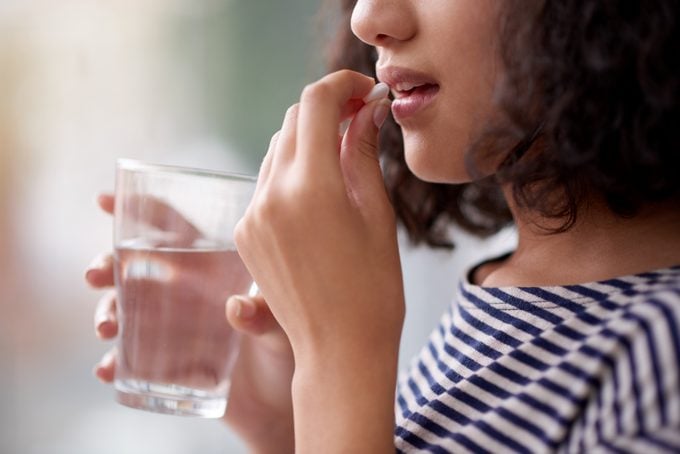
Thiamine deficiency (थियामिन की कमी) is a medical condition of low levels of thiamine (vitamin B1). A severe and chronic form is known as beriberi. The name beriberi was possibly borrowed in the 18th century from the Sinhalese phrase බැරි බැරි (bæri bæri, “I cannot, I cannot”), owing to the weakness caused by the condition. The two main types in adults are wet beriberi and dry beriberi. Wet beriberi affects the cardiovascular system, resulting in a fast heart rate, shortness of breath, and leg swelling. Dry beriberi affects the nervous system, resulting in numbness of the hands and feet, confusion, trouble moving the legs, and pain. A form with loss of appetite and constipation may also occur. Another type, Acute beriberi, which is most commonly found in infants, presents with loss of appetite, vomiting, lactic acidosis, changes in heart rate, and cardiac enlargement.
Thiamine Deficiency Meaning
Thiamine deficiency is a condition in which the body does not have enough thiamine (vitamin B1) to carry out normal functions. Simply meaning Thiamine deficiency occurs when your body lacks vitamin B1, a nutrient essential for energy production, nerve function, and brain health.
Thiamine Deficiency Medical Definition
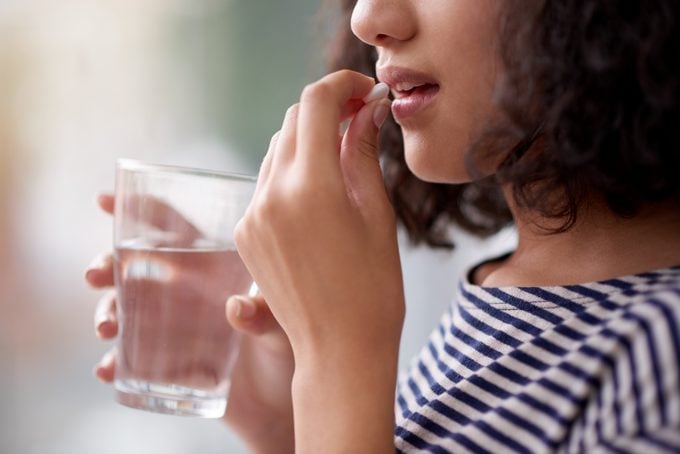
Thiamine deficiency is a nutritional disorder caused by inadequate intake, absorption, or utilization of vitamin B1, resulting in neurological, cardiovascular, and metabolic disturbances. In severe or prolonged cases, thiamine deficiency can lead to conditions like beriberi or Wernicke–Korsakoff syndrome.
Thiamine Deficiency Types
Thiamine (vitamin B1) deficiency is broadly classified into three main types, based on which systems of the body are most affected. Each type has distinct features, causes, and health consequences.
Dry Beriberi (Neurological Thiamine Deficiency)
Dry beriberi primarily affects the nervous system.
How it develops
Thiamine is essential for nerve energy metabolism. When it is deficient, nerve cells cannot function properly, leading to nerve damage (neuropathy).
Key features
-
Peripheral neuropathy (tingling, numbness, burning sensation)
-
Muscle weakness and wasting
-
Difficulty walking or loss of coordination
-
Reduced reflexes
-
Chronic fatigue
Who is at risk?
-
People with poor nutrition
-
Chronic alcohol users
-
Elderly individuals
-
People with malabsorption disorders
Long-term impact
If untreated, dry beriberi can cause permanent nerve damage and disability.
Wet Beriberi (Cardiovascular Thiamine Deficiency)
Wet beriberi mainly affects the heart and circulatory system.
How does it develop?
Thiamine deficiency disrupts heart muscle metabolism, causing the heart to pump inefficiently and leading to fluid accumulation.
Key features
-
Swelling of legs, feet, and hands (edema)
-
Shortness of breath
-
Rapid heartbeat (tachycardia)
-
Enlarged heart
-
Signs of heart failure
Who is at risk?
-
Individuals with severe nutritional deficiency
-
People with chronic illnesses
-
Alcohol-dependent individuals
Severity
Wet beriberi is life-threatening if not treated promptly, as it can lead to acute heart failure.
Wernicke–Korsakoff Syndrome (Brain-Related Thiamine Deficiency)
This is the most severe form of thiamine deficiency and mainly affects the brain. It has two stages:
Wernicke’s Encephalopathy (Acute Stage)
A medical emergency caused by sudden and severe thiamine depletion.
Symptoms
-
Confusion and disorientation
-
Poor muscle coordination (ataxia)
-
Abnormal eye movements or double vision
-
Drowsiness or coma (in severe cases)
If untreated, it can progress to Korsakoff syndrome or cause death.
Korsakoff’s Psychosis (Chronic Stage)
A long-term brain disorder resulting from prolonged thiamine deficiency.
Symptoms
-
Severe memory loss
-
Difficulty forming new memories
-
Confabulation (making up stories unknowingly)
-
Personality changes
This condition is often irreversible.
Infantile Thiamine Deficiency (Special Type)
Seen in infants, especially those breastfed by mothers who are thiamine-deficient.
Symptoms
-
Irritability and crying
-
Vomiting
-
Rapid heart rate
-
Heart failure
-
Breathing difficulty
Without early treatment, it can be fatal.
Summary Table
| Type | Affected System | Main Features |
|---|---|---|
| Dry Beriberi | Nervous system | Neuropathy, weakness |
| Wet Beriberi | Heart & circulation | Edema, heart failure |
| Wernicke’s Encephalopathy | Brain | Confusion, eye problems |
| Korsakoff’s Psychosis | Brain | Memory loss |
| Infantile Deficiency | Heart & brain | Heart failure, irritability |
Key takeaway
Thiamine deficiency is not a single condition but a spectrum of disorders affecting the nerves, heart, and brain. Early diagnosis and timely thiamine supplementation can fully reverse most forms, except in cases of advanced neurological damage.
Thiamine Deficiency Symptoms
Thiamine (vitamin B1) deficiency causes symptoms that mainly affect the nervous system, heart, muscles, and brain. The symptoms may start mildly and become severe if the deficiency is not treated.
Early Symptoms of Thiamine Deficiency
These symptoms are often subtle and easily overlooked:
-
Persistent fatigue and low energy
-
Loss of appetite
-
Irritability or mood changes
-
Difficulty concentrating
-
Mild muscle weakness
-
Weight loss
Neurological Symptoms (Nervous System)
Due to impaired nerve function:
-
Tingling, numbness, or burning sensation in hands and feet
-
Peripheral neuropathy
-
Muscle cramps
-
Difficulty walking or poor balance
-
Reduced reflexes
-
Memory problems
Cardiovascular Symptoms (Heart and Circulation)
More common in wet beriberi:
-
Swelling of legs, ankles, or feet (edema)
-
Shortness of breath
-
Rapid or irregular heartbeat
-
Chest discomfort
-
Low blood pressure
-
Signs of heart failure in severe cases
Brain and Mental Symptoms
Seen in severe deficiency or Wernicke–Korsakoff syndrome:
-
Confusion or disorientation
-
Drowsiness
-
Difficulty coordinating movements (ataxia)
-
Abnormal eye movements or blurred/double vision
-
Severe memory loss
-
Hallucinations or behavioral changes
Muscular and Gastrointestinal Symptoms
-
Muscle pain and tenderness
-
Muscle wasting (loss of muscle mass)
-
Nausea and vomiting
-
Abdominal discomfort
Symptoms in Infants
Infantile thiamine deficiency is serious and life-threatening:
-
Excessive crying and irritability
-
Poor feeding
-
Vomiting
-
Fast heart rate
-
Breathing difficulty
-
Heart failure
Warning Signs That Need Immediate Medical Attention
-
Sudden confusion or altered consciousness
-
Eye movement abnormalities
-
Severe shortness of breath
-
Swelling with heart symptoms
Key takeaway
Thiamine deficiency can affect multiple organs, and symptoms may range from mild fatigue to severe neurological and heart complications. Early recognition and treatment can often reverse most symptoms, but delayed treatment may lead to permanent damage.

Thiamine Deficiency Causes
Thiamine (vitamin B1) deficiency occurs when the body does not get enough thiamine, cannot absorb it properly, or uses it too quickly. The causes can be grouped into dietary, medical, lifestyle, and special conditions.
Poor Dietary Intake (Most Common Cause)
Not consuming enough thiamine-rich foods leads to deficiency.
Common reasons
-
Diet mainly based on polished white rice
-
Highly processed or refined foods
-
Prolonged fasting or starvation
-
Very restrictive diets or eating disorders
-
Malnutrition or poverty-related food scarcity
Chronic Alcohol Consumption
Alcohol is a major risk factor for thiamine deficiency.
How alcohol causes deficiency
-
Reduces intestinal absorption of thiamine
-
Impairs thiamine storage in the liver
-
Interferes with conversion to active thiamine
-
Increases urinary loss of thiamine
This is why alcohol-related thiamine deficiency often leads to Wernicke–Korsakoff syndrome.
Poor Absorption (Malabsorption Disorders)
Even with adequate intake, the body may fail to absorb thiamine.
Conditions include
-
Celiac disease
-
Crohn’s disease
-
Chronic diarrhea
-
Bariatric (weight-loss) surgery
-
Long-term vomiting
Increased Requirement for Thiamine
Certain conditions increase the body’s need for thiamine.
Examples
-
Pregnancy and breastfeeding
-
Fever or severe infections
-
Hyperthyroidism
-
Intense physical labor
-
High-carbohydrate diets
Excessive Loss of Thiamine
Thiamine is water-soluble and easily lost from the body.
Causes
-
Long-term use of diuretics
-
Kidney disease
-
Dialysis
-
Excessive sweating
Medical Conditions and Chronic Diseases
Some diseases interfere with thiamine metabolism.
-
Liver disease
-
Diabetes mellitus
-
Heart failure
-
HIV/AIDS
-
Cancer
Infant-Related Causes
Infantile thiamine deficiency occurs due to:
-
Breastfeeding by a thiamine-deficient mother
-
Improper infant formula
-
Malnutrition in infancy
Anti-Thiamine Factors (Food and Drugs)
Certain substances destroy or block thiamine.
Examples
-
Raw freshwater fish and shellfish (contain thiaminase)
-
Tea, coffee, betel nut (reduce absorption)
-
Certain chemotherapy drugs
Summary Table
| Category | Cause |
|---|---|
| Dietary | Poor nutrition, polished rice |
| Lifestyle | Alcohol abuse |
| Absorption | Gut disorders, surgery |
| Increased Need | Pregnancy, illness |
| Loss | Diuretics, kidney disease |
| Medical | Liver disease, diabetes |
| Infant | Maternal deficiency |
Key takeaway
Thiamine deficiency typically results from a combination of inadequate intake, impaired absorption, and increased loss or demand. Identifying the underlying cause is essential to prevent recurrence and long-term complications.
Thiamine Deficiency Risk Factors
Thiamine (vitamin B1) deficiency is more likely to occur in people who have certain lifestyle habits, medical conditions, or nutritional challenges. These are called risk factors—they increase the chance of developing the deficiency.
Poor Nutrition and Unbalanced Diet
-
A diet high in polished white rice or refined foods
-
Low intake of whole grains, legumes, nuts, and seeds
-
Malnutrition or chronic under-eating
-
Eating disorders or crash dieting
Chronic Alcohol Consumption
-
Long-term or heavy alcohol use
-
Alcohol reduces the absorption and storage of thiamine
-
One of the strongest risk factors for severe deficiency
-
Strongly linked to Wernicke–Korsakoff syndrome
Gastrointestinal and Absorption Disorders
-
Celiac disease
-
Crohn’s disease
-
Chronic diarrhea
-
Persistent vomiting
-
History of bariatric (weight-loss) surgery
Increased Physiological Demand
-
Pregnancy and breastfeeding
-
Fever, infections, or sepsis
-
Hyperthyroidism
-
High-carbohydrate diets
-
Intense physical labor or strenuous exercise
Chronic Medical Conditions
-
Liver disease
-
Diabetes mellitus
-
Heart failure
-
Kidney disease
-
Cancer
-
HIV/AIDS
Long-Term Medication Use
-
Diuretics (increase urinary loss of thiamine)
-
Certain chemotherapy drugs
-
Long-term antacids (indirectly affect absorption)
Dialysis and Renal Problems
-
Hemodialysis or peritoneal dialysis
-
Chronic kidney disease
-
Excessive loss of water-soluble vitamins
Infant and Child-Related Risk Factors
-
Infants breastfed by thiamine-deficient mothers
-
Poor-quality infant formula
-
Childhood malnutrition
Elderly Population
-
Reduced appetite and food intake
-
Poor nutrient absorption
-
Multiple medications
-
Living alone or institutionalized
Anti-Thiamine Dietary Factors
-
Frequent intake of raw freshwater fish and shellfish
-
Excessive tea or coffee consumption
-
Betel nut chewing
Summary Table
| Risk Group | Examples |
|---|---|
| Nutritional | Poor diet, malnutrition |
| Lifestyle | Alcohol dependence |
| Medical | Diabetes, liver disease |
| GI Issues | Malabsorption, surgery |
| Physiological | Pregnancy, illness |
| Medications | Diuretics |
| Special Groups | Infants, elderly |
Key takeaway
Thiamine deficiency often develops in vulnerable populations where poor nutrition, chronic illness, or increased demand coexist. Identifying and addressing risk factors early can prevent serious neurological and heart complications.
Thiamine Deficiency Diagnosis
Thiamine (vitamin B1) deficiency is diagnosed using a combination of clinical evaluation, medical history, and laboratory tests. Because symptoms can be nonspecific, doctors often rely on risk factors and response to treatment as well.
Clinical Evaluation (Most Important Step)
Doctors first assess signs, symptoms, and risk factors.
What does the doctor look for?
-
Fatigue, weakness, numbness, tingling
-
Difficulty walking or balance problems
-
Memory issues or confusion
-
Swelling of legs, shortness of breath (heart involvement)
-
Eye movement abnormalities (in severe cases)
Medical history includes
-
Alcohol consumption
-
Dietary habits
-
Recent illness, surgery, or prolonged vomiting
-
Chronic diseases (diabetes, liver, and kidney disease)
-
Medication use (especially diuretics)
In many cases, clinical suspicion alone is enough to start treatment, especially in emergencies.
Blood Tests for Thiamine Levels
Whole Blood Thiamine Level
-
Measures thiamine concentration in blood
-
Low levels suggest a deficiency
-
Not always available and may not reflect tissue stores accurately
Thiamine Pyrophosphate (TPP) Level
-
Measures the active form of thiamine
-
More reliable indicator than total thiamine
Functional Enzyme Tests (Gold Standard)
Erythrocyte Transketolase Activity Test
-
Measures enzyme activity dependent on thiamine
-
Low activity indicates a deficiency
-
Increase in activity after adding thiamine confirms diagnosis
This test is highly accurate but not commonly available.
Urinary Thiamine Excretion Test
-
Measures thiamine loss in urine
-
Low excretion suggests a deficiency
-
Less commonly used
Imaging Tests (In Severe Cases)
Used mainly when brain involvement is suspected.
MRI of the Brain
-
Helpful in diagnosing Wernicke’s encephalopathy
-
Shows characteristic brain changes
-
Supports diagnosis but does not replace clinical judgment
Therapeutic Trial (Practical Approach)
If thiamine deficiency is suspected:
-
Doctors may give thiamine supplementation
-
Rapid improvement in symptoms supports the diagnosis
This approach is safe, inexpensive, and often lifesaving.
Diagnosis in Infants
Based on:
-
Symptoms (irritability, heart failure, feeding difficulty)
-
Maternal nutritional status
-
Rapid response to thiamine therapy
Summary Table
| Method | Purpose |
|---|---|
| Clinical assessment | First and most important |
| Blood thiamine / TPP | Measures levels |
| Transketolase test | Confirms functional deficiency |
| Urine test | Assesses loss |
| MRI brain | Severe neurological cases |
| Therapeutic trial | Confirms by response |
Key takeaway
Thiamine deficiency is primarily a clinical diagnosis, supported by lab tests. In high-risk or emergencies, treatment should never be delayed while waiting for test results.
Thiamine Deficiency Prevention
Preventing thiamine (vitamin B1) deficiency mainly involves ensuring adequate intake, proper absorption, and reduced loss of thiamine—especially in people at higher risk. The good news is that most preventive measures are simple, affordable, and effective.
Eat a Thiamine-Rich Balanced Diet (Most Important)
Include natural sources of vitamin B1 regularly:
Thiamine-rich foods
-
Whole grains (brown rice, whole wheat, millets)
-
Pulses and legumes (lentils, chickpeas, beans)
-
Nuts and seeds (groundnuts, sunflower seeds)
-
Green leafy vegetables
-
Fortified cereals and grains
-
Eggs and dairy products
-
Fish and lean meats
Prefer unpolished grains over refined or polished foods.
Avoid Over-Processing and Over-Cooking Food
-
Excessive washing of rice removes thiamine
-
Prolonged boiling destroys vitamin B1
-
Avoid throwing away cooking water of rice and vegetables
Tip: Use minimal water and gentle cooking methods.
Limit Alcohol Consumption
-
Reduce or avoid chronic alcohol intake
-
People with alcohol dependence should take preventive thiamine supplements under medical supervision
-
Always give thiamine before glucose in alcohol-related illness
Manage Medical Conditions Properly
-
Control diabetes, thyroid disorders, liver and kidney disease
-
Treat chronic diarrhea and malabsorption disorders early
-
Regular nutritional monitoring in chronic illnesses
Be Careful with Long-Term Medications
-
People on diuretics or dialysis should have thiamine levels monitored
-
Supplementation may be required as advised by a doctor
Supplementation in High-Risk Groups
Preventive thiamine supplements are recommended for:
-
Pregnant and breastfeeding women
-
Elderly individuals
-
People with poor appetite or malnutrition
-
Post-bariatric surgery patients
-
Chronic alcohol users
Maternal and Infant Nutrition
-
Ensure adequate thiamine intake during pregnancy and lactation
-
Promote a balanced maternal diet
-
Use properly fortified infant formulas if not breastfeeding
Avoid Anti-Thiamine Factors
-
Avoid frequent intake of raw freshwater fish and shellfish
-
Limit excessive tea, coffee, and betel nut consumption
Public Health Measures
-
Food fortification programs (fortified rice, flour)
-
Nutrition education and awareness
-
Screening in vulnerable populations
Summary Table
| Preventive Measure | Benefit |
|---|---|
| Balanced diet | Adequate thiamine intake |
| Whole grains | Preserves vitamin B1 |
| Limit alcohol | Prevents absorption loss |
| Supplementation | Protects high-risk groups |
| Manage diseases | Reduces increased demand |
| Maternal care | Prevents infant deficiency |
Key takeaway
Thiamine deficiency is largely preventable through a healthy diet, lifestyle moderation, and targeted supplementation for high-risk groups. Early prevention protects against serious nerve, heart, and brain complications.
Thiamine Deficiency Treatment
The treatment of thiamine (vitamin B1) deficiency focuses on rapid replacement of thiamine, correcting the underlying cause, and preventing long-term complications. Treatment is generally safe, inexpensive, and highly effective, especially when started early.
Thiamine Supplementation (Core Treatment)
Oral Thiamine (Mild to Moderate Deficiency)
Used when symptoms are mild, and there are no severe neurological signs.
Typical dose:
-
50–100 mg thiamine per day (oral)
-
Continued for several weeks to months, depending on the cause
Benefits:
-
Improves fatigue and weakness
-
Reverses early nerve symptoms
-
Prevents progression to severe forms
Intravenous (IV) or Intramuscular (IM) Thiamine
Used in severe or emergency cases.
Indications:
-
Wernicke’s encephalopathy
-
Severe neuropathy
-
Heart failure (wet beriberi)
-
Chronic alcohol dependence
-
Altered consciousness
Typical regimen:
-
100–500 mg thiamine IV/IM daily (as prescribed)
Important rule: Thiamine must be given before glucose to avoid worsening brain damage.
Treatment Based on Type of Deficiency
Dry Beriberi (Neurological)
-
High-dose thiamine supplementation
-
Physical therapy for muscle weakness
-
Pain management for neuropathy
Wet Beriberi (Cardiac)
-
IV thiamine (urgent)
-
Diuretics and heart failure management (if needed)
-
Monitoring of heart function
Wernicke–Korsakoff Syndrome
-
Immediate high-dose IV thiamine
-
Long-term oral supplementation
-
Cognitive rehabilitation
-
Alcohol cessation
Treat the Underlying Cause (Essential Step)
To prevent recurrence:
-
Improve overall nutrition
-
Stop or reduce alcohol intake
-
Treat malabsorption disorders
-
Adjust medications that increase thiamine loss
-
Manage chronic illnesses (diabetes, kidney, liver disease)
Dietary Therapy (Long-Term Management)
Include thiamine-rich foods daily:
-
Whole grains and millets
-
Pulses and legumes
-
Nuts and seeds
-
Green leafy vegetables
-
Eggs, fish, lean meat
-
Fortified cereals
Diet alone is not enough in severe deficiency but is crucial for maintenance.
Supportive and Adjunct Treatments
-
Multivitamin supplementation
-
Magnesium supplementation (needed for thiamine activation)
-
Physiotherapy for mobility issues
-
Mental health support in cognitive cases
Treatment in Infants
-
Immediate thiamine supplementation (medical emergency)
-
Supportive cardiac and respiratory care
-
Nutritional correction of the mother
Summary Table
| Severity | Best Treatment |
|---|---|
| Mild deficiency | Oral thiamine |
| Moderate deficiency | Higher-dose oral or IM thiamine |
| Severe / emergency | IV thiamine |
| Alcohol-related | IV → oral + abstinence |
| Infantile | Immediate medical treatment |
Key takeaway
Thiamine deficiency is one of the most treatable nutritional disorders. Early thiamine replacement can completely reverse symptoms, while delayed treatment—especially in brain involvement—may lead to permanent damage.
Ayurveda Treatment for Thiamine Deficiency
In Ayurveda, thiamine (vitamin B1) deficiency is not described as a single disease, but its symptoms closely resemble conditions caused by Agnimandya (poor digestion), Dhātu-kṣhaya (tissue depletion), and Vāta predominance, especially affecting nerves, heart, and mind. Treatment focuses on improving digestion, nourishing tissues, and strengthening the nervous system—along with correcting diet.
Important: In moderate to severe deficiency, Ayurvedic treatment should be used alongside modern thiamine supplementation, not as a replacement.
Core Ayurvedic Treatment Principles
-
Deepana–Pachana – improve digestion and absorption
-
Brimhana – nourish depleted tissues
-
Vāta-śhamana – calm aggravated Vāta (key for nerve symptoms)
-
Rasāyana – rejuvenation and long-term strengthening
Ayurvedic Herbs (Most Beneficial)
Ashwagandha (Withania somnifera)
-
Strengthens nerves and muscles
-
Reduces fatigue and weakness
-
Improves energy metabolism
Dose:
-
Churna: 3–5 g daily with warm milk
-
Capsules/tablets as prescribed
Brahmi (Bacopa monnieri)
-
Supports brain and nerve function
-
Helpful in confusion, memory loss, and irritability
-
Very useful in Wernicke-like symptoms
Dose:
-
Churna: 2–3 g daily
-
Brahmi ghrita in neurological cases
Shankhpushpi
-
Calms the mind and improves cognition
-
Reduces anxiety and mental fatigue
Guduchi (Tinospora cordifolia)
-
Improves metabolism and immunity
-
Helpful in malabsorption and chronic illness
Bala (Sida cordifolia)
-
Strengthens nerves and muscles
-
Useful in weakness and neuropathy
Classical Ayurvedic Formulations
Use only under Ayurvedic physician guidance
-
Ashwagandhadi Churna – weakness, fatigue
-
Brahmi Ghrita – neurological and memory symptoms
-
Saraswatarishta – mental fatigue, confusion
-
Dashamoola preparations – Vāta disorders
-
Draksharishta – general nourishment and weakness
Panchakarma Therapies (When Indicated)
Helpful in chronic or nerve-dominant cases:
-
Abhyanga (oil massage with sesame or medicated oils)
-
Shirodhara – for mental symptoms and insomnia
-
Basti therapy (medicated enemas) – best treatment for Vāta disorders
These therapies improve nerve conduction, circulation, and absorption.
Ayurvedic Diet for Thiamine Support
Ayurveda emphasizes wholesome, nourishing, freshly cooked food:
Recommended foods
-
Unpolished rice, millets, whole wheat
-
Green gram (moong dal), lentils
-
Groundnuts, sesame seeds
-
Cow’s milk, ghee
-
Dates, raisins, figs
-
Fresh vegetables (especially leafy greens)
Avoid
-
Excess tea, coffee
-
Alcohol
-
Processed, stale, or very dry foods
Lifestyle & Daily Regimen (Dinacharya)
-
Regular meals at fixed times
-
Adequate sleep
-
Gentle yoga (Vajrasana, Tadasana)
-
Pranayama (Anulom-Vilom, Bhramari)
-
Stress reduction (important for absorption)
Special Note on Alcohol-Related Deficiency
Ayurveda strongly emphasizes:
-
Complete alcohol avoidance
-
Rasāyana therapy
-
Nervine tonics like Ashwagandha + Brahmi
-
Long-term dietary correction
Summary Table
| Ayurvedic Approach | Benefit |
|---|---|
| Ashwagandha | Nerve & muscle strength |
| Brahmi | Brain & nerve function |
| Abhyanga | Improves circulation |
| Basti | Corrects Vāta imbalance |
| Brimhana diet | Tissue nourishment |
Key takeaway
Ayurvedic treatment for thiamine deficiency works best by restoring digestion, calming Vāta, and nourishing nerves and tissues. It is highly effective for recovery and prevention, but acute or severe cases require modern thiamine therapy first.
Home Remedies for Thiamine Deficiency
Home remedies for thiamine (vitamin B1) deficiency focus on dietary correction, better absorption, and lifestyle support. These remedies are safe and effective for mild deficiency and prevention, but they cannot replace medical treatment in moderate or severe cases.
Eat Thiamine-Rich Foods Daily (Most Important Remedy)
Regularly include these natural sources:
Plant-based sources
-
Brown rice, hand-pounded rice, millets
-
Whole wheat chapati
-
Green gram (moong), lentils, chickpeas
-
Groundnuts and sunflower seeds
-
Sesame seeds
-
Green leafy vegetables
Animal sources (if taken)
-
Eggs
-
Fish
-
Milk and curd
Tip: Avoid polished rice and refined flour as much as possible.
Use Traditional Rice Water (Kanji / Ganji)
-
Do not discard rice cooking water
-
Drink warm rice kanji once daily
-
Rich in water-soluble B vitamins
Groundnut & Sesame Remedy
-
Soak a handful of groundnuts overnight
-
Eat in the morning
-
Add sesame seeds to chutney or food
Both are good natural sources of thiamine.
Include Sprouts Regularly
-
Moong, chickpea, or lentil sprouts
-
Eat raw or lightly steamed
-
Improves B-vitamin intake and absorption
Improve Absorption Naturally
Thiamine works best when digestion is strong.
-
Eat meals at regular times
-
Avoid overeating
-
Use digestive spices: ginger, cumin, ajwain
-
Drink warm water after meals
Reduce Thiamine Destroyers
Limit or avoid:
-
Excess tea and coffee
-
Alcohol
-
Raw freshwater fish
-
Processed and junk foods
Milk with Ghee (Ayurvedic Support)
-
Warm milk + ½–1 tsp cow ghee at night
-
Supports nerve health and tissue nourishment
Banana and Dates for Energy Support
-
1 banana daily
-
4–5 soaked dates in the morning
Helps fatigue and weakness commonly seen in deficiency.
Simple Lifestyle Practices
-
Adequate sleep (7–8 hours)
-
Gentle walking or yoga
-
Stress reduction (stress affects nutrient absorption)
Home Remedy for High-Risk People
For the elderly, alcohol users, or those with poor appetite:
-
Daily multigrain porridge
-
Regular intake of nuts and legumes
-
Consider doctor-advised thiamine supplements
When Home Remedies Are NOT Enough
Seek medical care if you have:
-
Numbness or burning in hands/feet
-
Memory problems or confusion
-
Swelling of legs or breathing difficulty
-
Severe weakness
Key takeaway
Home remedies help prevent and correct mild thiamine deficiency by restoring natural intake and absorption. However, moderate to severe deficiency needs medical thiamine supplementation to avoid permanent nerve, heart, or brain damage.
Conclusion
Thiamine deficiency is a preventable yet potentially serious nutritional disorder that can affect the nervous system, heart, and brain if left untreated. It often develops due to poor dietary intake, alcohol consumption, malabsorption, chronic illness, or increased physiological demands. Early symptoms such as fatigue and weakness are easily overlooked, but prolonged deficiency may lead to severe conditions like beriberi and Wernicke–Korsakoff syndrome. Timely diagnosis and appropriate treatment with thiamine supplementation can reverse most symptoms and prevent permanent damage. A balanced diet rich in whole grains, legumes, nuts, and fortified foods—along with lifestyle modifications and targeted supplementation for high-risk groups—plays a crucial role in prevention. Overall, awareness, early intervention, and proper nutrition are key to effectively managing and preventing thiamine deficiency.
Frequently Asked Questions
1. What is thiamine deficiency?
Thiamine deficiency is a condition in which the body lacks enough vitamin B1, leading to problems with energy production, nerve function, heart health, and brain activity.
2. What are the main causes of thiamine deficiency?
Common causes include poor nutrition, high intake of polished or refined foods, chronic alcohol consumption, malabsorption disorders, prolonged illness, and increased nutritional needs such as pregnancy.
3. What are the early symptoms of thiamine deficiency?
Early symptoms include fatigue, weakness, irritability, loss of appetite, difficulty concentrating, and mild muscle weakness.
4. Which organs are affected by thiamine deficiency?
Thiamine deficiency mainly affects the nervous system, heart, muscles, and brain, as these tissues require high energy levels.
5. What diseases are caused by severe thiamine deficiency?
Severe deficiency can lead to beriberi (dry and wet types) and Wernicke–Korsakoff syndrome, which are serious neurological and cardiovascular conditions.
6. Who is at high risk of thiamine deficiency?
High-risk groups include chronic alcohol users, elderly individuals, pregnant or breastfeeding women, people with digestive disorders, patients on long-term diuretics, and those with poor dietary intake.
7. How is thiamine deficiency diagnosed?
Diagnosis is based on clinical symptoms, risk factors, blood tests for thiamine levels, functional enzyme tests, and response to thiamine supplementation.
8. How is thiamine deficiency treated?
Treatment involves oral or injectable thiamine supplementation, correction of the underlying cause, dietary improvement, and lifestyle changes.
9. Can thiamine deficiency be prevented?
Yes. It can be prevented by eating a balanced diet rich in whole grains, legumes, nuts, seeds, fortified foods, limiting alcohol intake, and taking supplements when medically advised.
10. Are home remedies effective for thiamine deficiency?
Home remedies can help alleviate mild deficiency and prevent it, but moderate to severe cases require medical treatment to avoid permanent complications.
Reference: https://en.wikipedia.org/wiki/Thiamine_deficiency